
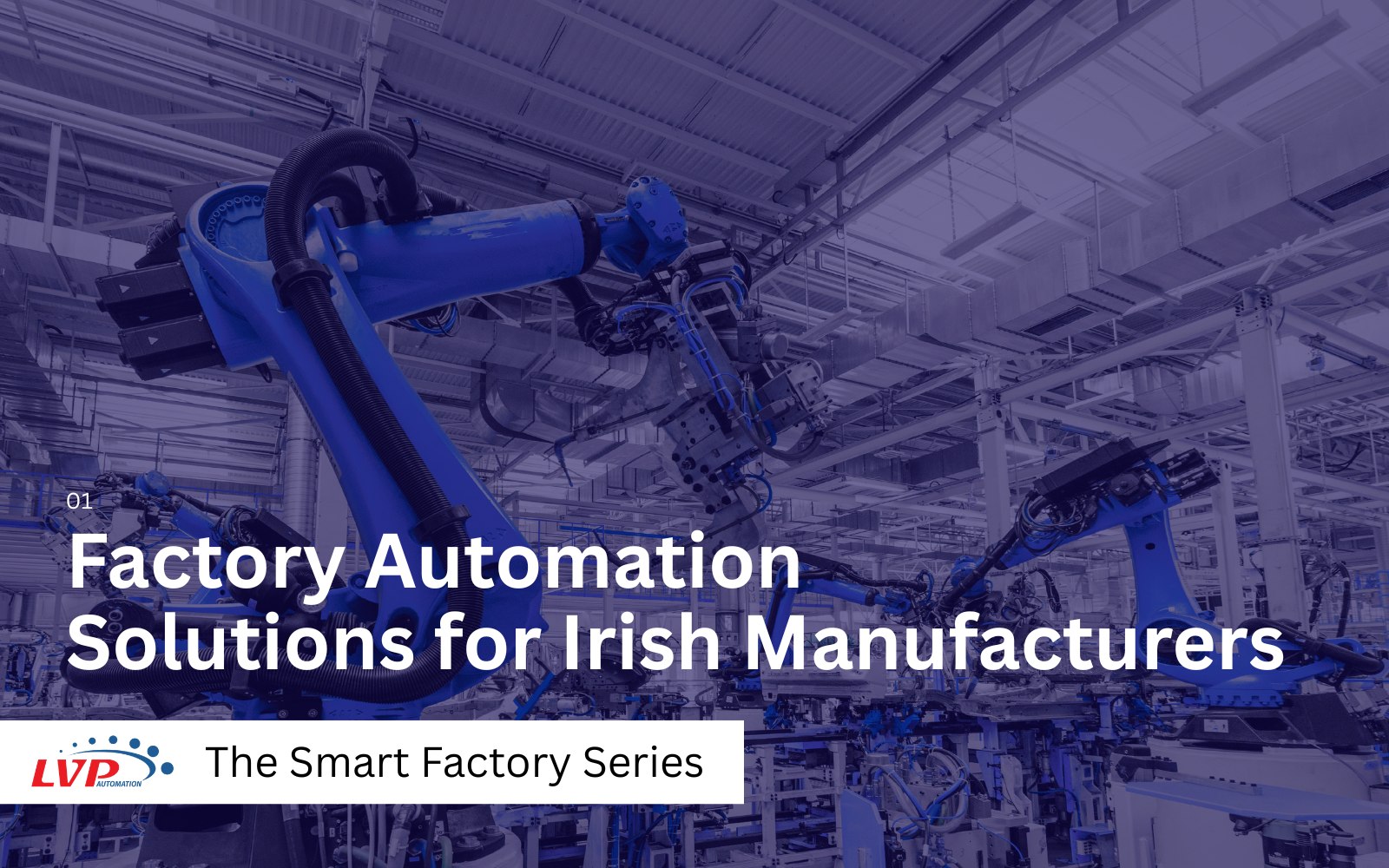
Factory automation is rapidly becoming essential for manufacturers across Ireland. Rising labour costs, skills shortages and increased production demands mean traditional manual processes are no longer sustainable.
Factory automation refers to the use of robotics, intelligent systems and software-controlled processes to perform manufacturing tasks that were previously done manually. These systems improve speed, consistency and safety across the factory floor.
What Is Factory Automation?
Factory automation involves integrating technologies that streamline production processes while reducing reliance on manual labour.
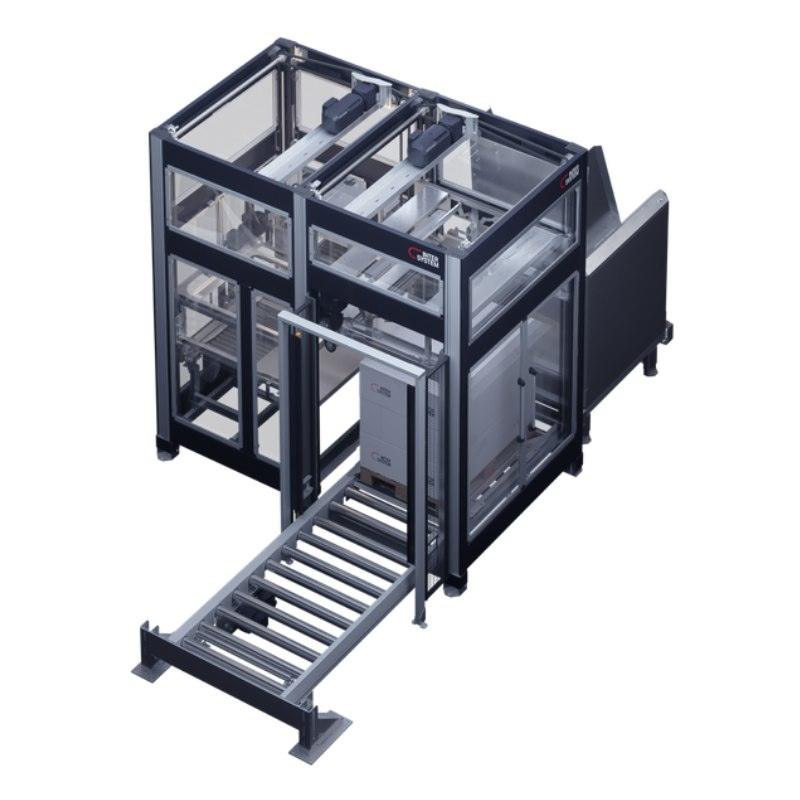
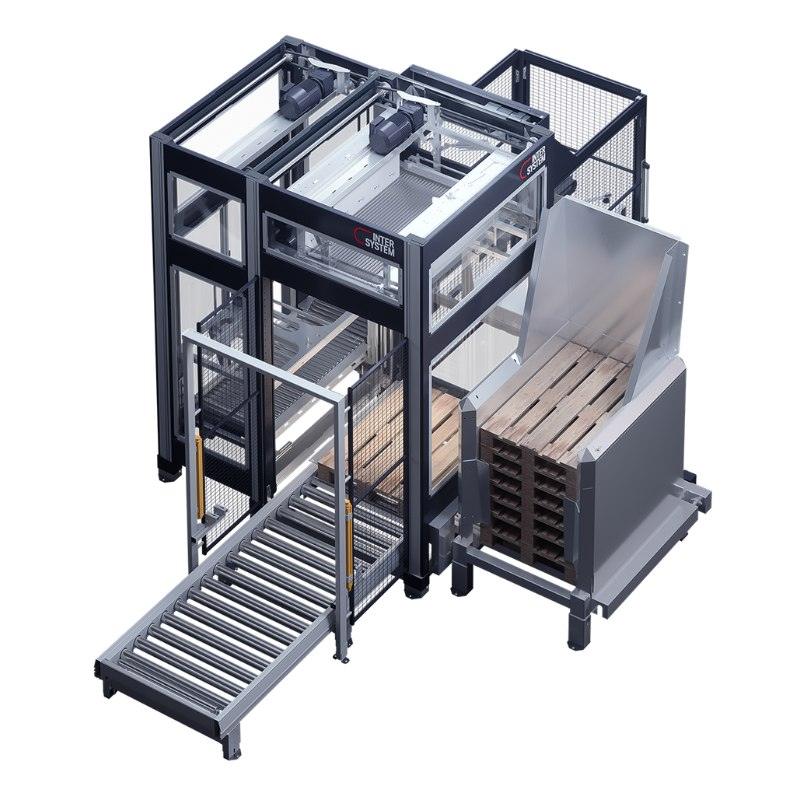
This includes systems such as automated palletising systems, robotic picking, autonomous transport and intelligent warehouse storage. When implemented correctly, automation creates a connected production environment that improves throughput and operational stability.
Why Irish Manufacturers Are Investing in Automation
Irish manufacturers are facing increasing pressure to produce more with fewer available resources.
Labour shortages, higher operating costs and growing customer expectations mean efficiency is critical. Many businesses are beginning with end-of-line palletising automation to remove bottlenecks and stabilise output before expanding into broader automation projects.
Automation also reduces health and safety risks associated with repetitive manual handling.
Key Factory Automation Solutions Used in Ireland
Modern automation goes beyond conveyors. Today’s manufacturing environments integrate multiple systems working together.
These include:
- automated palletising systems for consistent end-of-line stacking
- warehouse automation solutions to improve storage density and dispatch accuracy
- autonomous mobile robots for flexible internal material transport
- automated picking systems to improve fulfilment speed and reduce errors
When these systems operate together, manufacturers create a scalable and future-ready production environment.
Benefits of Factory Automation for Manufacturing Operations
Automation increases productivity by ensuring consistent performance across shifts. It reduces labour dependency and minimises production variability.
It also improves safety by removing repetitive lifting and manual transport tasks.
For businesses planning expansion, a structured factory automation strategy ensures systems can scale as production increases.
How Factory Automation Supports Long-Term Growth
Automation systems can be modular, allowing manufacturers to add capacity, expand production lines or integrate advanced warehouse technologies over time.
Investing in automation today provides a stable foundation for future growth and international competitiveness.
Why Choose LVP Automation for Factory Automation
At LVP Automation, we work with Irish manufacturers to assess production needs and design tailored automation systems.
From palletising and picking to robotics and warehouse integration, each system is engineered to support operational efficiency and long-term scalability.
Frequently Asked Questions About Factory Automation
What industries benefit most from factory automation?
Food and beverage, pharma, manufacturing and logistics operations all benefit.
Is factory automation suitable for smaller manufacturers?
Yes. Automation can be introduced in phases starting with high-impact areas.
How long does automation take to implement?
Timelines vary depending on complexity and integration requirements.