Gravity Roller Conveyors

LVP Automation’s extensive range of gravity roller conveyors offers versatile and economical solutions for diverse industries and applications. From the compact Mini Roller 100 Series, capable of handling items as small as 75mm, to the robust 900 Series that transports fully loaded pallets, this range meets a wide array of conveying requirements. Designed for easy integration, all units can be combined with LVP’s gravity and powered conveyor systems, providing flexible solutions for efficient material handling.

Range
100, 700, 900
Smallest product
From about 75 mm
Heaviest load
To full pallets
700 Series build
Formed steel frame
Gradient
2 to 5% fall
Series matched to your load and item sizeGradient tested on site or simulated

Gravity roller conveyors explained

Three series, one decision

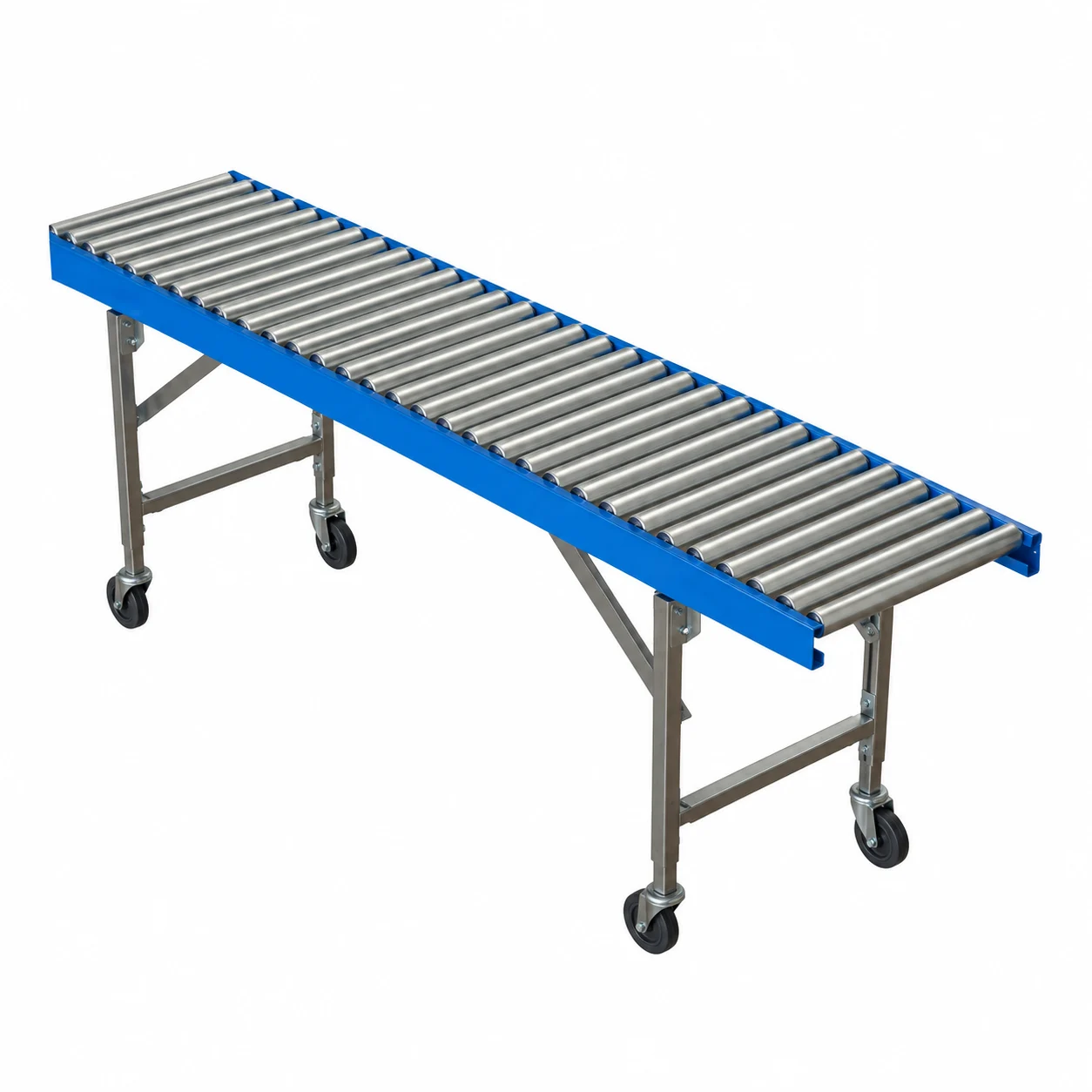
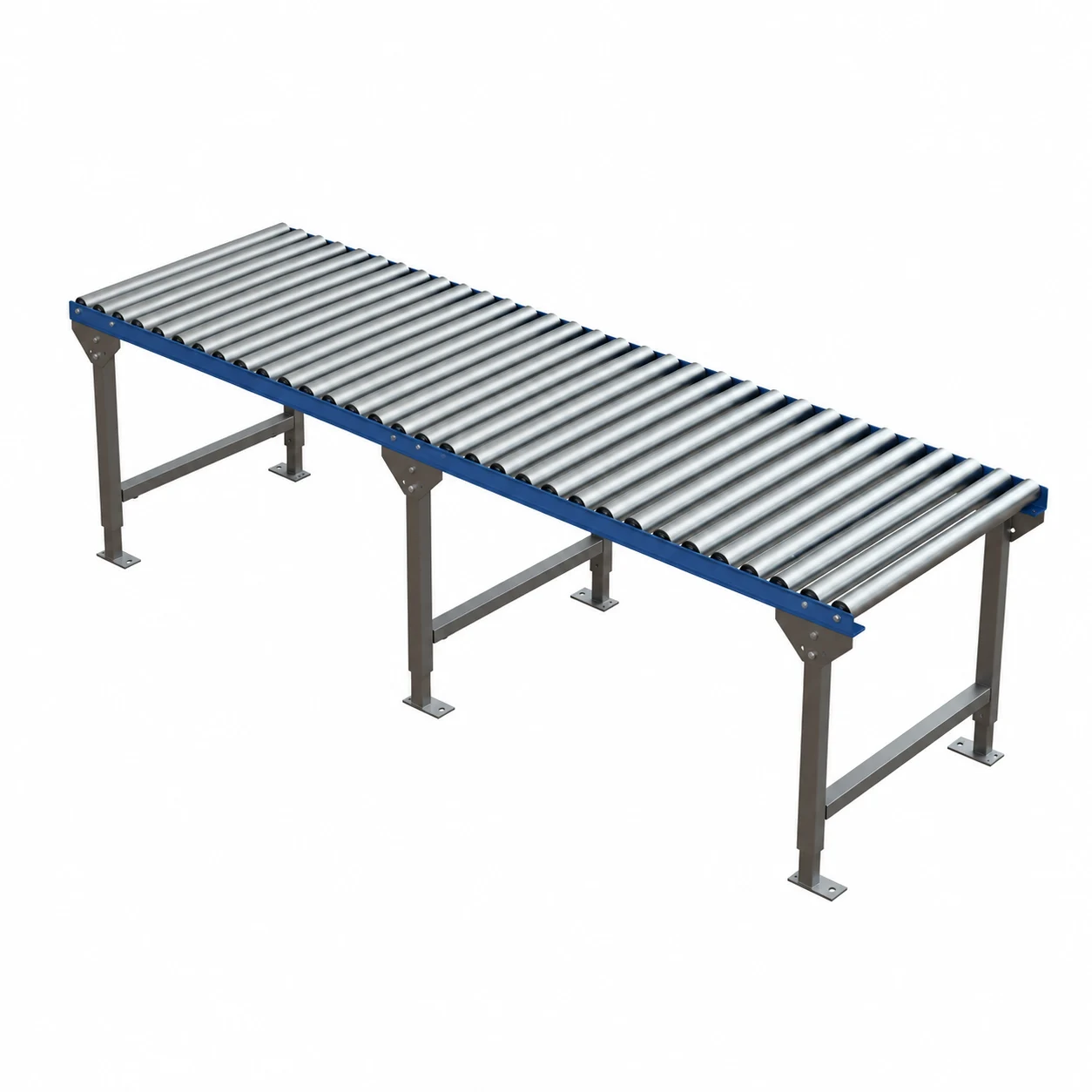
The range runs from the Mini Roller 100 Series through the 700 Series to the 900 Series, and the choice between them is made by two numbers: how small your smallest item is and how heavy your heaviest one is. The Mini Roller 100 Series handles product as short as about 75 mm when the roller pitch is specified correctly. The 900 Series is built to carry fully loaded pallets. The 700 Series sits in the middle and is the one most people end up with, on a formed steel side frame with spring-loaded rollers.

01

Why gravity at all

No motor, no drive, no inverter, no controls. Product moves because the run falls, which makes gravity the cheapest conveyor to buy, effectively free to run and close to free to maintain. It suits packing stations, accumulation buffers, manual sort areas and the in-feeds and out-feeds either side of labelling, vision, strapping and wrapping machines. The trade you accept is line pressure: boxes touch and push on each other. Where that is not acceptable, you need powered.

02

It has to fall, and the fall gets tested

A gravity run needs a gradient, typically 2 to 5 per cent, and where you land in that range depends on the product, its weight and the roller type. This is the number most worth getting right, because too little fall stalls product mid-run and too much delivers it faster than an operator can handle. We test on site or simulate the run to confirm the gradient rather than applying a default and hoping.

03

Roller pitch and the three-roller rule

At least three rollers should be under the product at all times, which means the pitch comes from your shortest item rather than your average one. That is why the Mini Roller 100 Series exists: a tight enough pitch that short items stay supported instead of dropping into the gaps. Cartons, totes, trays and pallet bases with flat, rigid undersides all run well. Very soft or irregular bottoms are the exception and need either a tighter pitch or a short belt section to carry them across.

04

Speedtrack, for layouts that are not straight lines

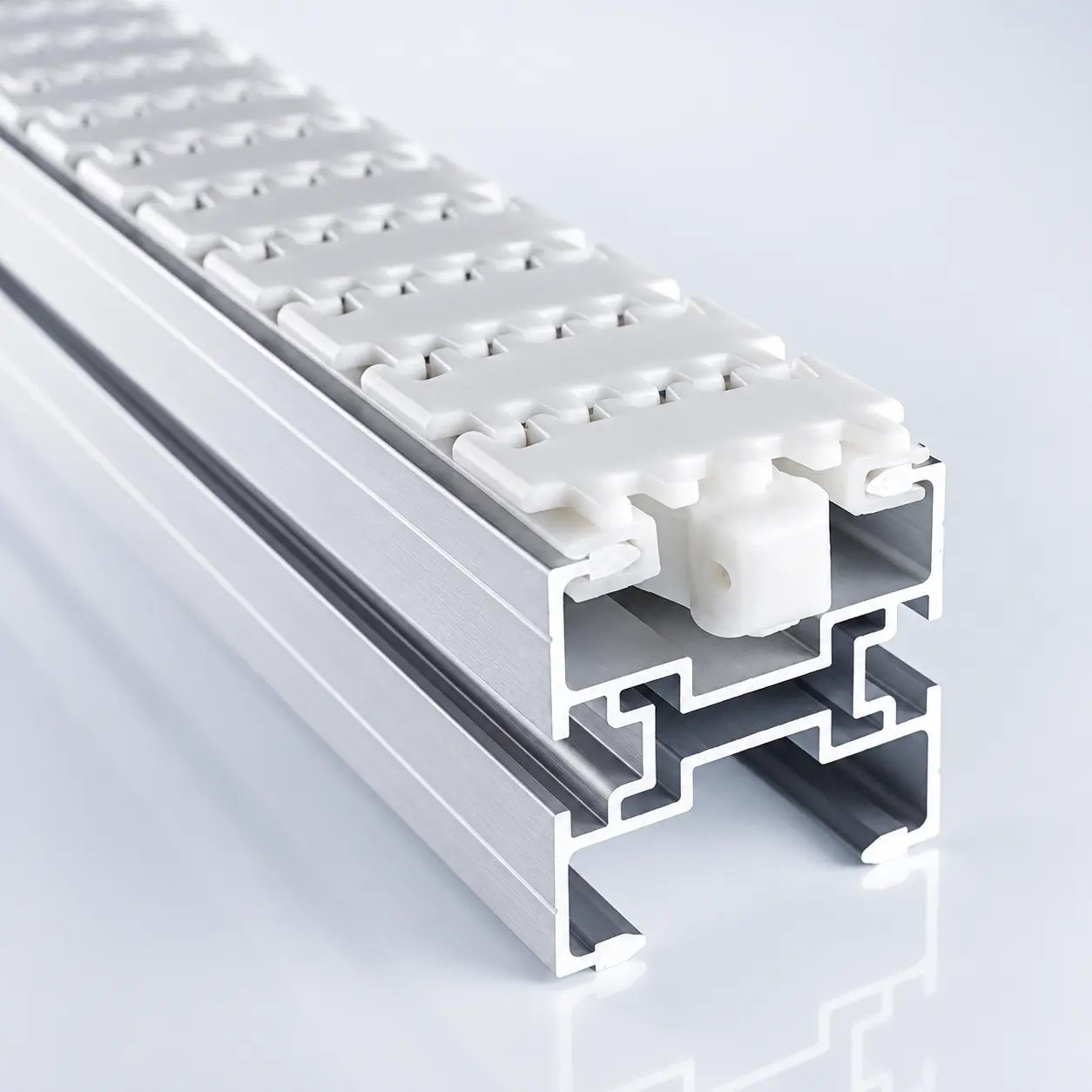
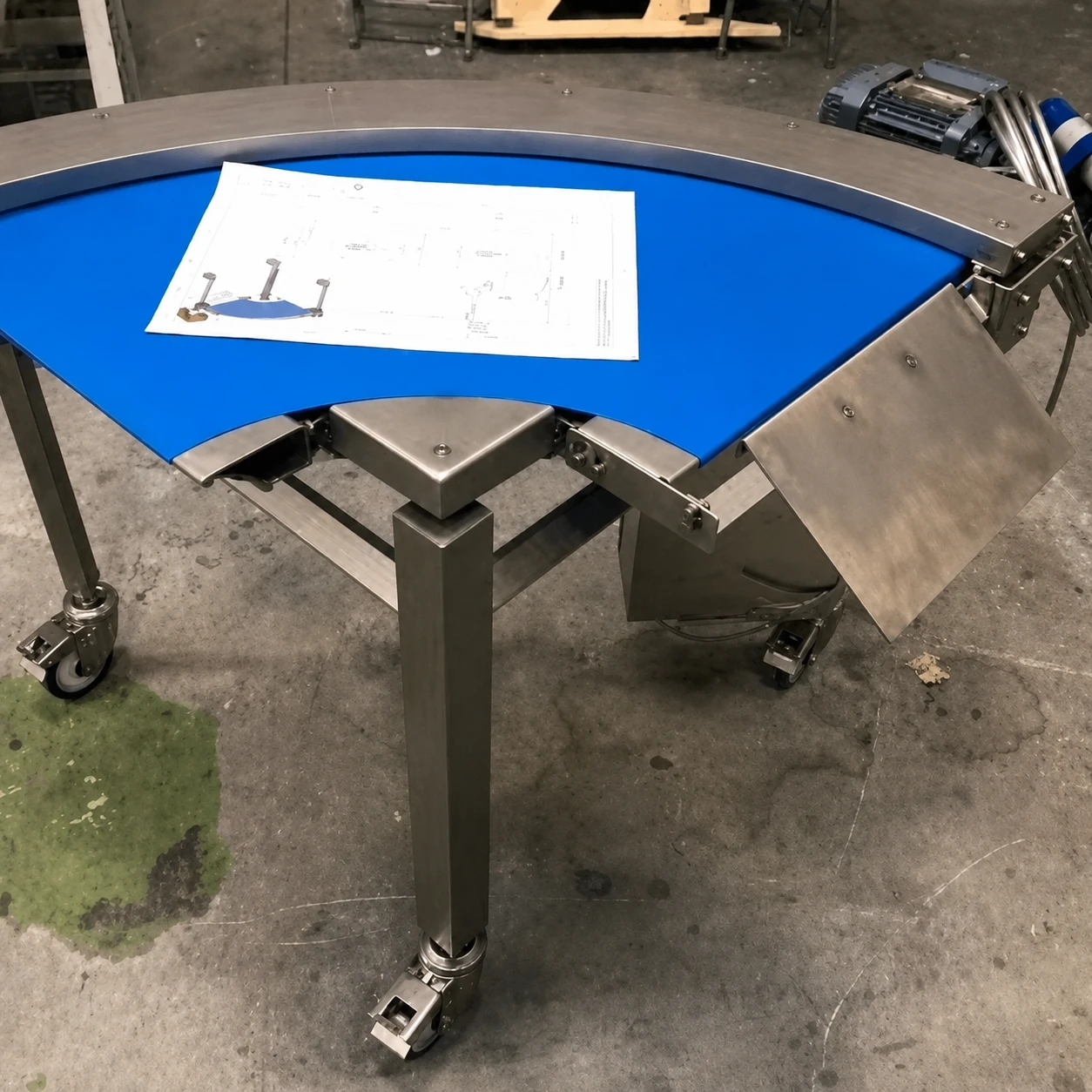
The Speedtrack modular system covers straight sections, bends, spiral bends, gates and merges, so a gravity line can follow the shape of the building rather than forcing the building to accommodate a straight run. Spiral bends are the useful one: they drop product through a level change in a small footprint, which is often the difference between gravity working in a space and not. Gates let people through the line without climbing over it, which sounds minor until you watch a picker do it forty times a shift.

05

Load, frames and hygiene

Roller diameter, wall thickness and side frame are sized to your load and support span rather than picked from a standard build. Side frames come in aluminium, stainless steel and other materials, so a hygienic or food-grade area gets stainless frames, rollers, bearings and finishes specified for the standard required. Worth raising at enquiry, because the standard build is not stainless.

06

Controlling product without powering the line

Brake rollers slow product at the discharge, side guides keep it tracking, and roller pitch itself changes how freely product runs. Between them you have more control than the absence of a motor suggests. What gravity cannot give you is exact spacing or timed release, so where the next machine needs product presented at a fixed interval, a short powered zone goes in at that point rather than powering the whole line.

07

Mixing gravity and powered

Most real layouts are hybrids. Gravity handles the stretches where product only has to travel, and powered handles the parts that need control. The range integrates with 24V motorised roller, lineshaft conveyor, belt and modular belt conveyors. If you need zero-pressure accumulation, precise speed control, long horizontal runs where no slope is available, or heavy throughput with complex merges and diverts, powered is the right answer and zero line pressure conveying is where to start.

Where else to look

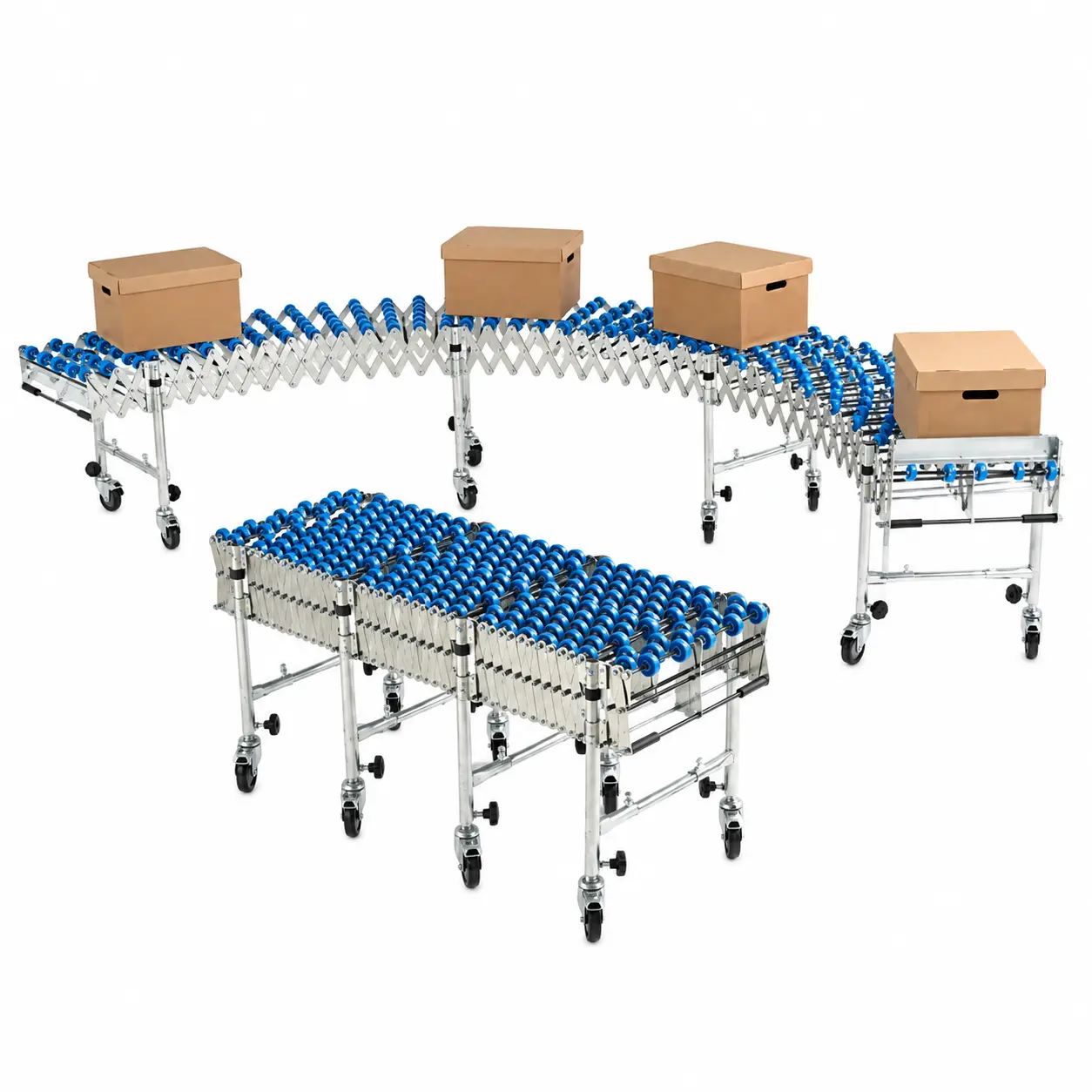
For small-product transfer lines with roller direction switchers for merging and branching, see very light duty conveyors. For a run that has to move around the building or fold away between jobs, flexible conveyors are the answer, and for loading containers and trailers use vehicle loading conveyors. Maintenance across the whole gravity range is periodic cleaning, a visual check of rollers and bearings, and confirming that gradients and stops are still set where they were commissioned. LVP Automation specify, supply and install these from Finglas, Dublin 11 as part of our wider automation services.

Specification

Range
Mini Roller 100 Series for small items, 700 Series general purpose, 900 Series for pallets
Smallest product
The Mini Roller 100 Series handles items as short as about 75 mm when roller pitch is specified correctly
Heaviest load
The 900 Series carries fully loaded pallets, with roller diameter, wall thickness and frame sized to load and span
700 Series build
Formed steel side frame with spring-loaded rollers
Gradient
Typically a 2 to 5 per cent fall depending on product, weight and roller type, tested on site or simulated
Layout
Speedtrack modules in straight sections, bends, spiral bends, merges and gates
Frames and rollers
Aluminium, stainless steel and other materials, for general, hygienic or food-grade areas
Products handled
Cartons, totes, trays and pallet bases with flat, rigid undersides
Speed control
Brake rollers, product guides and managed roller pitch, with a powered zone added where control must be exact
Integration
Integrates with LVP powered lines: 24V motorised roller, lineshaft, belt and modular belt

Where Gravity Roller Conveyors Excel

When to Choose Gravity

Use gravity where line pressure is acceptable and gradients allow free-rolling: packing stations, accumulation buffers, manual sort, and in/out feeds to labelling, vision, strappers and wrappers. Ideal for simple, low-energy movement with minimal controls.

Options and Configurations

Speedtrack modules in straights, bends, spiral bends, merges and gates; roller materials/diameters; pitches for small products; side guides, end stops, ball tables and turntables. Easy to pair with powered rollers for mixed zones.

Typical Applications

E-commerce and FMCG packing benches, manual order fulfilment, kitting lines, inspection lanes, pallet build areas and warehouse gravity chutes, plus hybrid lines combining gravity sections with powered drives.

FAQs about Gravity Roller Conveyors

Quick answers on load limits, product suitability, slopes, small-item handling, integration and maintenance.

What products run best on gravity rollers?

Cartons, totes, trays and pallet bases with flat, rigid undersides. Very soft or irregular bottoms may require tight roller pitch or a belt section.

How small can items be?

The Mini Roller 100 Series can handle items as short as ~75 mm when the roller pitch is specified correctly.

What loads can the range handle?

From light cartons to fully loaded pallets with the 900 Series. We’ll size roller diameter, wall thickness and frame to your load and span.

Do I need a slope for gravity flow?

Yes, typically 2 to 5% depending on product, weight and roller type. We test onsite or simulate to confirm the best gradient.

Can gravity sections integrate with powered conveyors?

Absolutely. Our systems are designed for seamless integration with LVP powered lines (MDR, lineshaft, belt, modular belt).

What about curves and special layouts?

Use our Speedtrack modules (bends, spiral bends, merges, gates) to build flexible layouts that fit your footprint.

Are gravity conveyors suitable for hygienic or food-grade areas?

Yes, specify stainless frames/rollers and appropriate bearings/finishes for the hygiene level required.

How do you control speed on gravity runs?

Options include speed controllers (brake rollers), product guides and managed pitches; for precise control, pair with powered zones.

What maintenance is required?

Periodic cleaning, visual checks of rollers/bearings, and ensuring gradients and stops remain correctly set. Very low upkeep.

When should I choose a powered conveyor instead?

If you need zero-pressure accumulation (ZPA), precise speed control, long horizontal runs without slope, or heavy throughput with complex merges/diverts, a powered solution (e.g., 24 V MDR or lineshaft) is better.

Similar Products

Let's Connect

Have a question about our conveyor systems or need a tailored automation solution for your business? Our team at LVP Automation is here to help. Fill out the form below with your details, and we’ll get back to you as soon as possible. Whether you need a quote, technical support, or more information on our products, we’re ready to assist.