Low-Infeed Palletiser – FLOW Series

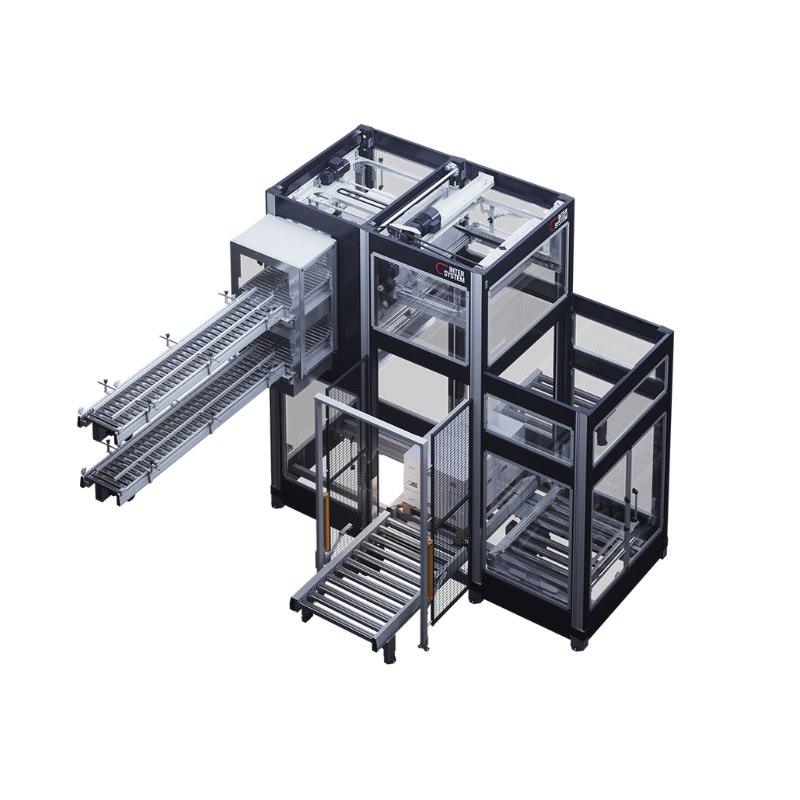
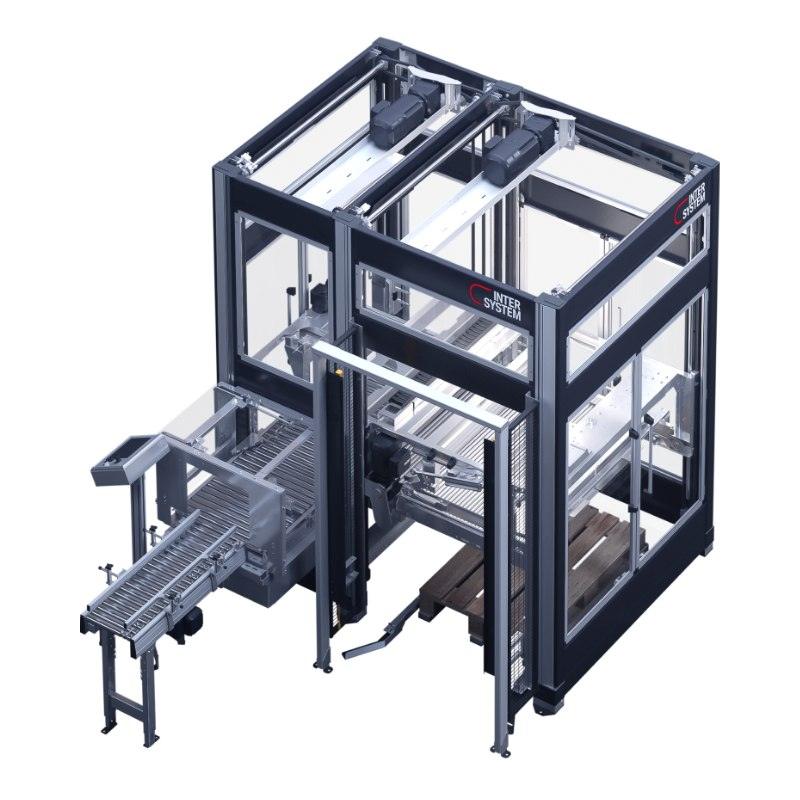
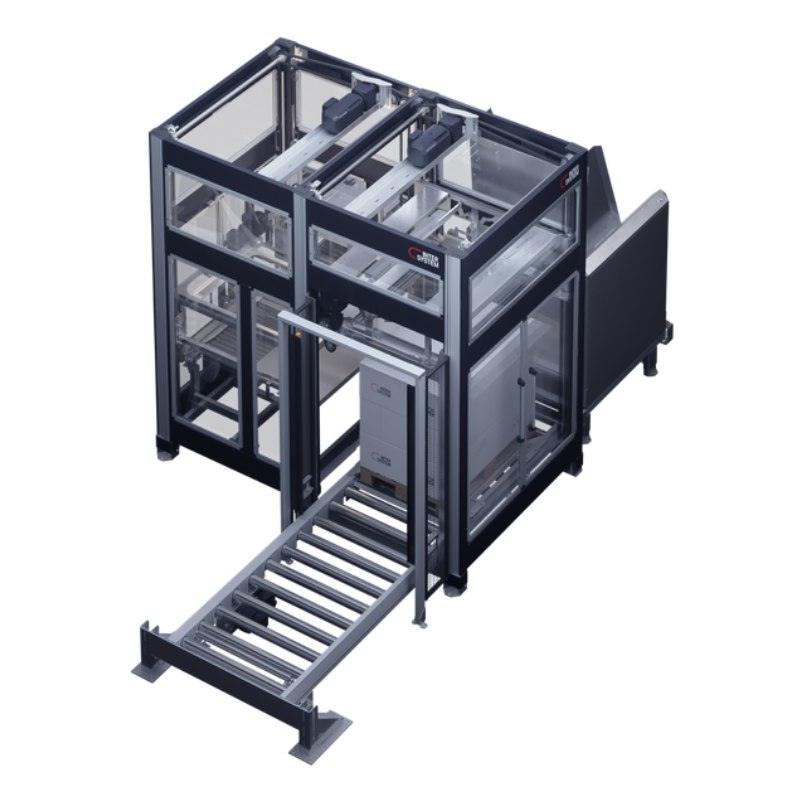
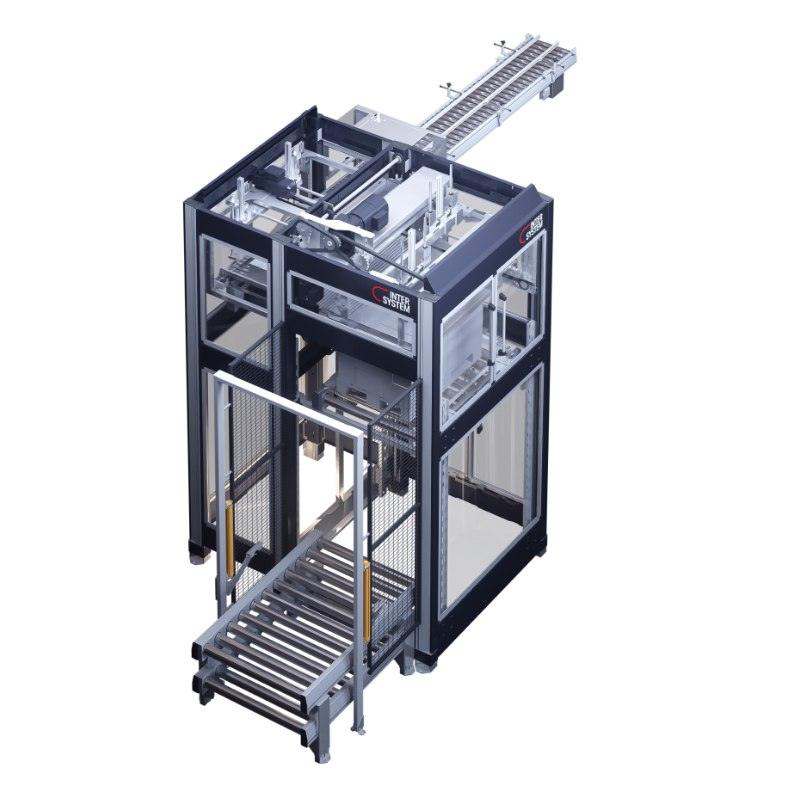
The InterSystem FLOW Palletiser delivers high-capacity palletising from a low infeed height. An integrated lifting unit transfers product from the infeed to the layer smoothly, keeping a continuous flow for fast, stable stacks with minimal downtime.

  • High capacity from a floor-level infeed
  • Lifting unit keeps product moving continuously
  • Compact layout, built left or right hand
  • Euro, CHEP and custom pallets with recipe-based patterns
Layout drawing agreed before you orderSpecified, installed and supported from Dublin 11
No mezzanine needed
High rates from a floor-level infeed
Continuous flow
Integrated lifting unit, not stop-start batches
Fits your line
Compact footprint, left or right hand build
Ireland-wide support
Specification, install and service from Dublin 11

Low-infeed palletising explained

Why a low infeed changes the project

Most high-capacity palletisers want product delivered at height, which means a mezzanine, a long incline, or steelwork through the roof. All three are expensive, all three eat floor space, and in a leased or height-restricted building one or more of them may simply not be allowed. The FLOW takes product at floor level and still runs at high-capacity rates, so the palletiser stops dictating what the rest of the building has to look like.

01

The lifting unit

An integrated lifting unit carries product from the infeed up to the layer, and it does it continuously rather than in stop-start batches. That is what lets a low infeed reach rates you would normally only get from a high one: product is never waiting at the bottom for the machine to come back for it. It also keeps control of the pack the whole way up, which matters for anything with soft edges or a partial fill.
02

Stack quality

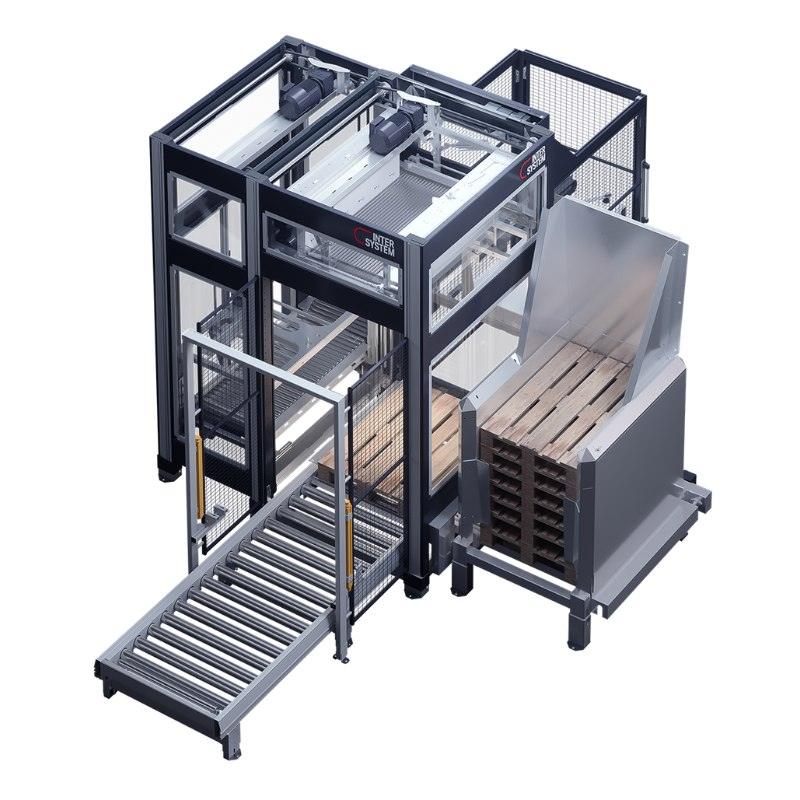
Controlled placement gives square, repeatable layers, and square layers are what make a pallet stable enough to move, wrap and stack without the load working loose. Euro, CHEP and custom pallet sizes run from recipes, with brick, pin-wheel and mixed patterns chosen at the HMI. Pattern selection is worth deciding against how the load actually travels, because it drives both stability and how much film the wrapper needs.

03

What it handles

Cases, trays, crates and many bagged goods. Tooling and motion profiles are matched to your packaging rather than the reverse, which is where most of the difference lies with delicate or inconsistent packs. Throughput is confirmed as cases per minute at design stage, once pack size and pattern are known, rather than promised as a headline number.

04

Footprint and handing

The layout is compact and can be built left or right hand, so the cell fits the line you already have instead of forcing a rebuild around it. We supply layout drawings during design to confirm clearances, pallet truck routes and operator access before anything is committed. On tight sites that drawing usually settles the question faster than any spec sheet.

06

Changeovers and options

Changeovers are recipe-based, so patterns, heights and timings adjust at the HMI in minutes rather than needing a fitter. Options include a pallet dispenser, slip and layer sheet placement, automatic outfeed, a stretch wrapper handshake, and barcode or label verification and vision checks on the finished load. The usual downstream pairing is pallet wrapping on that handshake, with print and apply labelling where the pallet needs a label before it moves.

Integration, maintenance and support

Standard PLC and HMI I/O or fieldbus connects upstream conveyors and downstream equipment, with WMS or MES links for counts, faults and OEE. Maintenance is routine inspection of drives, belts, sensors and the lifting unit, which is straightforward to schedule because those are the parts that wear. LVP Automation specifies, installs and supports palletising cells from Finglas, Dublin 11 as part of our wider automation services.

Where the FLOW Palletiser Excels

High-Speed, Low-Infeed Lines

Achieve top throughput at floor level—no lifts or long inclines upstream. Ideal for sites avoiding platforms or ceiling work.

Gentle Transfer, Better Stacks

The lifting unit maintains product control from infeed to layer, protecting packs and delivering square, stable pallets.

Scale & Integrate with Ease

Drop into existing ends-of-line, then add pallet dispensers, layer sheets, wrappers and print/apply as volumes grow.

FAQs about the FLOW Palletiser

Quick answers on capacity, products, layouts, changeovers and integration.

What’s different about the FLOW vs typical low-infeed palletisers?

Its dedicated lifting unit keeps product moving continuously from infeed to layer, reducing interruptions and boosting throughput.

What throughput can it achieve?

Rates depend on pack size/pattern; the FLOW is engineered for high-capacity duty. We confirm cases/min at design stage.

Which products can it handle?

Cases, trays, crates and many bagged goods. Tooling and motion profiles are matched to your packaging.

Does it support multiple pallet sizes and patterns?

Yes—recipes cover Euro/CHEP/custom pallets and common patterns (brick, pin-wheel, mixed).

How large is the footprint?

Compact and configurable (left/right hand). We’ll supply layout drawings to confirm clearances and operator access.

Can it integrate with my existing line?

Yes—standard PLC/HMI I/O or fieldbus to upstream conveyors and downstream stretch wrappers, label/marking and WMS/MES.

Is handling gentle enough for delicate packs?

The lifting unit and controlled placement protect product edges and improve stack integrity.

How easy are changeovers?

Recipe-based changeovers adjust patterns, heights and timings quickly via the HMI.

What options are available?

Pallet dispenser, slip/layer sheet placement, automatic outfeed, stretch wrapper handshake, barcode/label verification and vision checks.

What maintenance is required?

Routine inspection of drives, belts, sensors and the lifting unit; preventative schedules keep uptime high.

Similar Products

Let's Connect

Have a question about our conveyor systems or need a tailored automation solution for your business? Our team at LVP Automation is here to help. Fill out the form below with your details, and we’ll get back to you as soon as possible. Whether you need a quote, technical support, or more information on our products, we’re ready to assist.