Print and Apply Labellers

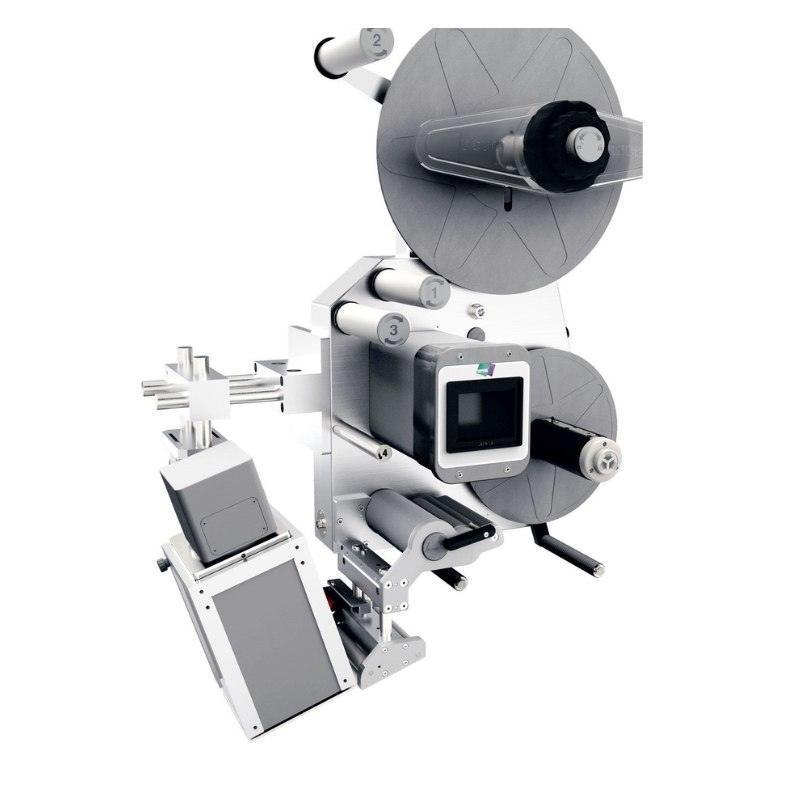
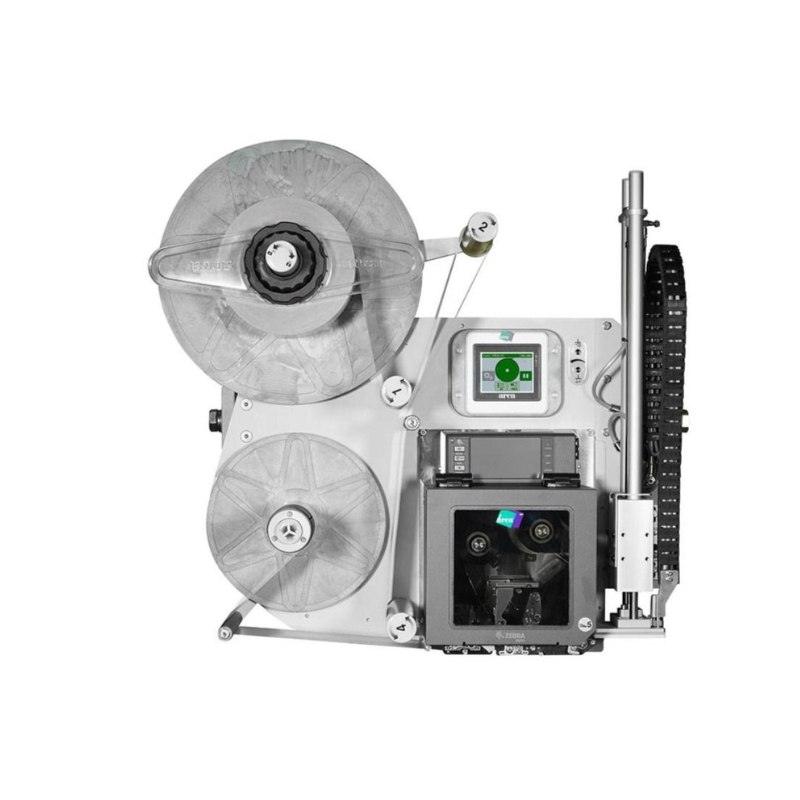
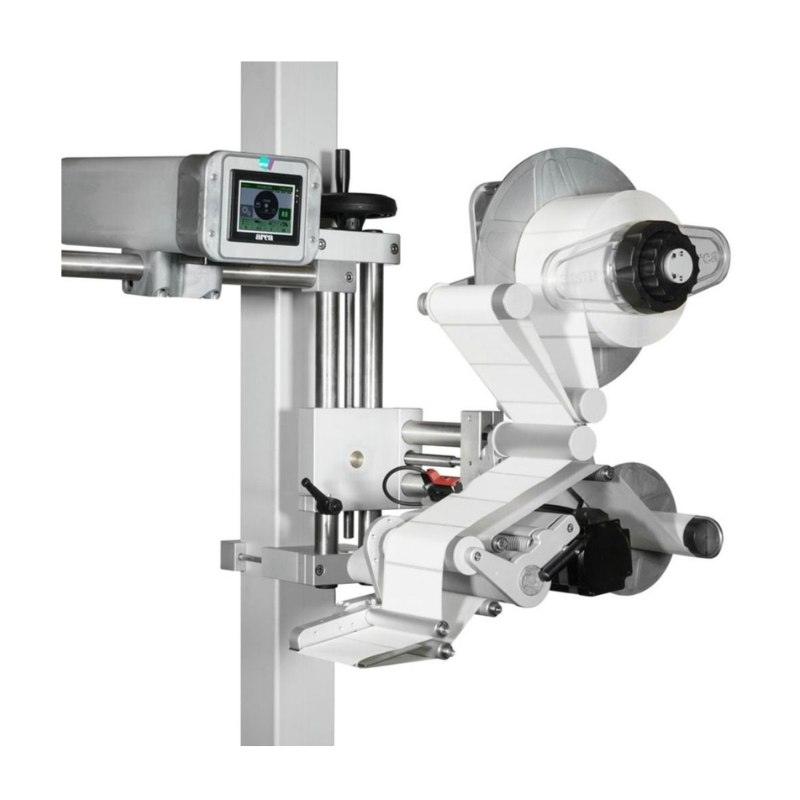
Arca’s industrial print-and-apply labellers offer versatile, high-resolution labelling solutions, including the innovative S Series with three distinct models. Equipped with cutting-edge linerless technology, these labellers are designed for precise application of data and images on products such as boxes and pallets. The system delivers high-contrast prints for optimal barcode readability, making it ideal for industries with stringent labelling requirements.

Print and apply models
Three models
EASYLINER print speed
152 mm/s, 203 dpi
LINERPLUS print speed
Up to 356 mm/s
LINERLESS print speed
254 mm/s
Print resolution
203 to 609 dpi
Label format proven at your line rateSpecified, installed and supported from Dublin 11
Up to 356 mm/s
LINERPLUS with a SATO print engine
Up to 609 dpi
203, 305 or 609 dpi print resolution
Linerless option
No liner waste and longer rolls
Ireland-wide support
Specification, install and service from Dublin 11

Print and apply labelling explained

Three models, and what separates them

The Arca S Series print and apply range is EASYLINER, LINERPLUS and LINERLESS, each also available as a 4.0 variant on the last two. EASYLINER prints at 152 mm/s at 203 dpi. LINERPLUS runs to 356 mm/s with a SATO engine or 305 mm/s with a ZEBRA, at 203, 305 or 609 dpi. LINERLESS prints at 254 mm/s across the same resolution options. Print speed and resolution pull against each other, so the sensible order is to fix the resolution your codes need first, then check the throughput that leaves you.

01

203, 305 or 609 dpi, and how to choose

Resolution is not a quality contest, it is a function of what is on the label. A standard GS1-128 case label with human readable text is comfortable at 203 dpi. Small 2D codes, fine print, tight artwork or anything a scanner will struggle with at the far end of a warehouse is where 305 or 609 dpi earns its place. Higher resolution slows the print, which is why the label design and the line rate have to be settled together rather than in sequence.
02

Linerless, and what it actually saves

Linerless labels have no backing liner. That removes the waste stream entirely, puts more label on the same roll diameter and so cuts changeovers, and takes the liner disposal cost out of the operation. On a high volume case line the extra roll length is the part that shows up in output, because every roll change is a stop. The trade is that the media path and the cutting have to be right for it, which is why LINERLESS is a specific machine rather than a setting.

03

Cases, totes and pallets are different jobs

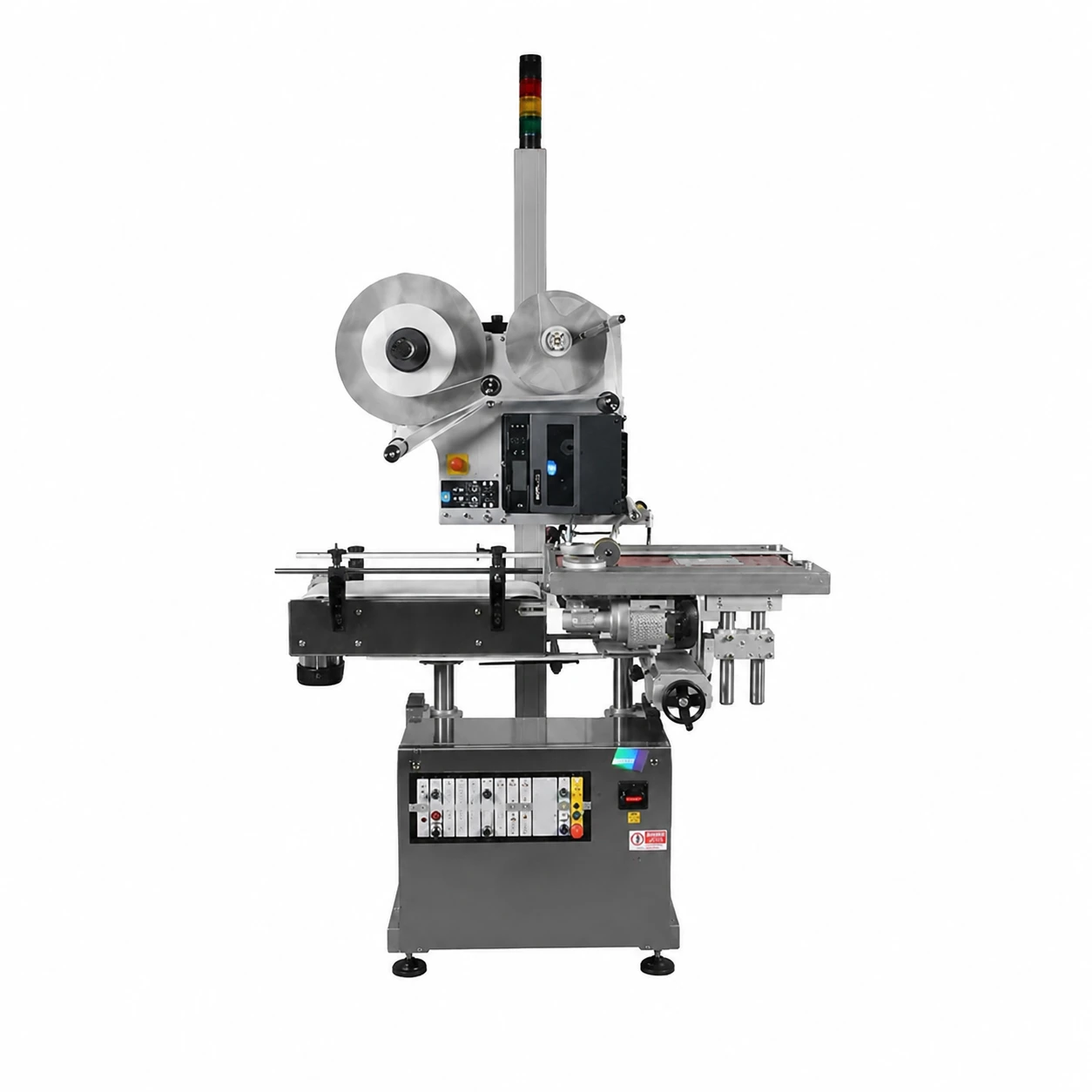
Corrugated cases, shrink wrapped trays, plastic totes and pallets all get labelled by this family, but they run at very different rates. Case lines commonly sit around 20 to 90 packs a minute, pallet applications around 2 to 6 pallets a minute. Applicators and label formats are sized to the packaging and the throughput, so bringing both numbers to the specification conversation saves a round of revisions.

04

Corner wrap and multi panel

Corner wrap, front and side A and B, and dual apply configurations are available for cases and pallets. This matters more than it sounds: a pallet with a single label on one face is only scannable from that face, and in a busy warehouse that means someone walking around the pallet. Two panel labelling is often the difference between a scan on the first attempt and a delay at every handover.

05

Codes and where the data comes from

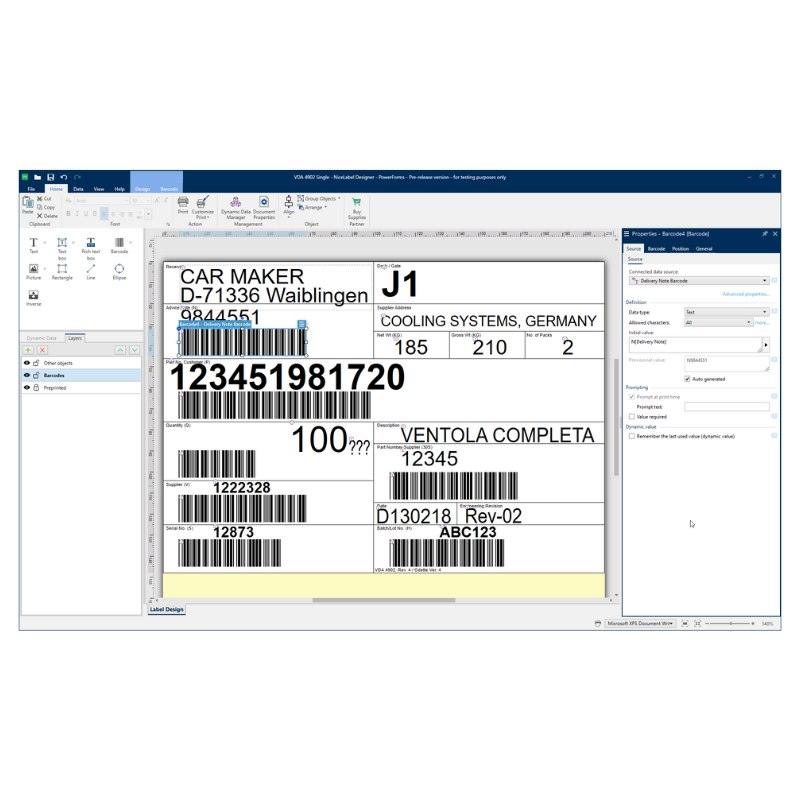
GS1 barcodes including ITF-14, EAN and UPC and GS1-128 are supported, along with SSCC pallet labels with the human readable fields they require. Print data comes from your WMS, ERP or MES over standard protocols, with PLC I/O for line interlocks and verification data captured back to your system. Templates and permissions are managed in labelling software.

06

Getting the label in the right place, and proving it

Encoders and product sensors synchronise print and apply timing against the moving product, which is what keeps placement repeatable at line speed. Optional vision or barcode verification confirms the label is present and the code is readable. On anything serialised, that check is what makes the record trustworthy rather than assumed.

Environment, changeover and maintenance

Enclosures, heaters and suitable media cover chilled or dusty areas, with stainless or sealed options where the environment demands it. Changeover is recipe selection on the HMI to set formats and barcodes, with quick media paths for roll changes. Maintenance is routine cleaning of printheads and rollers, periodic checks on applicator pads and sensors, and scheduled printhead replacement against duty cycle, which is the one consumable cost to plan for. Where the label needs no printing at all, apply only applicators are simpler and cheaper, and where the code goes on the product rather than a label, laser marking is the alternative. Full lines are covered under industrial labelling systems. LVP Automation specifies, installs and supports print and apply labellers from Finglas, Dublin 11 as part of our wider automation services.

Specification

Print and apply models
Arca EASYLINER, LINERPLUS and LINERLESS, with 4.0 variants of LINERPLUS and LINERLESS
EASYLINER print speed
152 mm/s, around 5.9 inches per second, at 203 dpi
LINERPLUS print speed
356 mm/s with a SATO engine or 305 mm/s with a ZEBRA engine
LINERLESS print speed
254 mm/s, around 10 inches per second
Print resolution
8, 12 or 24 dots per mm, which is 203, 305 or 609 dpi, on LINERPLUS and LINERLESS
Products labelled
Corrugated cases, shrink wrapped trays, plastic totes and pallets
Typical rates
Around 20 to 90 packs per minute on case lines and 2 to 6 pallets per minute on pallet applications
Applicator configurations
Corner wrap, front and side A and B, and dual apply for cases and pallets
Codes
GS1 barcodes including ITF-14, EAN, UPC and GS1-128, plus SSCC pallet labels with human readable fields
Integration
Print data from WMS, ERP or MES over standard protocols, PLC I/O for line interlocks, encoders and product sensors for timing

Where the Print and Apply Labeller Excels

Case & Tote Labelling

Apply GS1-compliant labels on moving cartons and totes with encoder tracking, ensuring readable codes and consistent placement at line speed.

Pallet Labelling

Dual-side (A/B) pallet labels with automatic height compensation, corner-wrap options and verify/re-apply logic for 100% readable SSCCs.

Linerless Cost Savings

Run linerless media to reduce waste, extend roll length and cut changeovers, lowering total consumable spend and downtime.

FAQs about the Print and Apply Labeller

Quick answers on speeds, media, placement, integration and compliance for industrial print and apply.

What products can a print and apply labeller handle?

Corrugated cases, shrink-wrapped trays, plastic totes and pallets. We size applicators and label formats to your packaging and throughput.

How fast can it run?

Depends on print density, label size and application method. Case lines commonly run 20–90 packs/min; pallet apps are typically 2–6 pallets/min.

What is linerless and why use it?

Linerless labels have no backing liner, reducing waste, extending roll length and cutting changeovers, lower cost and greener operation.

Can it print GS1 and SSCC labels?

Yes, supports GS1 barcodes (e.g., ITF-14, EAN/UPC, GS1-128) and SSCC pallet labels with required human-readable fields.

How is label placement kept accurate?

Encoders and product sensors synchronise print/apply timing; optional vision or scanners verify presence and barcode readability.

Do you offer corner-wrap and multi-panel labelling?

Yes, corner-wrap, front/side (A/B), and dual-apply configurations are available for cases and pallets.

What about harsh or cold environments?

We offer enclosures, heaters and media suited to chilled or dusty areas. Stainless or sealed options are available where needed.

How does it integrate with our systems?

Prints from WMS/ERP/MES via standard protocols; PLC I/O for line interlocks, with data capture/verification back to your system.

Are changeovers simple?

Yes, recipe selection on the HMI sets formats and barcodes; quick media paths speed roll changes.

What maintenance is required?

Routine cleaning of printheads/rollers, periodic checks on applicator pads and sensors, and scheduled printhead replacement per duty cycle.

Downloads

Similar Products

Let's Connect

Have a question about our conveyor systems or need a tailored automation solution for your business? Our team at LVP Automation is here to help. Fill out the form below with your details, and we’ll get back to you as soon as possible. Whether you need a quote, technical support, or more information on our products, we’re ready to assist.