Multi-Line Palletiser – MULTI Series

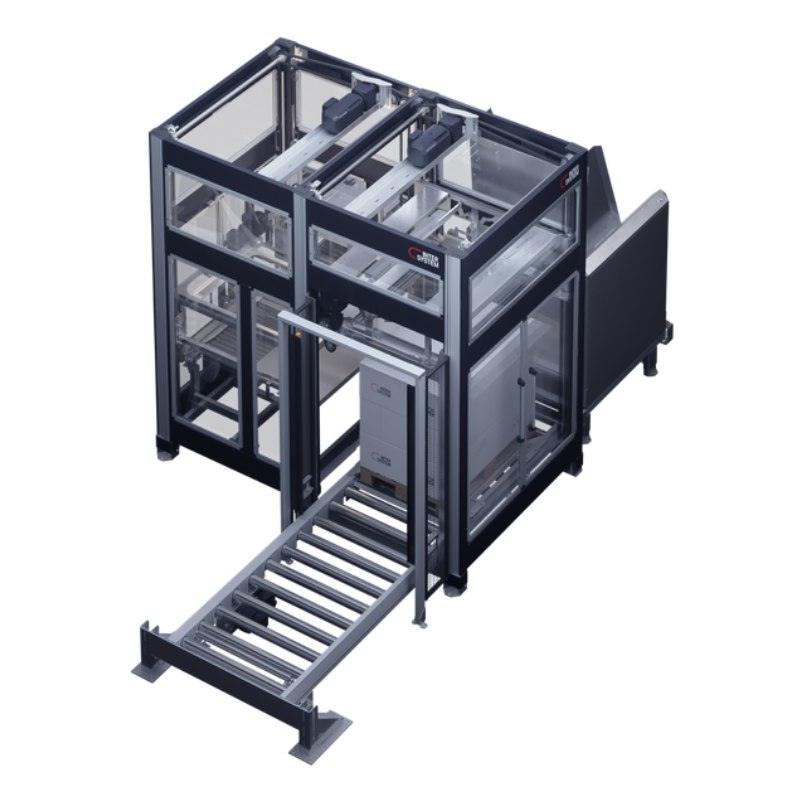
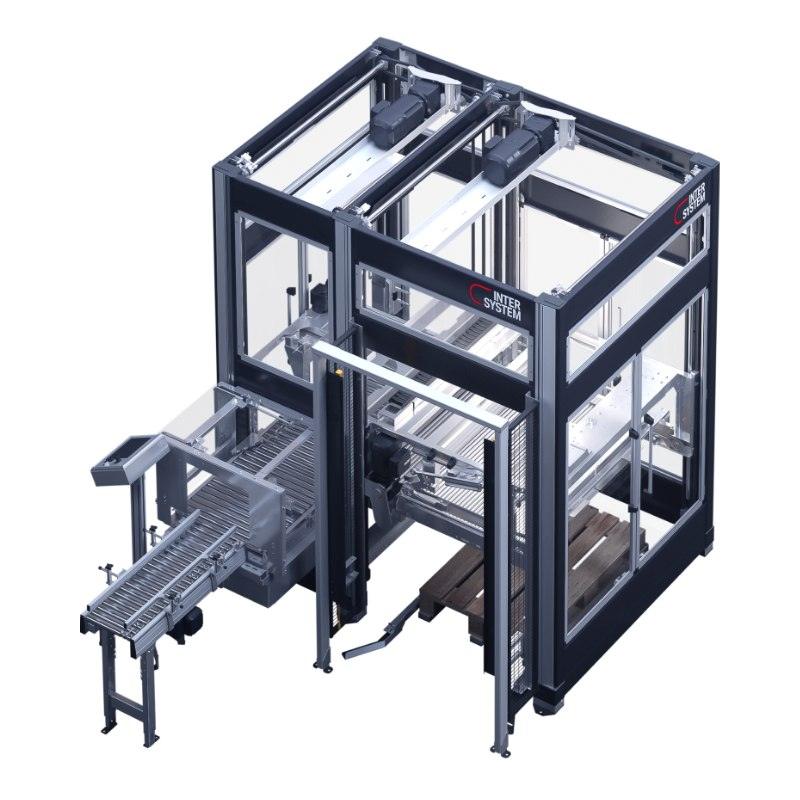
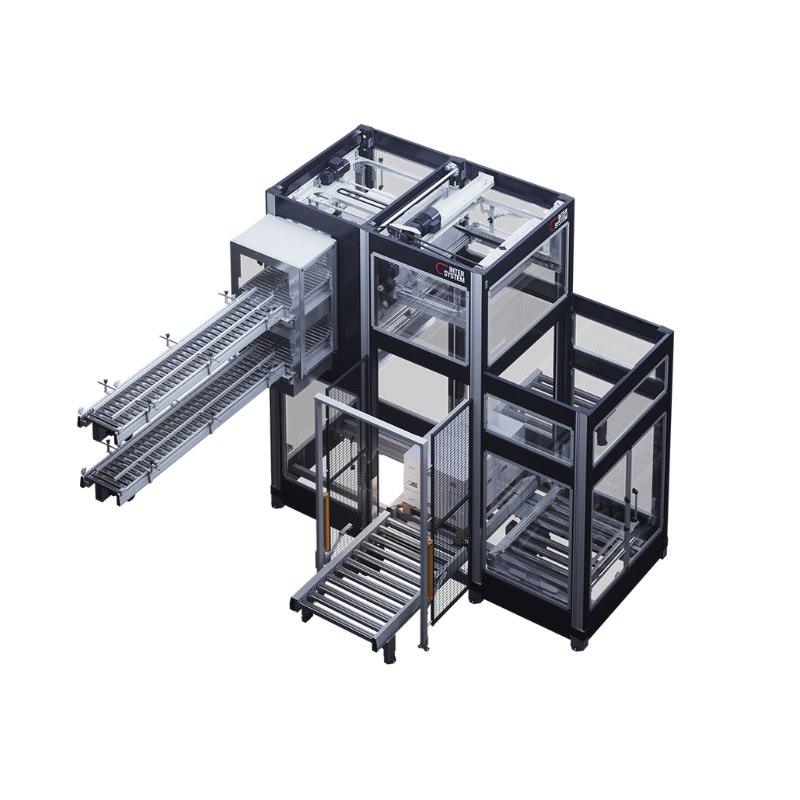
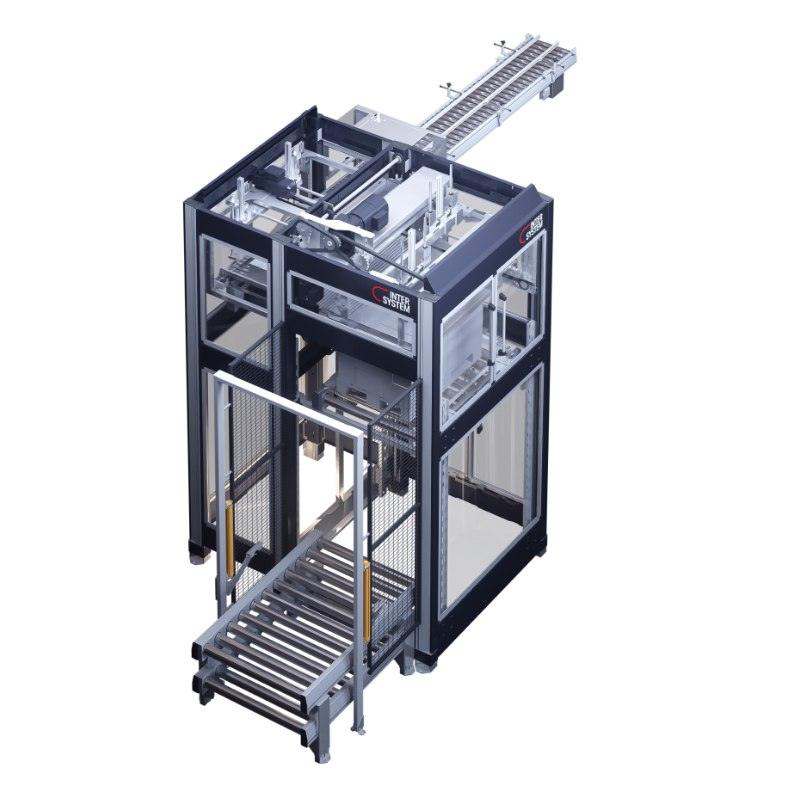
The MULTI Palletiser is engineered to handle two or three production lines simultaneously, providing a versatile, cost-effective solution for medium-capacity palletising. With an integrated pallet exchange system, the MULTI Palletiser ensures that the correct pallet is always precisely positioned for loading, enhancing efficiency and reducing downtime. Its space-saving, two-level design maximises floor space, making it ideal for facilities looking to optimise both productivity and layout.

  • Two or three packing lines into one palletising cell
  • Integrated pallet exchange keeps every line discharging
  • Two-level layout to protect floor space
  • Euro, CHEP and custom pallets with recipe-based patterns
Layout drawing agreed before you orderSpecified, installed and supported from Dublin 11
Two or three lines
One cell shared across your packing lines
No waiting for pallets
Pallet exchange stages the next pallet automatically
Compact by design
Two-level layout instead of two or three machines
Ireland-wide support
Specification, install and service from Dublin 11

Multi-line palletising explained

One cell instead of two or three

The usual route to palletising two or three packing lines is to buy two or three palletisers. That means separate guarding, separate controls, separate spares and separate operator training, plus three sets of floor space in a hall that rarely has it going spare. The MULTI takes the other route: one palletising cell fed by two or three lines, coordinating between them so every line keeps discharging. For medium-capacity operations that is often the difference between a project that pays back and one that sits on the capital list for another year.

01

Pallet exchange is the part that matters

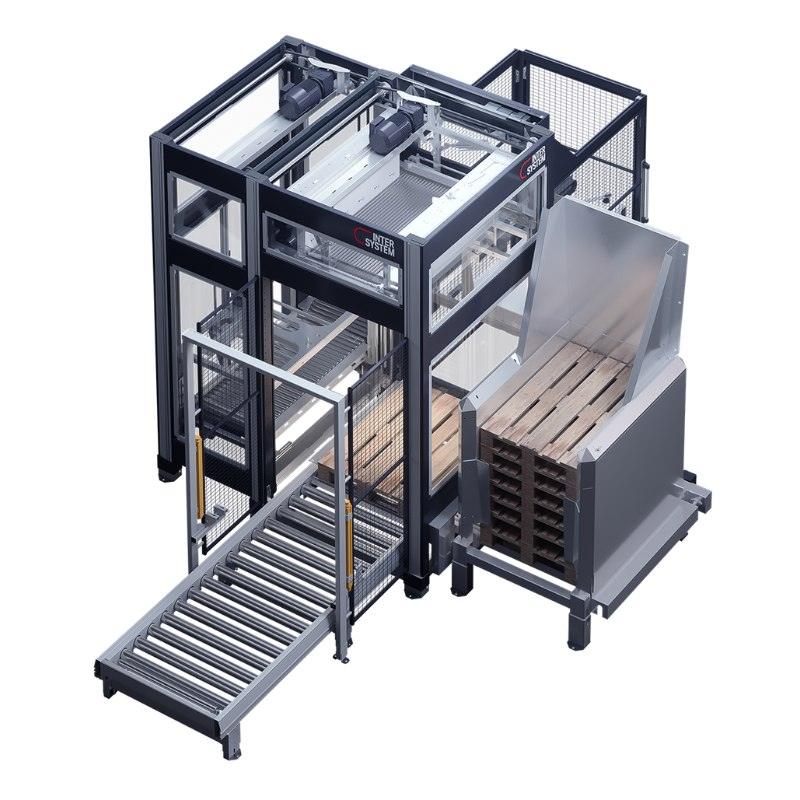
Sharing one cell between lines only works if the machine never has to stop and wait for a pallet. The integrated pallet exchange system stages and positions the correct pallet for the line that is currently building, and swaps completed pallets out while layer building carries on. Without that, a shared cell quietly becomes a shared bottleneck, and the lines behind it back up every time a pallet finishes.
02

Two levels, less floor

The MULTI uses a two-level layout, separating layer forming from pallet handling rather than spreading both across the floor. In most Irish plants the binding constraint is not capital but square metres, and a compact footprint is what makes a palletising project possible at all. We provide a layout drawing during design so clearances, pallet truck access and operator positions are agreed before anything is ordered.

03

Patterns and pallet types

Euro, CHEP and custom pallet sizes are handled through recipes, with brick, pin-wheel and mixed patterns selectable at the HMI. Pattern choice is not cosmetic: it decides how stable the load is in transit, how well it interlocks and how much film it takes to secure. Where loads travel long distances or get double-stacked, the pattern and the wrapping specification need to be settled together.

04

What it will palletise

Cases, trays, crates and many bagged goods. Tooling and motion profiles are matched to your packaging rather than the other way round, which matters most with light cases, part-filled bags and anything that will not tolerate being pushed. Throughput is confirmed as cases per minute per line during design, once pack sizes and patterns are known, rather than quoted as a headline figure that may not survive contact with your actual product.

05

Where it sits in the range

If one line needs high rates on its own, the high capacity palletiser is the better fit, and where product arrives in a continuous stream the FLOW palletiser suits that flow pattern. At lower volumes, or where an operator is already part of the process, the semi-automatic palletiser and the COMPACT automatic palletiser cover the same job at a smaller scale. Choosing between them is a question about line count, rate and space, and it is worth answering before the layout is drawn.

06

Changeovers and options

Changeovers are recipe-based, so patterns, heights and timings adjust in minutes, with tool-less mechanical guides where the format allows. Options include pallet dispensers, slip and layer sheet placement, automatic outfeed, a stretch wrapper handshake, and barcode or label verification and vision checks on the finished load. A completed pallet normally goes straight to pallet wrapping on the same handshake.

Controls, data and support

Standard PLC and HMI I/O or fieldbus connects the cell to conveyors and wrappers, with optional WMS or MES links for counts, faults and OEE so the palletiser reports rather than just runs. Expansion from two lines to three is possible in many cases where the original design allowed for it, which is worth raising at scoping even if the third line is years away. LVP Automation specifies, installs and supports palletising cells from Finglas, Dublin 11 as part of our wider automation services.

Where the MULTI Palletiser Excels

Consolidate Two–Three Lines

Replace multiple cells with one coordinated system. The pallet exchange module pre-positions pallets so each line keeps moving.

Save Space, Keep Throughput

A compact, two-level layout delivers strong rates without consuming valuable floor space—ideal for tight production halls.

Lower Total Cost

One cell to operate, maintain and staff. Shared guarding, controls and spares reduce CapEx and ongoing costs.

FAQs about the MULTI Palletiser

Answers on capacities, layouts, product types, changeovers, options and integration.

How many lines can the MULTI handle?

Two or three concurrent production lines, with coordinated pallet exchange to avoid stoppages.

What throughput can I expect?

Medium-capacity overall, sized to your pack sizes and patterns. We confirm cases/min per line during design.

Which products can it palletise?

Cases, trays, crates and many bagged goods. Tooling and motion profiles are matched to your packaging.

Does it support multiple pallet sizes/patterns?

Yes—recipes cover Euro/CHEP/custom pallets and brick, pin-wheel and mixed patterns selectable on the HMI.

How does the pallet exchange system work?

It stages and positions the correct pallet for the active line automatically, keeping layer building continuous while other pallets are swapped.

What footprint is required?

The two-level architecture is designed to be compact. We’ll provide a layout drawing to confirm clearances and operator access.

Can I expand from two to three lines later?

In many cases, yes—subject to initial design allowances. We can review upgrade paths during scoping.

How quick are changeovers between SKUs?

Recipe-based changeovers adjust patterns, heights and timings in minutes; mechanical guides are tool-less where possible.

What options are available?

Pallet dispensers, slip/layer sheet placement, automatic outfeed, stretch wrapper handshake, barcode/label verification and vision checks.

How does it integrate with upstream/downstream equipment?

Standard PLC/HMI I/O or fieldbus to conveyors and wrappers, plus optional WMS/MES links for counts, faults and OEE.

Similar Products

Let's Connect

Have a question about our conveyor systems or need a tailored automation solution for your business? Our team at LVP Automation is here to help. Fill out the form below with your details, and we’ll get back to you as soon as possible. Whether you need a quote, technical support, or more information on our products, we’re ready to assist.