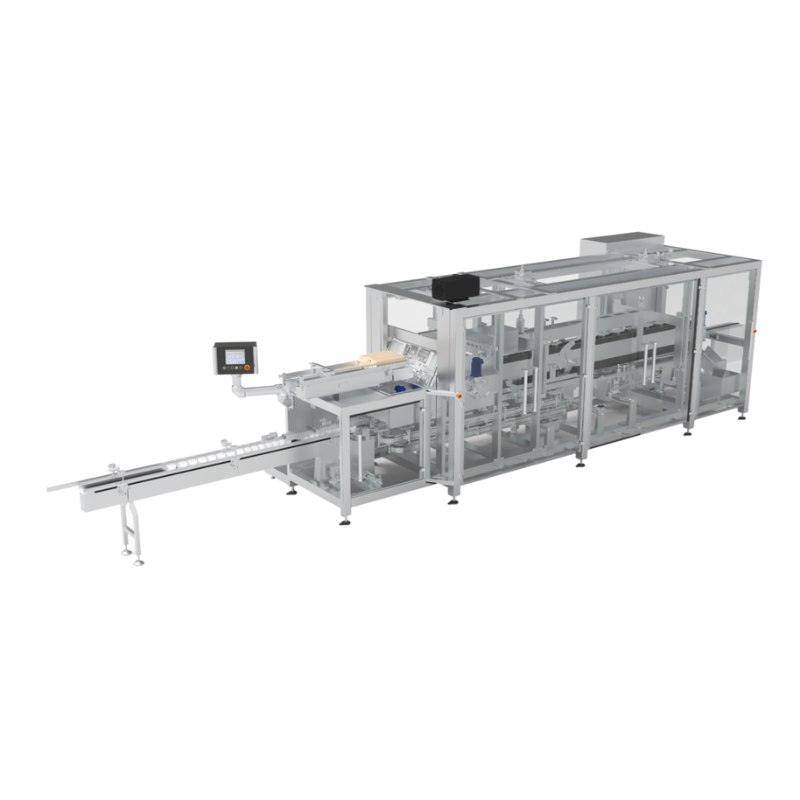
Sleeving Machines

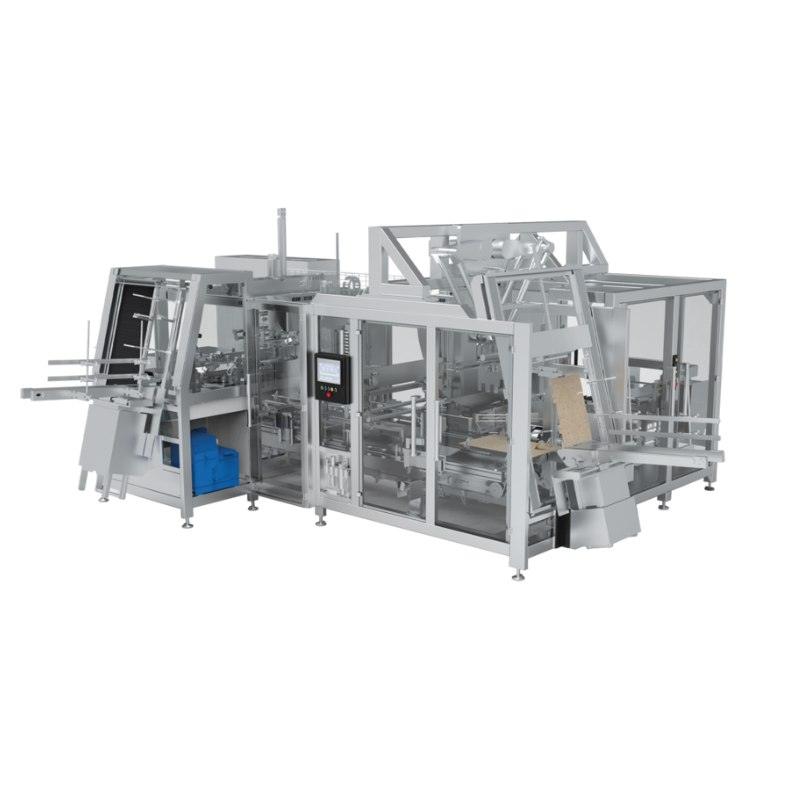
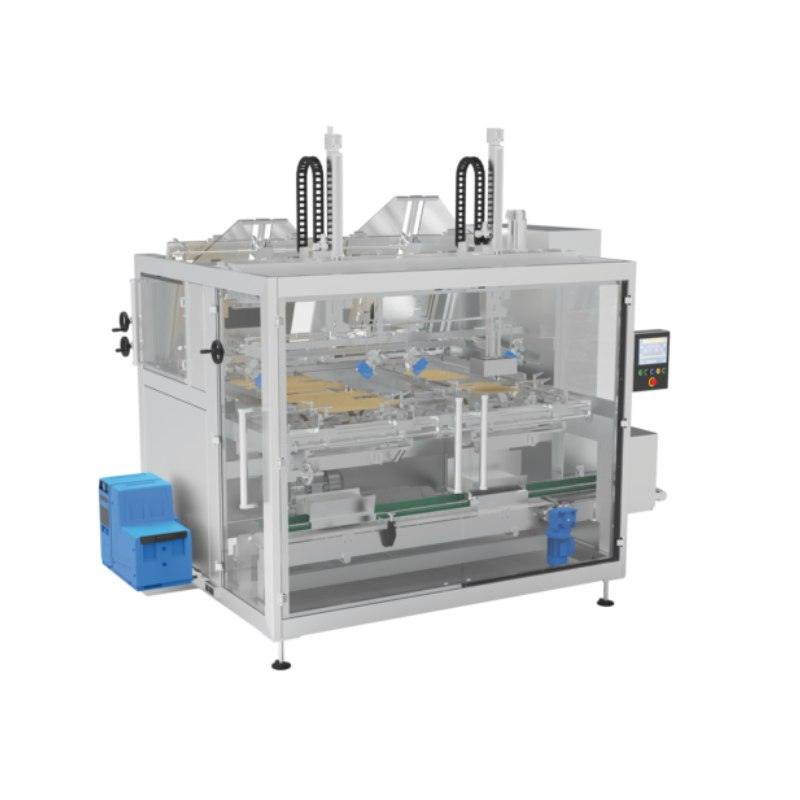
Our sleeving machines are designed for efficiently applying cardboard sleeves to both individual products, such as ready-meal trays, and grouped items like cups and cans. With options to secure sleeves using hot-melt glue or hooks, these machines provide reliable and adaptable packaging solutions. Available with multiple closure options, including bottom, side, and top closures, our sleeving machines offer flexibility to suit a wide range of packaging needs in food and beverage production and beyond.

Tray sleevers
SLV840, 1015, 1086
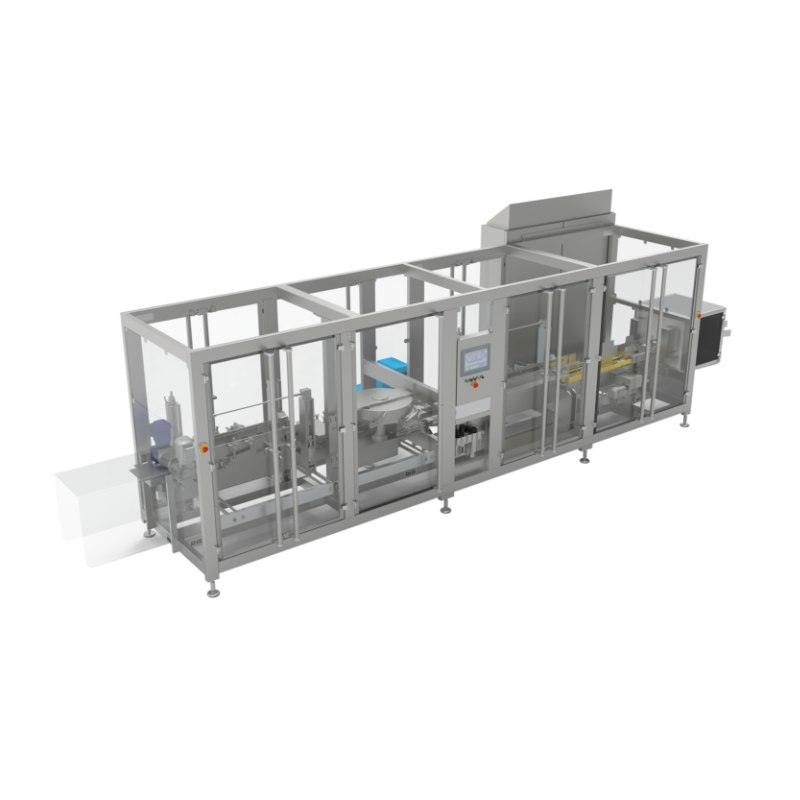
Pot and can sleevers
SLV70, 200, 956
Tray throughput
Up to 120/min
Pot and can throughput
Up to 250/min
Speed control
Electronically set
Rate checked against your pack formatSpecified, installed and supported from Dublin 11
Up to 250/min
On the pot, cup and can machines
Six models
Three for trays, three for pots and cans
Glue or hooks
Bottom, side or top closure
Ireland-wide support
Specification, install and service from Dublin 11

Sleeving machines explained

Two families, trays and pots

The Vimco range splits by what it sleeves. The SLV840, SLV1015 and SLV1086 handle trays and run to 120 pieces a minute. The SLV70, SLV200 and SLV956 handle pots, cups, bricks and cans and run to 250 pieces a minute. Product shape decides the family before throughput does, so the useful first question is what you are sleeving rather than how fast, because a tray machine will not become a pot machine at any price.

01

120 or 250 a minute, and which number matters

Speed is electronically adjustable up to a maximum of 250 sleeves a minute, so the machine can be set to the line rather than the line built around the machine. That is worth more than it sounds. A sleever running faster than the filler ahead of it just starves, and one running slower becomes the bottleneck for the whole line. Match it to the slowest upstream step and keep the headroom for when that step gets replaced.

02

Glue or hooks

Sleeves can be secured with hot melt glue or with hooks. Glue gives a permanent closed sleeve and a clean finish, at the cost of a consumable, a heated system and the maintenance that comes with it. Hooks are a mechanical interlock with no adhesive at all, which removes the consumable and lets the board separate cleanly at end of life. If waste and recycling reporting matter to your customers, hooks are worth pricing properly rather than dismissing as the cheaper option.

03

Bottom, side or top closure

The closure position decides where the join sits on the finished pack. Bottom closure hides it underneath and leaves the top and sides clean for artwork, which is usually what retail wants. Side and top closures suit packs where the underside is on display or where the sleeve has to be opened in a particular way. It is a presentation decision as much as a mechanical one, so bring the artwork to the specification conversation rather than after it.

04

Single product or grouped multipack

Sleevers do two different jobs. Applying a sleeve to a single product such as a ready meal tray or a dessert cup is a branding and information job. Grouping cups, bricks or cans into a multipack is a selling unit job, and the sleeve becomes the pack rather than a wrapper on it. The collation ahead of the machine is what makes grouped sleeving work, and it is usually the part that gets underestimated.

05

The sleeve is often the whole brand

On a ready meal or a yoghurt multipack, the sleeve carries all the print, so the primary pack underneath can stay plain. That is why sleeving suits ranges with many variants and frequent promotional changes: new artwork means a new sleeve, not new tooling, new film or a new primary pack. For short runs, seasonal packs and own label work under several brands, that is a genuine cost advantage rather than a marketing line.

06

Format changeover

All six machines are built for quick and easy format change. If you run several products a day, changeover time will decide your actual output far more than the headline speed does. Count the changeovers in a normal week, multiply by the time each one takes, and compare that number against the difference in cycle time between two machines before you decide which is faster in practice.

Where it sits in the line

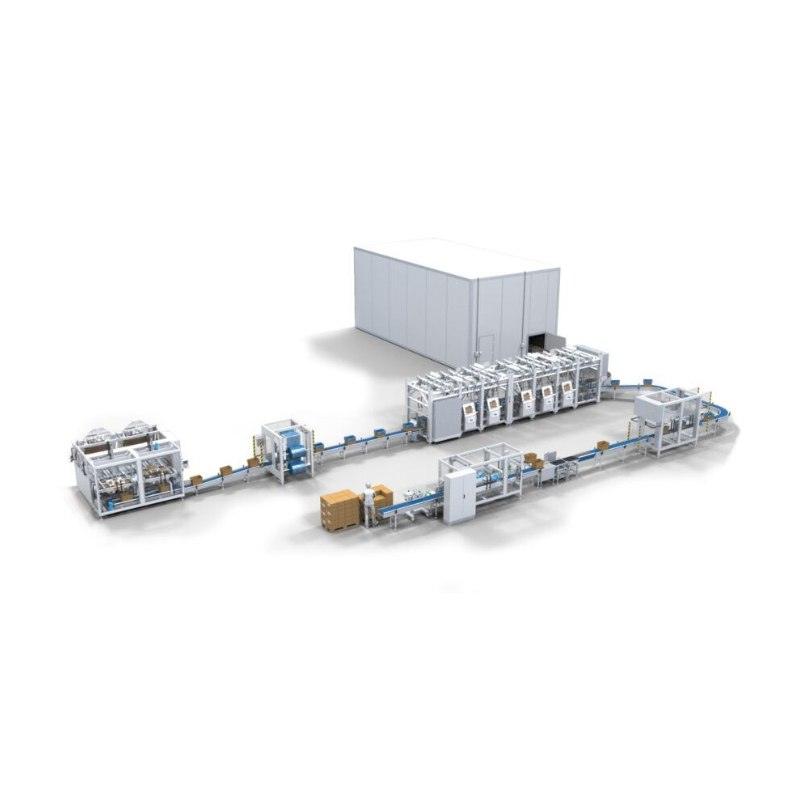
Sleeving usually follows filling and sealing, so it sits alongside forming and closing and lidding machines on tray lines, next to cartoning machines where the pack is a carton instead, and ahead of end of line machines for cases and pallets. It can all be specified together as a complete packaging line. LVP Automation specifies, installs and supports sleeving machines from Finglas, Dublin 11 as part of our wider automation services.

Specification

Tray sleevers
Vimco SLV840, SLV1015 and SLV1086
Pot and can sleevers
Vimco SLV70, SLV200 and SLV956
Tray throughput
Up to 120 pieces per minute
Pot and can throughput
Up to 250 pieces per minute
Speed control
Electronically adjustable up to 250 sleeves per minute
Closure methods
Hot melt glue or hooks
Closure positions
Bottom, side or top
Single products
Ready meal trays and dessert cups
Grouped products
Cups, bricks and cans
Changeover
Quick and easy format change

Where Sleeving Machines Excel

Premium Shelf Presentation

Tight, consistent sleeves elevate branding and on-pack information while keeping packs stable for retail display.

Flexible Formats & Fast Changeovers

Switch between single-item sleeves and multi-pack wraps quickly using recipe-driven adjustments and simple change parts.

Seamless Line Integration

Clean PLC/HMI handshakes to fillers, weighers, printers/label applicators and case packers, keeping throughput high with minimal disruption.

FAQs about Sleeving Machines

Quick answers on formats, closures, speeds, materials, changeovers and integration.

What products can be sleeved?

Ready-meal trays, tubs, cups, cans, bottles and grouped items. We size tooling and guides to your product dimensions and pack style.

Hot-melt vs hooks, how do I choose?

Hot-melt gives maximum speed and strong bonds; hooks suit glue-free, recyclable aims or when reopening is required.

Which closure types are available?

Bottom, side and top closures, chosen for pack geometry, display preference and line flow.

How fast can a sleeving machine run?

Throughput depends on product size and sleeve style. We size the machine to your target packs per minute and presentation quality.

Are changeovers quick?

Yes, recipe recall with simple guide/pad swaps minimises downtime between SKUs and pack counts.

What sleeve materials are supported?

Typically cartonboard (including recycled/PEFC/FSC options). We validate thickness, crease quality and closure method for your line speed.

Can sleeves be printed or windowed?

Yes, printed sleeves, cut-outs and windows are supported; we’ll confirm handling and stability at speed.

How does the unit integrate with my line?

PLC/HMI I/O or fieldbus to upstream fillers/weighers and downstream printers, vision, checkweighers and case packers.

What quality checks are available?

Presence/position sensors and optional vision to verify sleeve fit, artwork orientation and code/date placement, with reject logic.

What maintenance is required?

Routine cleaning and checks on feeders, guides and adhesive or hook mechanisms; preventative servicing keeps uptime high.

Downloads

Similar Products

Let's Connect

Have a question about our conveyor systems or need a tailored automation solution for your business? Our team at LVP Automation is here to help. Fill out the form below with your details, and we’ll get back to you as soon as possible. Whether you need a quote, technical support, or more information on our products, we’re ready to assist.