Closing and Lidding Machines

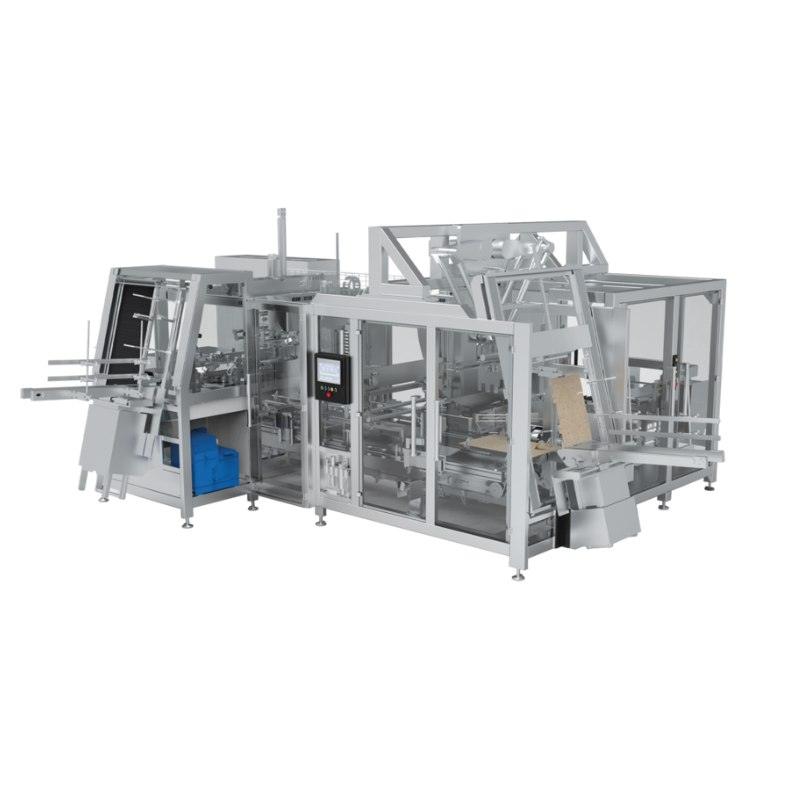
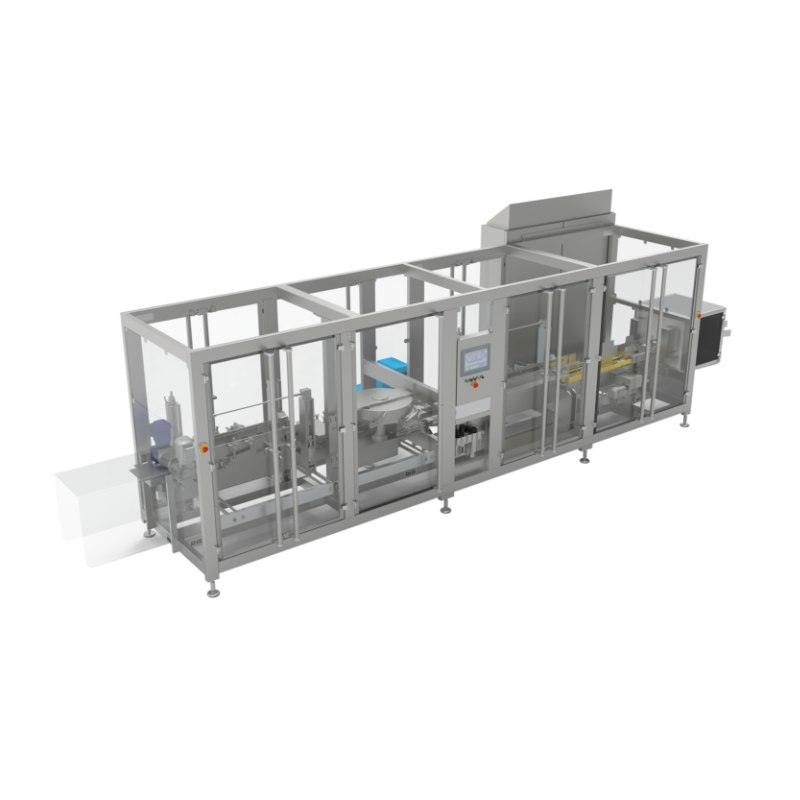
Designed for efficient and adaptable packaging, these closing and lidding machines provide versatile solutions for sealing boxes with either 1-flap or 3-flap lids. Available in both linear models for high-speed applications and angular models for complex closure needs, these machines ensure secure sealing with options for hot-melt glue or interlocking systems. With adjustable speeds reaching up to 200 boxes per minute, they are well-suited for dynamic, high-demand production environments.

Closing machines, linear
CH998 and CH1003
Closing machine, angular
CH890, angular
Closing throughput
Up to 200/min
Lidding machines
VLM100 and LM100
Lidding throughput
Up to 40/min
Machine matched to your box and lid typeSpecified, installed and supported from Dublin 11
Up to 200/min
Electronically adjustable on the closers
Five models
Three closing machines, two lidding machines
One or three flap
Linear or angular closing layouts
Ireland-wide support
Specification, install and service from Dublin 11

Closing and lidding machines explained

Two different machines under one heading

A closing machine folds and seals the box using its own flaps. A lidding machine places a separate cardboard lid onto a tray or display box and glues it down. They solve different problems and run at very different rates, so comparing 200 boxes a minute on a closer with 40 on a lidder is not a like for like comparison. Work out which operation your pack actually needs before you look at any speed at all.

01

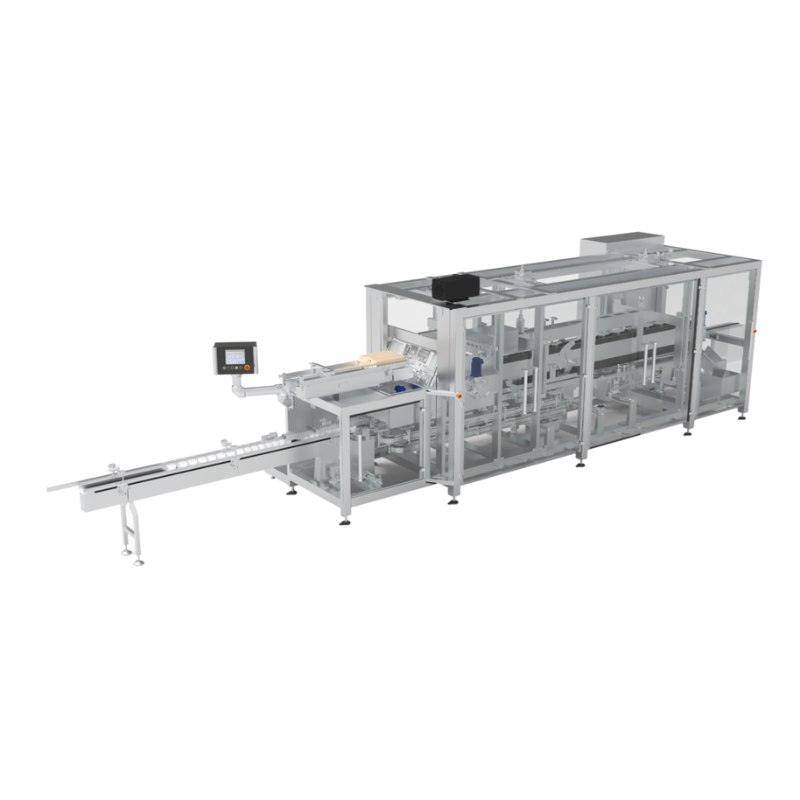
CH998 and CH1003: linear closing

Both are linear machines running to 200 boxes a minute, with the CH1003 as the high speed variant of the pair. Linear means the box travels in a straight line through the machine, which keeps the footprint narrow and the integration simple: it drops into a straight run of conveyor without a turn. The CH998 is specified for one flap lids, which covers most standard closing work.

02

CH890: angular closing for three flap lids

The CH890 is the angular machine and handles three flap lids, also to 200 boxes a minute. Angular means the box changes direction inside the machine, which is what allows the extra flaps to be worked, and it also gives you a layout option where a straight run will not fit. If your building forces a turn at that point in the line, the angular machine turns a constraint into part of the process.

03

Speed is set, not fixed

All three closers are electronically adjustable up to their 200 a minute maximum. That matters more than the headline figure, because the machine gets set to whatever is feeding it rather than the line being designed around one number. Buy the rate you need with headroom for the upstream step you will replace in three years, then run it at whatever today's filler can actually sustain.

04

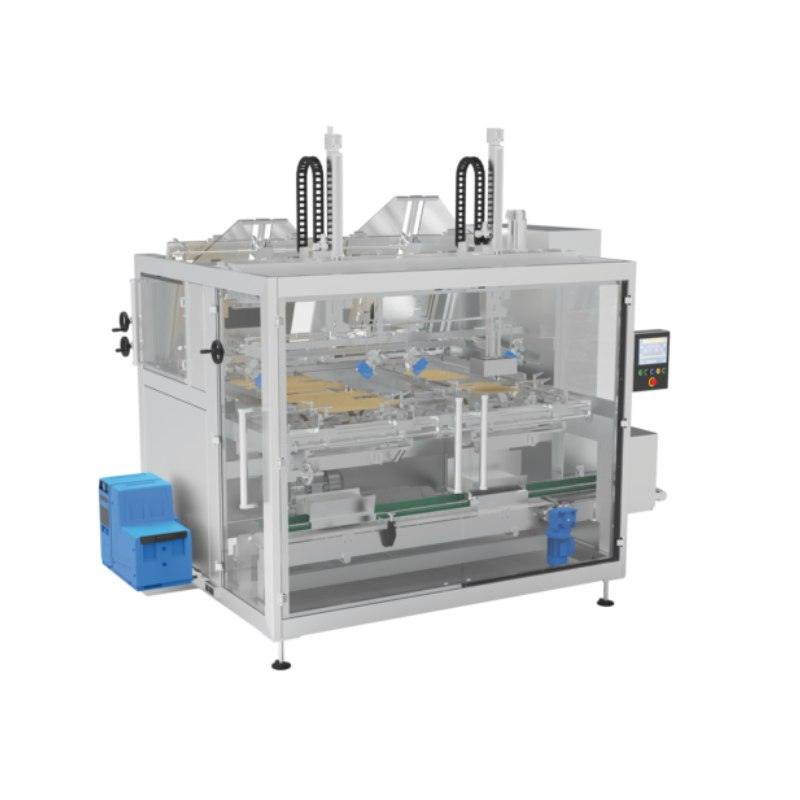
VLM100 and LM100: lidding trays and display boxes

Both machines position and glue cardboard lids onto trays or display boxes. The VLM100 is the vertical lift version and runs to 20 boxes a minute on a single head. The LM100 is the standard automatic at 18. The difference between them is small on paper, so the choice usually comes down to the layout and how the tray presents to the machine rather than the two boxes a minute.

05

Single head or dual head

Both lidders are available with a dual head, taking output to 40 boxes a minute. That is close to double, and it is almost always cheaper than a second machine and a second footprint. If your volume is anywhere near 20 a minute today, price the dual head now rather than discovering you need it after the line is installed and the floor space is gone.

06

Glue or interlocking closure

The closing machines work with hot melt glue or an interlocking system. On display boxes and shelf ready packaging the lid is often the printed face the customer sees, so a clean closure with no visible adhesive line matters more here than it does on a transit case. Interlocking also leaves the board free of adhesive, which makes flattening and recycling simpler at the retail end.

Where it sits in the line

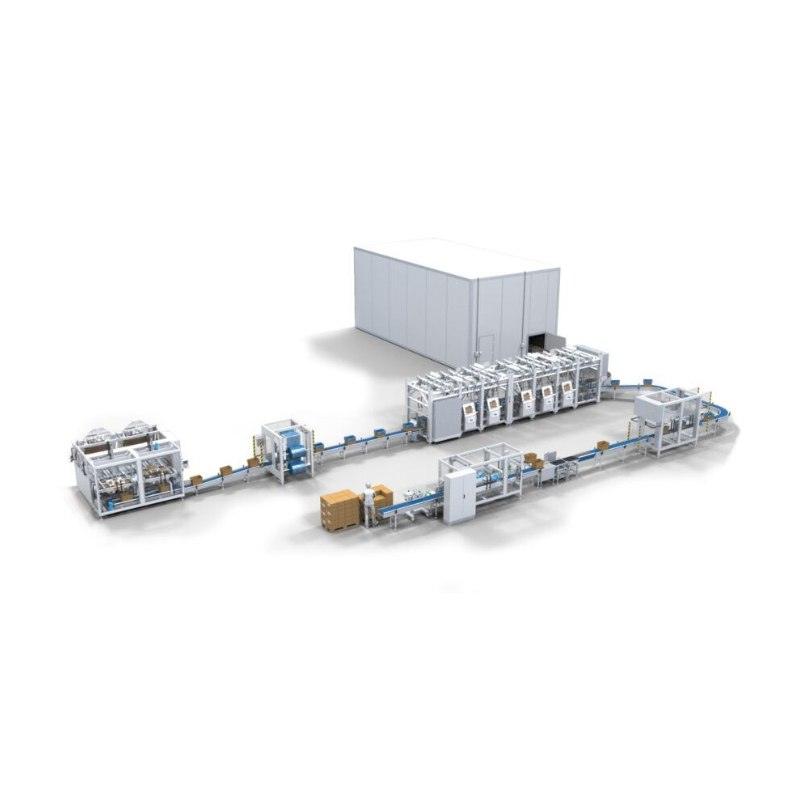
Closing and lidding follow filling, usually just after forming has made the tray or box. From there the pack may go to sleeving machines or cartoning machines for the retail unit, then to end of line machines for cases and pallets. All of it can be specified as one complete packaging line. LVP Automation specifies, installs and supports closing and lidding machines from Finglas, Dublin 11 as part of our wider automation services.

Specification

Closing machines, linear
Vimco CH998 for one flap lids and CH1003, the high speed linear variant
Closing machine, angular
Vimco CH890 for three flap lids
Closing throughput
Up to 200 boxes per minute, electronically adjustable
Lidding machines
Vimco VLM100 vertical lift automatic and LM100 automatic
Lidding throughput
20 boxes per minute on the VLM100 single head and 18 on the LM100, up to 40 with a dual head
Lid types
One flap or three flap
Closure
Hot melt glue or an interlocking system
Lidding application
Positioning and gluing cardboard lids on trays or display boxes

Where Closing and Lidding Machines Excel

High-Speed Linear Closing

Optimised for straight-through lines where speed and repeatability matter, consistent lids at up to 200 boxes/min with precise compression timing.

Complex Angular Closures

Handles offset, multi-panel or non-standard lid geometries; perfect for premium packs or intricate 3-flap designs without slowing the line.

Flexible Sealing Methods

Switch between hot-melt for maximum throughput and interlocking where adhesive-free closures or recyclability goals apply.

FAQs about Closing and Lidding Machines

Quick answers on formats, speeds, sealing options, changeovers, integration and maintenance.

Which lid formats are supported?

Standard 1-flap and 3-flap lids, plus many custom variants. We confirm tooling from your box drawings and samples.

What throughput can I expect?

Up to 200 boxes per minute on linear models (format-dependent). Angular machines handle complex lids at slightly lower but highly stable rates.

Hot-melt vs interlocking, how do I choose?

Hot-melt delivers top speed and strong bonds; interlocking suits adhesive-free, recyclable or specific brand/structural requirements.

How fast are changeovers?

Recipe-based settings and guided adjustments enable quick changeovers; optional automatic set-ups reduce downtime further.

Can the machine handle different board grades?

Yes, compression, glue temperature/time and guides are set per substrate. We validate settings during commissioning.

Does it integrate with upstream formers and loaders?

Absolutely, PLC/HMI handshakes with forming, robotic/carton loading, printers/label applicators and downstream case packing.

What glue systems are supported?

Industrial hot-melt units with precise application; we spec nozzles and patterns for your board and speed.

How is seal quality verified?

Sensors and, where required, vision inspection verify lid presence/position; reject logic removes non-conforming packs.

What about safety and guarding?

CE-compliant guarding, interlocked doors, e-stops and beacons; optional light curtains/area scanners for enhanced access control.

What maintenance is required?

Routine cleaning, checks on compression sections, glue heads (if used), belts/drives and sensors; preventative schedules keep uptime high.

Downloads

Similar Products

Let's Connect

Have a question about our conveyor systems or need a tailored automation solution for your business? Our team at LVP Automation is here to help. Fill out the form below with your details, and we’ll get back to you as soon as possible. Whether you need a quote, technical support, or more information on our products, we’re ready to assist.