Forming Machines

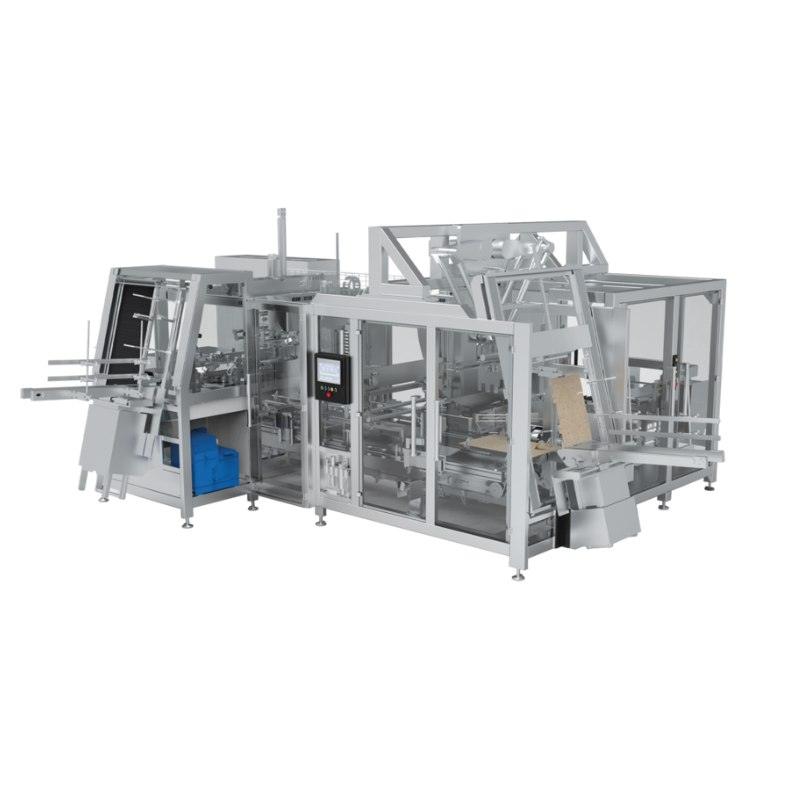
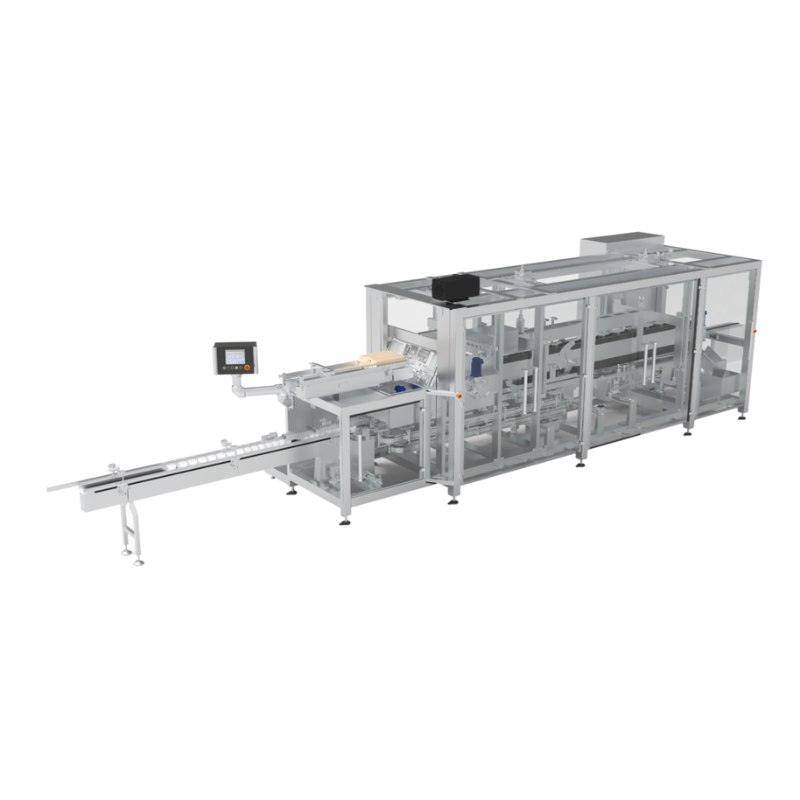
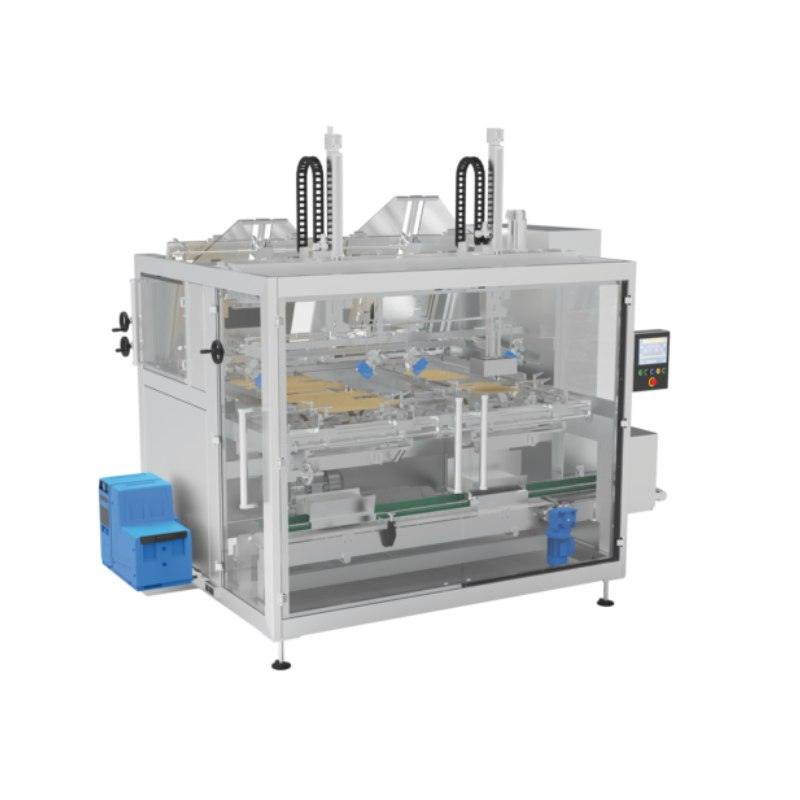
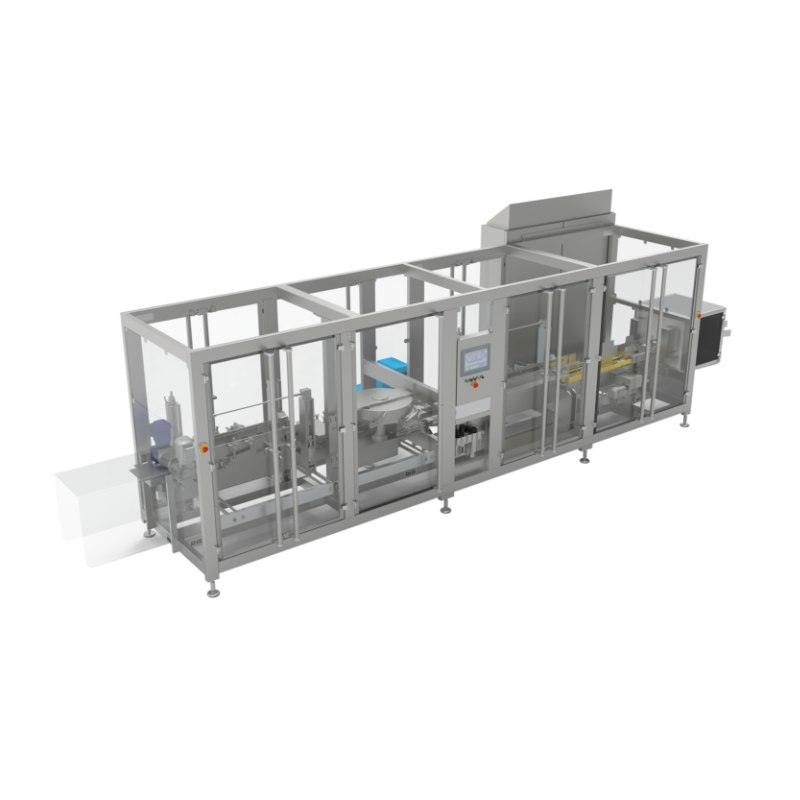
Vimco’s forming machines are designed for specialised box and tray production, accommodating unique sizes, shapes, and applications across diverse industries. These versatile machines handle materials using hot-melt glue, cold glue, or hooks, providing flexible and secure assembly options. With single, double, or triple forming heads, Vimco’s forming machines achieve speeds of up to 180 boxes per minute. Built for efficiency, they feature quick format changes, with automatic options available, and can be seamlessly integrated into complete packaging lines with robotic loading systems.

Throughput
Up to 180/min
Forming heads
1, 2 or 3 heads
Hot melt glue models
Four hot melt models
Cold glue models
FAC741 and FAC724
Closure methods
Glue or hooks
Box sizes checked before you orderSpecified, installed and supported from Dublin 11
Up to 180/min
Triple head forming
Nine models
Hot melt, cold glue, hook and speciality
Glue or hooks
Hot melt, cold glue or hook closure
Ireland-wide support
Specification, install and service from Dublin 11

Forming machines explained

Heads, not machines, set the speed

A single forming head runs to 60 strokes a minute. A double head gives 120 boxes a minute and a triple head 180. The scaling is close to linear, which makes this an unusually clean decision: if you need more output, you are usually buying another head rather than another machine, another footprint and another set of spares. Work out the rate you need first, then let the head count follow from it.

01

Hot melt, cold glue or hooks

Three ways of holding the box together, and they are not interchangeable. Hot melt sets fast, which is what suits the higher speeds, but it means a heated system and the maintenance that comes with it. Cold glue avoids the heat entirely and is generally the cheaper consumable, at the cost of a slower set that the machine has to allow for. Hooks use the board itself with no adhesive at all, which removes the consumable and leaves clean board at end of life.

02

The hot melt range

Four machines cover hot melt forming: the FAC285, FAC250, FAC600 and FAC555. This is the largest family in the range and the usual starting point for standard box and tray work at speed. Which one fits depends on your box geometry rather than on rate alone, since the head count is what buys throughput, so the shortlist is usually decided by the pack before it is decided by the numbers.

03

Cold glue, with or without flap folding

The FAC741 and FAC724 are the cold glue machines, available with or without flap folding. Flap folding matters when the tray or box needs the flaps turned in as part of forming rather than as a separate operation downstream. If your current process has someone folding flaps by hand, that is the specification detail worth pulling forward, because it often removes a station rather than just speeding one up.

04

Hooks and speciality formats

The FA113 uses hook closure and comes as a single or double head. The FAC650 forms clamshell boxes, and the FA670 makes double wall boxes with an interlocking closure, which is the option when the pack needs the extra rigidity of a double wall without adhesive. These are narrower in application than the glue machines, so they are worth naming early if your pack is one of these types rather than working back to them.

05

Box size is where the shortlist actually narrows

Two models publish dimension ranges. The FA113 covers 50 to 440 mm wide, 45 to 320 mm deep and 20 to 100 mm high across its configurations. The FA670 covers 55 to 310 mm wide, 45 to 210 mm deep and 40 to 100 mm high. Bring your actual box sizes to the first conversation, including the awkward one you only run twice a year, because that is the size that decides the machine.

06

Fixed or adjustable heads, and changeover

Forming heads are available fixed or adjustable. A fixed head is simpler and cheaper and is the right call when the format is settled. An adjustable head covers a range of sizes and earns its money the moment you add a SKU. Format change is quick and easy across the range, and automatic changeover is available as an option, which is worth pricing if the line runs several products a day.

Robotic loading and where it sits in the line

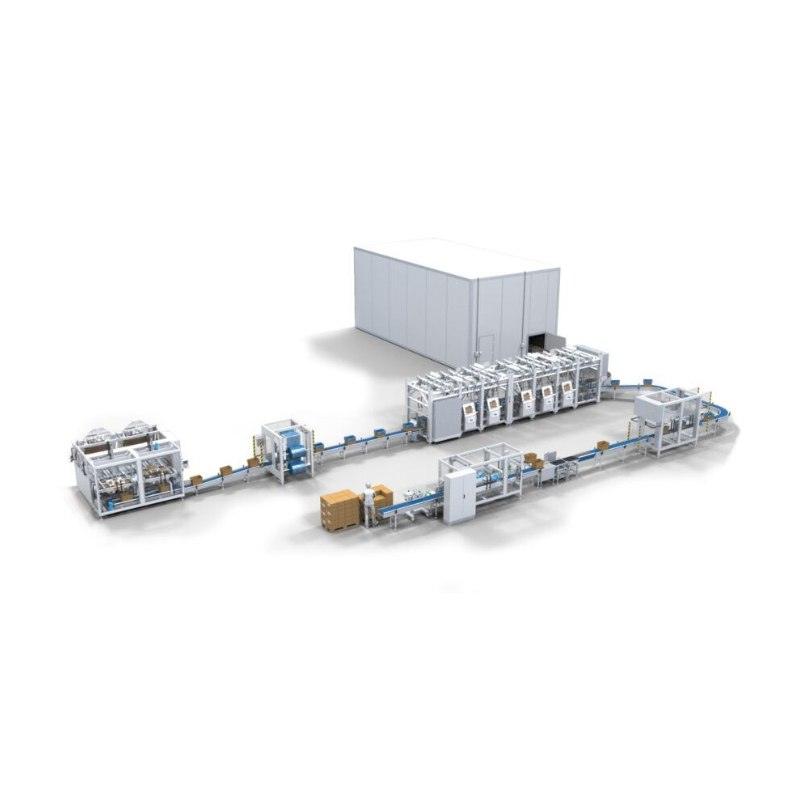
Forming machines integrate with robotic and automated product loading systems, so the formed box can be filled in the same cell rather than travelling to a separate station. Downstream the pack goes to closing and lidding machines, then to sleeving machines or cartoning machines for the retail unit and end of line machines for cases and pallets, all specifiable as one complete packaging line. LVP Automation specifies, installs and supports forming machines from Finglas, Dublin 11 as part of our wider automation services.

Specification

Throughput
60 strokes per minute on a single head, 120 boxes per minute on a double head and 180 on a triple head
Forming heads
Single, double or triple, available fixed or adjustable
Hot melt glue models
Vimco FAC285, FAC250, FAC600 and FAC555
Cold glue models
Vimco FAC741 and FAC724, with or without flap folding
Closure methods
Hot melt glue, cold glue or hooks
Hook closure model
Vimco FA113, single or double head
Speciality formats
FAC650 for clamshell boxes and FA670 for double wall boxes with interlocking closure
FA113 box range
50 to 440 mm wide, 45 to 320 mm deep and 20 to 100 mm high
FA670 box range
55 to 310 mm wide, 45 to 210 mm deep and 40 to 100 mm high
Changeover
Quick and easy format change, with automatic changeover available

Where the Forming Machine Excels

High-Throughput Carton & Tray Forming

Meet peak demand with multi-head configurations and short cycle times, stable, square forms ready for auto-loading.

Flexible Assembly Methods

Choose hot-melt for speed, cold glue for specific materials or hook assembly where adhesives aren’t preferred, matched to your substrates and specs.

Seamless Line Integration

Interfaces cleanly with robotic loading, case packers, print/label, vision and palletising for a fully automated end-to-end flow.

FAQs about the Forming Machine

Quick answers on materials, speeds, gluing methods, changeovers, integration and maintenance.

What carton/tray styles can be formed?

A wide range, RSC-style trays, display trays, wraparounds and custom die-cut formats. We confirm tooling based on drawings and samples.

How fast can it run?

Up to 180 boxes per minute, depending on size, head count (single/double/triple) and assembly method.

Hot-melt vs cold glue vs hooks, how do I choose?

Hot-melt for speed and strong bonds, cold glue for certain papers/boards or heat sensitivity, hooks where adhesives are undesirable or for recloseable designs.

How quick are changeovers?

Tool-less or guided quick-change with recipe recall; optional automatic adjustments minimise downtime between formats.

What materials are supported?

Corrugated and solid board across common thicknesses. We validate glue windows and compression settings for your substrates.

Can it integrate with robots and loaders?

Yes, robots can pick/place products into freshly formed trays; handshakes with upstream/downstream equipment via PLC/HMI.

How is quality ensured?

Sensors verify presence, glue application and compression time; optional vision checks for squareness and flap closure.

What footprint do I need?

Compact to mid-size, dependent on head count and magazine length. We’ll provide a layout and, if needed, a simulation.

What maintenance is required?

Routine checks on glue systems, compression, magazines and drives; scheduled service for heaters/pumps if hot-melt is used.

Can the machine store multiple recipes?

Yes, format dimensions, glue profiles and timings are stored for fast, repeatable setups.

Downloads

Similar Products

Let's Connect

Have a question about our conveyor systems or need a tailored automation solution for your business? Our team at LVP Automation is here to help. Fill out the form below with your details, and we’ll get back to you as soon as possible. Whether you need a quote, technical support, or more information on our products, we’re ready to assist.