Laser Marking Systems

Arca offers a diverse range of advanced laser marking systems, including CO₂, Fibre (Q-switched and MOPA), and DPSS UV lasers. These efficient, non-contact marking solutions are designed for precise, high-quality marking on various materials, meeting the demands of industries requiring high power density and detailed accuracy. Ideal for applications that necessitate permanent, crisp markings, Arca’s laser systems ensure durability and precision across a broad range of production needs.

Laser sources
CO2, fibre, UV
Fibre wavelength
1070 nm fibre
UV wavelength
355 nm UV
Source lifetime
40k to 100k hours
Laser class
Class 1 or class 4
Samples marked before you commitSpecified, installed and supported from Dublin 11
Three laser types
CO2, fibre Q-switched and MOPA, DPSS UV
Up to 100,000 hours
Expected fibre source lifetime
No consumables
No inks or ribbons to replace
Ireland-wide support
Specification, install and service from Dublin 11

Laser marking explained

Three laser types, and the question that picks between them

Arca offer CO2, fibre in Q-switched and MOPA versions, and DPSS UV. The choice is made by the material, not the budget. Fibre suits most metals and some dark plastics, CO2 excels on organics and cartons, and UV marks delicate or heat sensitive plastics with high contrast. Get this wrong and no amount of power fixes it, which is why sample marking on your actual substrate is the step worth insisting on before anything is ordered.

01

Fibre, Q-switched or MOPA

Both fibre sources run at 1070 nm and cover the same broad territory of metals and darker plastics. The choice between them comes down to the material and the mark you need rather than a headline figure, so it is settled by marking samples and comparing contrast, depth and cycle time side by side. Expected fibre source life is around 100,000 hours, which in most Irish plants means the laser outlives the line it was installed on.
02

UV at 355 nm, for heat sensitive work

The DPSS UV source runs at 355 nm. The shorter wavelength puts less heat into the part, which is what makes it the answer for sensitive plastics and fine detail where a fibre laser would mark but also distort. If your part is thin, optically clear or has anything underneath the marked surface that heat would affect, UV is the conversation to start rather than the fallback after fibre disappoints.

03

Class 1 or class 4, and why it decides your layout

This is the specification that changes your floor plan. An entry level Laser Box solution is class 1, which means the enclosure contains the beam and the cell can sit in a normal working area. An entry level solution on open support structures is class 4 and needs a guarded cell around it. Safety modules are certified to performance level PL-e under EN ISO 13849-1 and SIL CL 3. Decide the class early, because retrofitting guarding around an installed machine is always more expensive than allowing for it.

04

Fumes are part of the specification

Marking removes or alters material, and that material goes somewhere. Fume extraction and filtration removes the particulates and gases, and it matters most with plastics and coated substrates. It is easy to leave off a quotation and awkward to add afterwards, so treat it as part of the machine rather than an accessory, along with where the ducting runs and who changes the filters.

05

No consumables is the real running cost story

There are no inks, no ribbons and no solvents to buy, store or change over. CO2 sources are quoted at around 40,000 hours and fibre at around 100,000. Maintenance is keeping the optics clean, checking filters and verifying alignment. Against an inkjet coder that needs fluid, make-up and a service visit, the running cost difference over a few years is usually larger than the difference in purchase price.

06

Proving the code, not just marking it

A permanent mark that will not scan is worse than a label, because you cannot peel it off and redo it. Codes are GS1 and UDI ready, and inline vision or barcode verification can grade them to ISO and ANSI standards and trigger rework or reject logic. On a serialised line that grading step is not optional, it is the thing that makes the serialisation defensible.

When a label beats a laser

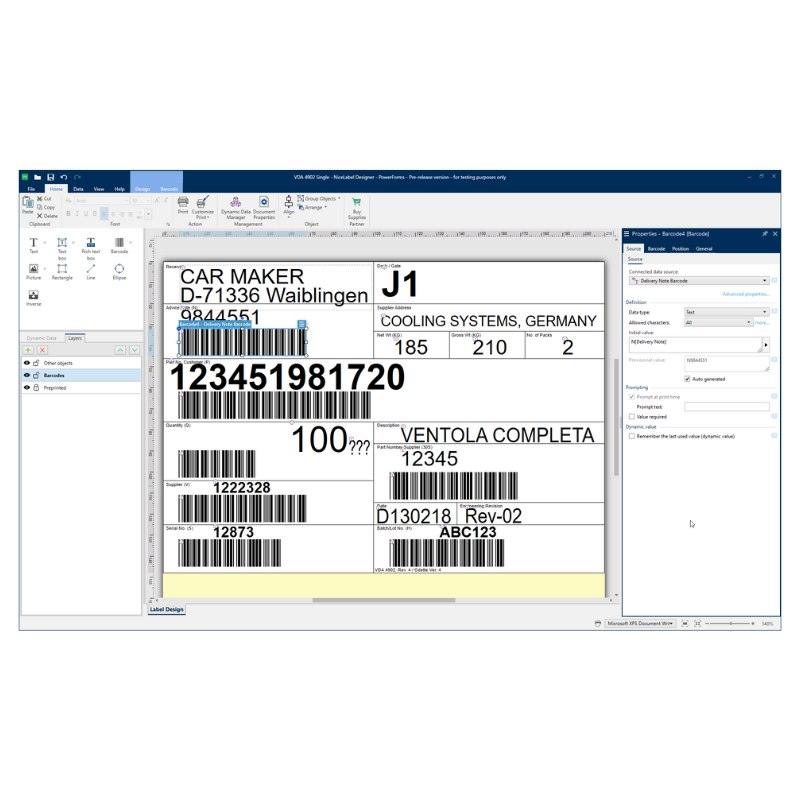
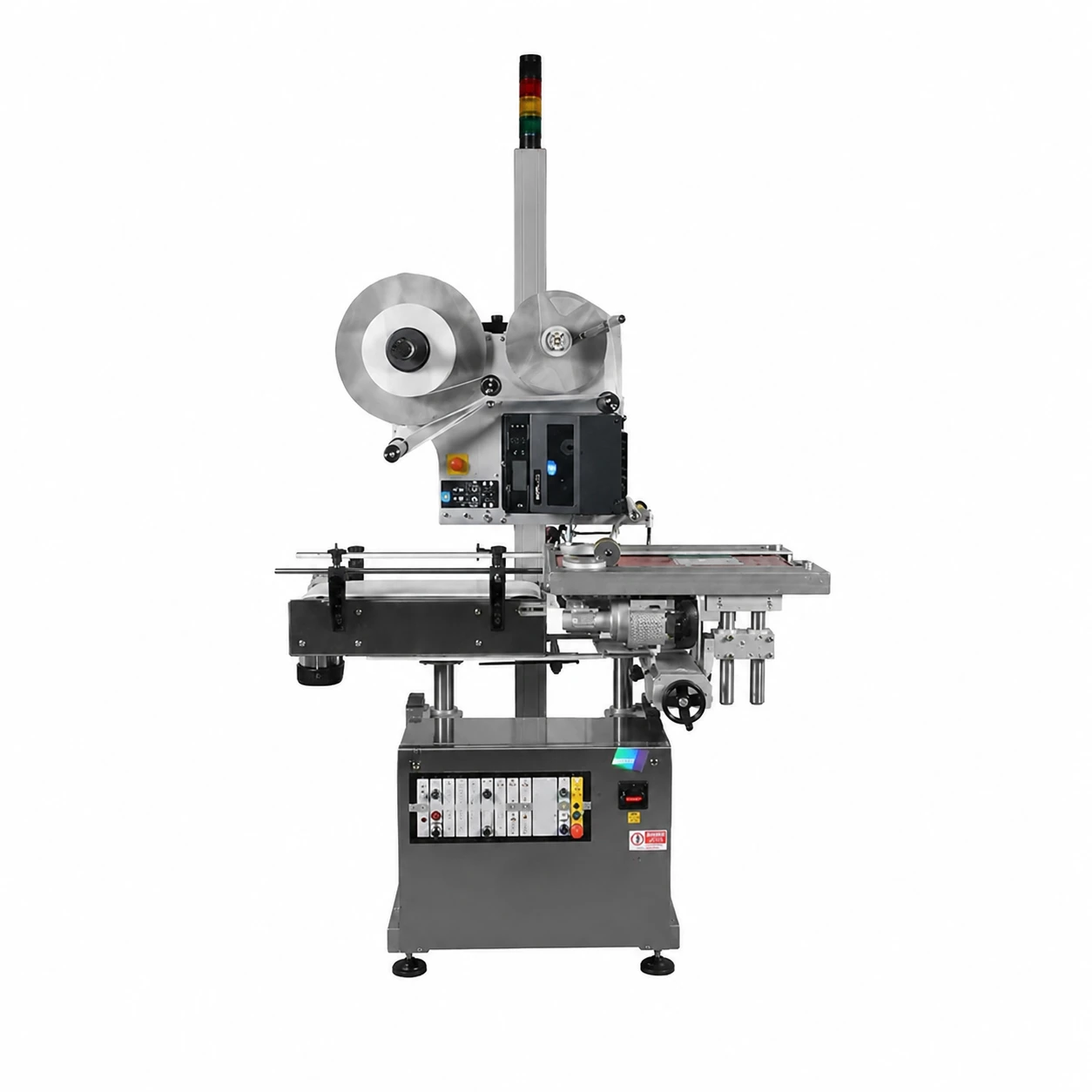
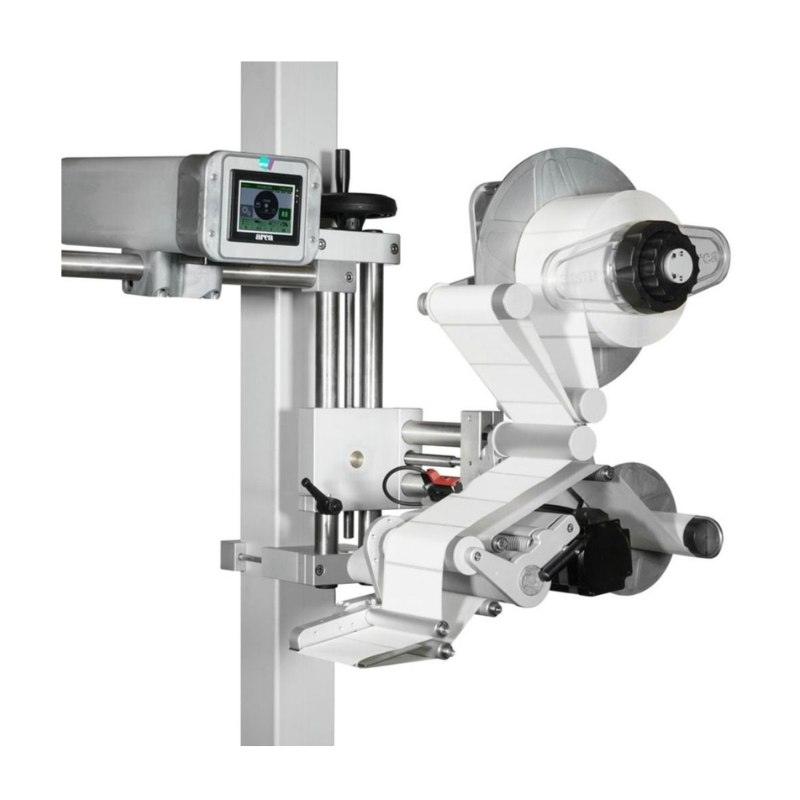
Laser is not always the right answer, and it is worth being straight about that. If you need removable labels, large colour graphics, or frequent format changes on substrates that do not give good laser contrast, industrial labelling systems, print and apply labellers or apply only applicators are the better tool, driven from the same labelling software. Where laser wins, it integrates through PLC and HMI recipes, encoder and product sensors for trigger and sync, and serialisation data from MES or ERP. LVP Automation specifies, installs and supports laser marking systems from Finglas, Dublin 11 as part of our wider automation services.

Specification

Laser sources
CO2, fibre in Q-switched and MOPA versions, and DPSS UV
Fibre wavelength
1070 nm on both the Q-switched and MOPA fibre sources
UV wavelength
355 nm on the DPSS UV source
Source lifetime
Around 40,000 hours on CO2 and around 100,000 hours expected on fibre
Laser class
Class 1 with a Laser Box enclosure, class 4 on open support structures
Safety modules
Certified to performance level PL-e under EN ISO 13849-1 and SIL CL 3
Materials
Metals including stainless, aluminium and tool steel, plastics including ABS, PP and PET, coated paperboard, glass and ceramics
Codes
GS1 and UDI ready, with inline vision or scanner grading to ISO and ANSI
Integration
PLC and HMI recipes, encoder and product sensors for trigger and sync, serialisation data from MES or ERP
Consumables
None. No inks or ribbons, with maintenance limited to optics cleaning, filter checks and alignment

Where the Laser Marking System Excels

Materials & Applications

Mark metals (stainless, aluminium, tool steel), plastics (ABS, PP, PET), coated cartons and glass with permanent, high-contrast results for serialisation, branding and traceability.

Compliance & Traceability

Produce GS1/UDI-ready codes with inline verification and audit trails to meet regulated industry requirements.

Clean, Low-Cost Operation

No inks or ribbons, reduced consumables, less downtime and consistent print quality across long runs.

FAQs about the Laser Marking System

Answers on laser types, materials, speeds, safety, integration and upkeep.

Which laser should I choose, CO₂, Fibre or UV?

Fibre suits most metals and some dark plastics; CO₂ excels on organics/cartons; UV (DPSS) marks delicate or heat-sensitive plastics with high contrast.

What materials can be marked?

Metals, many plastics, coated paperboard, glass and ceramics. We test samples to confirm contrast and cycle time.

How fast can it mark?

Depends on content size, density and material. Alphanumeric and small 2D codes are typically marked in fractions of a second.

Do I need an enclosure?

Yes for eye safety and fume control. We supply Class-1 enclosures with interlocks; open Class-4 setups require guarded cells.

What about fumes or residue?

Use fume extraction/filtration to remove particulates and gases, especially important with plastics and coated substrates.

Can the system verify barcodes inline?

Yes, add vision/scanners to grade codes (e.g., ISO/ANSI) and trigger rework/reject logic.

How does it integrate with our line?

PLC/HMI recipes, encoder/product sensors for trigger/sync, and data from MES/ERP for serialisation.

What maintenance is required?

Minimal, keep optics clean, check filters and verify alignment. No inks or ribbons to replace.

Will laser marking damage heat-sensitive parts?

UV (DPSS) uses shorter wavelengths and lower heat input, ideal for sensitive plastics and fine detail.

When is labelling better than laser?

If you need removable labels, large colour graphics, or frequent format changes on substrates that don’t yield good laser contrast.

Downloads

Similar Products

Let's Connect

Have a question about our conveyor systems or need a tailored automation solution for your business? Our team at LVP Automation is here to help. Fill out the form below with your details, and we’ll get back to you as soon as possible. Whether you need a quote, technical support, or more information on our products, we’re ready to assist.