End-of-Line Machines

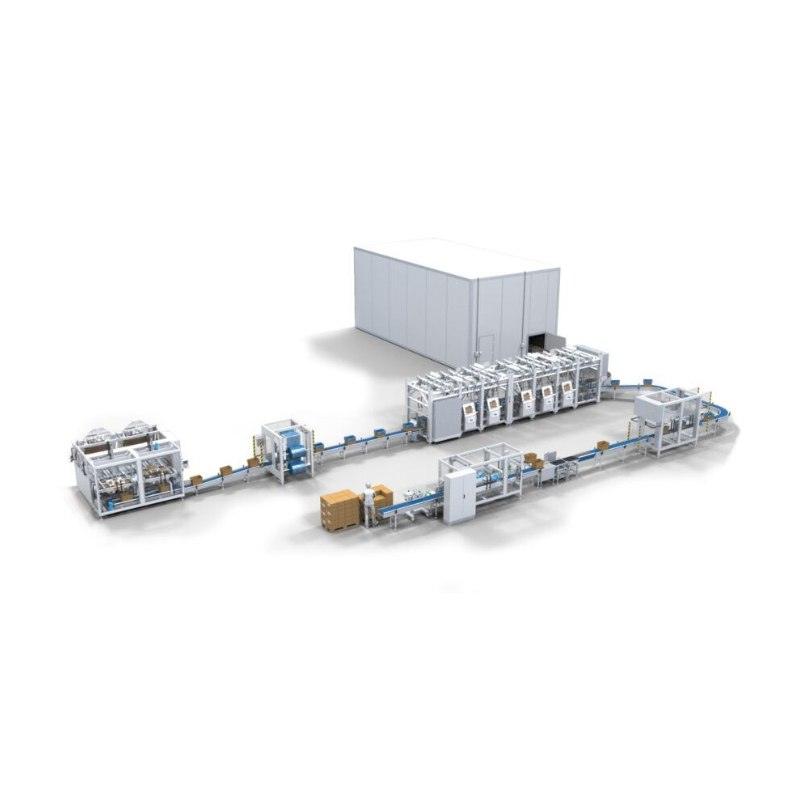
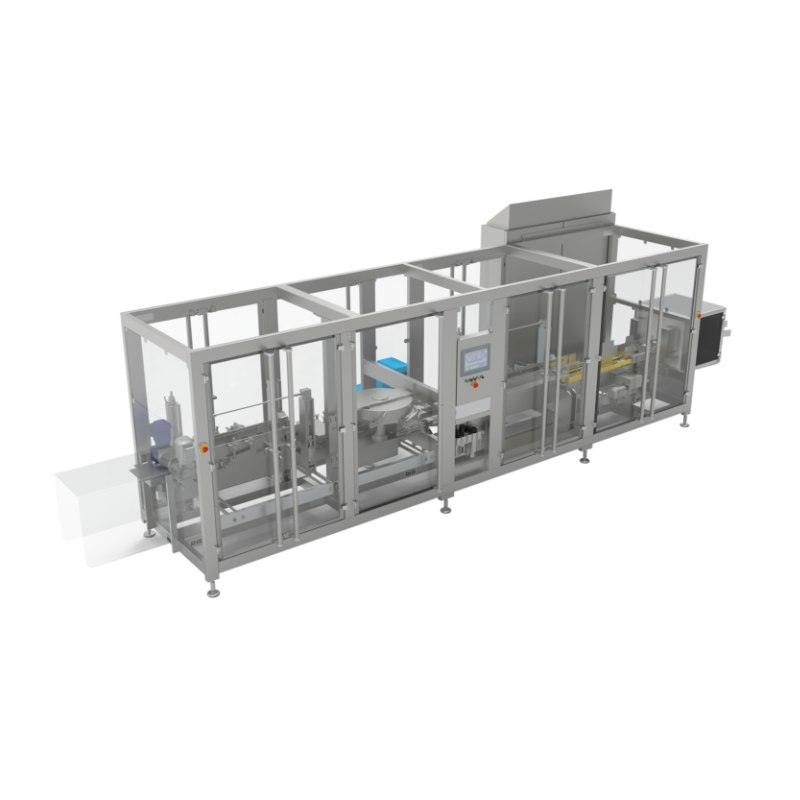
Vimco’s end-of-line case closing machines offer efficient and reliable case sealing with options for hot-melt glue or adhesive tape. Known for their flexibility, these machines support quick and easy format changes, allowing seamless transitions between different product types and packaging sizes. Ideal for high-demand production lines, Vimco’s case packers minimise downtime and enhance productivity by accommodating various packaging requirements with ease.

Case packers
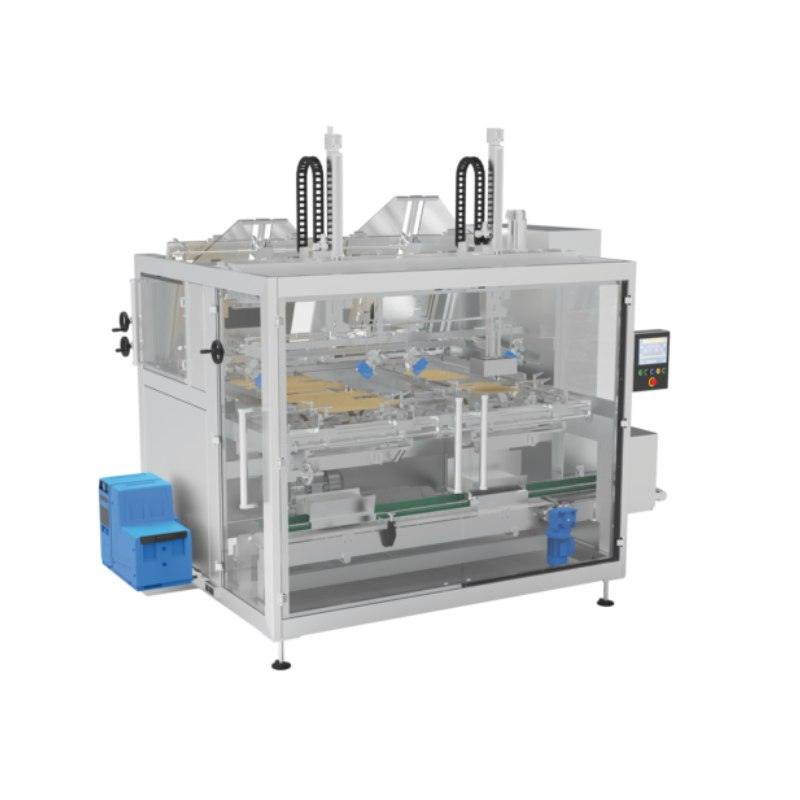
CP100 and CP101
Wrap around machines
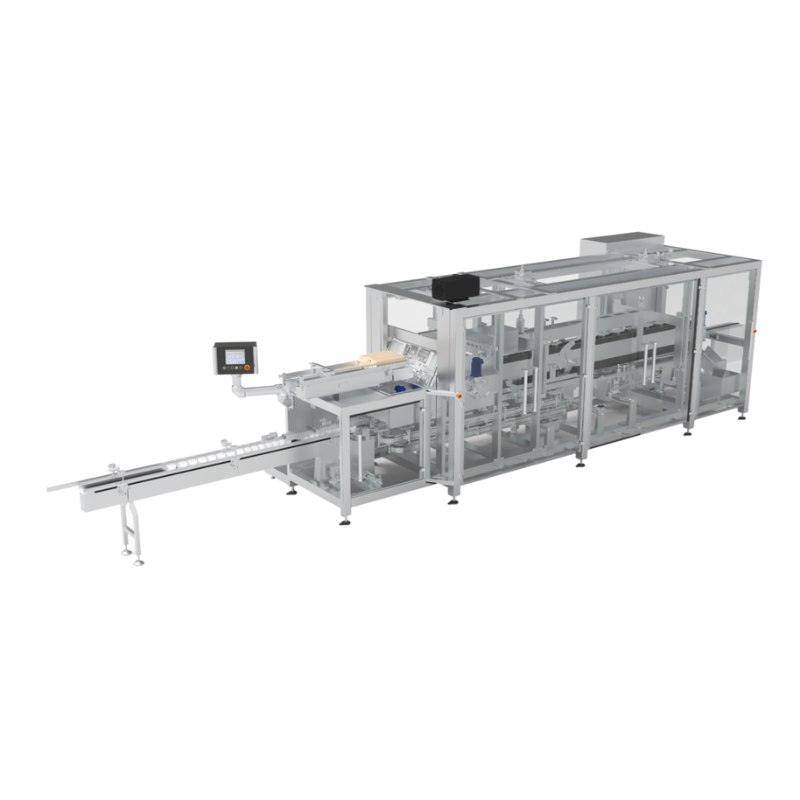
WA101 and WA102
Closure methods
Glue or tape
Loading
Side or top loading
Pack styles
Cases, trays, display
Machine matched to your case sizes and patternsSpecified, installed and supported from Dublin 11
Four machines
Two case packers and two wrap around models
Glue or tape
Chosen around who opens the case
Tray and lid
WA102 double magazine runs both in one cycle
Ireland-wide support
Specification, install and service from Dublin 11

End of line machines explained

Case packer or wrap around, and how to tell which you need

A case packer loads product into a case that already exists, then closes it. A wrap around machine takes a single flat cardboard blank and folds it around the collated product, so the pack is formed and closed in one pass. Wrap around uses less board and produces a tighter pack, which matters for pallet stability and transport damage. Case packing is the simpler choice when you are already buying erected cases or when the pack has to match an existing format exactly.

01

CP100 and CP101: glue or tape

The two Vimco case packers differ in how they close the box. The CP100 closes with hot melt glue and the CP101 with adhesive tape. Glue gives a flush, tamper evident seal with nothing on the outside of the case, which retail and export customers often prefer. Tape is cheaper to run, simpler to maintain and easier for the receiving end to open. The decision is usually driven by who opens the case and what the customer expects to see, not by machine performance.

02

Side loading or robotic top loading

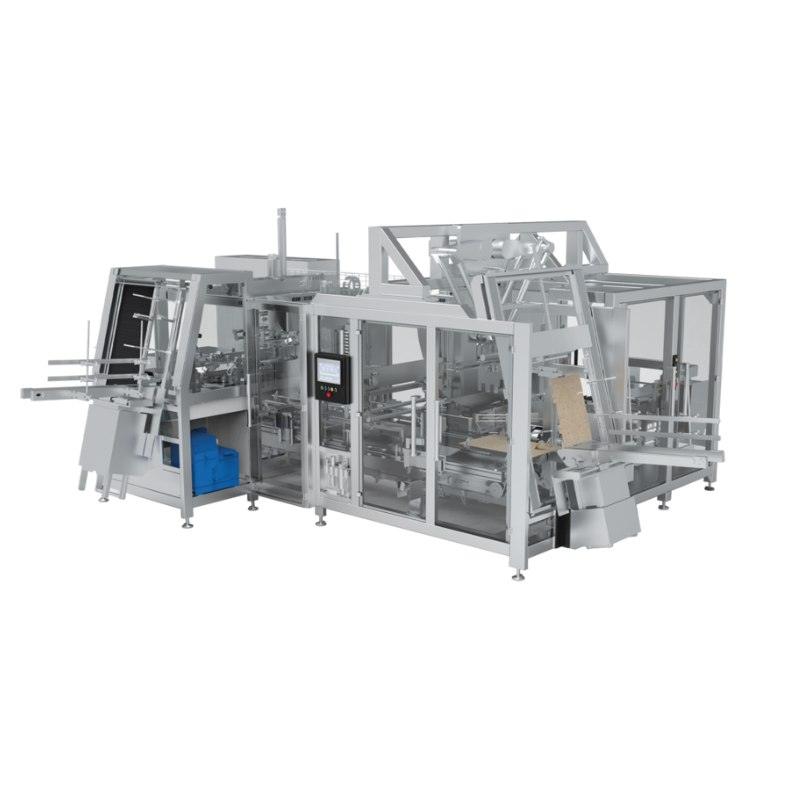
Case packers can be built for side loading or robotic top loading. Side loading suits product that collates naturally into rows and columns and generally uses less floor space. Robotic top loading handles fragile, awkward or mixed product and gives far more freedom to add formats later, because a change of pattern is a change of program rather than a change of tooling. The extra flexibility costs more up front and repays itself only if the format range actually changes.

03

WA101 and WA102: single or double magazine

The wrap around machines come with one blank magazine on the WA101 or two on the WA102. The double magazine is what allows tray and lid solutions to run on a single machine, feeding both blanks in the same cycle instead of splitting the job across two machines or a manual step. If tray and lid is anywhere in your five year plan, the WA102 is the cheaper decision to make now rather than later.

04

Format changeover is where the hours go

All four machines are built for quick format change, which is the specification that matters most for anyone running several products a day. A line that is fast but slow to change over loses more time to changeovers than it gains in run rate. Count the changeovers in a typical week before you compare cycle times, because that is usually where the real capacity is sitting.

06

Board, consumables and running cost

The cost of an end of line machine is mostly not the machine. Board quality and blank tolerance decide how reliably the magazine feeds, glue or tape is a recurring consumable, and both are worth pricing over a year before choosing a closure method. Wrap around typically uses a single blank where case packing uses a case plus closure, so board consumption is part of the comparison rather than an afterthought.

Install, training and support

Specification starts with the case sizes and pack patterns you actually run, not the fastest machine on the list, and the awkward SKU is usually the one that decides the machine. LVP Automation specifies, installs and supports end of line machines from Finglas, Dublin 11 as part of our wider automation services.

Specification

Case packers
Vimco CP100 with hot melt glue closure and CP101 with adhesive tape closure
Wrap around machines
Vimco WA101 with a single blank magazine and WA102 with a double magazine for tray and lid solutions
Closure methods
Hot melt glue or adhesive tape
Loading
Side loading or robotic top loading on the case packers
Pack styles
Cases, trays and display boxes
Changeover
Quick format change between product types and packaging sizes

Where End-of-Line Machines Excel

Multi-SKU, High-Demand Lines

Rapid, guided changeovers keep production moving when SKUs and case sizes change frequently, perfect for FMCG and contract packing.

Sealing to Your Specification

Choose hot-melt for high speed and strong bonds, or tape for lower consumable temperature sensitivity and easy openability, both verified for seal quality.

Clean Line Integration

Simple PLC/HMI handshakes to printers/label applicators, checkweighers, barcode scanners and palletisers for a smooth end-to-end flow.

FAQs about End-of-Line Case Closing Machines

Quick answers on sealing choice, speeds, case types, changeovers, QA, integration and maintenance.

Hot-melt or tape, how do I choose?

Hot-melt suits high speed and stronger bonds on most boards; tape offers simpler consumables and easy opening. We’ll match to your board grade, speed and cost targets.

What case types are supported?

Standard RSC/FEFCO styles and many variants. We validate flap length, board grade and compression to ensure a reliable close.

How fast can they run?

Speed depends on case size and sealing method. Systems are sized to your target cpm and upstream/downstream constraints.

How quick are format changeovers?

Recipe recall with guided adjustments and tool-less changes minimises downtime between case sizes and SKUs.

Can the machine verify seal integrity?

Yes, sensors/vision can confirm flap position, glue presence/tape application and print/label checks, with reject logic for non-conforming cases.

Do they integrate with printers and label applicators?

Absolutely, TIJ/CIJ/TTO and print & apply integrate cleanly, with encoder triggers and verification.

Can one machine handle multiple product heights/weights?

Yes, height/guide adjustments and compression settings are recipe-driven; we’ll confirm ranges during design.

What about different board grades or recycled cartons?

We tune compression, glue temp/time or tape tension to suit board quality; trials confirm a stable close at speed.

What maintenance is required?

Routine cleaning; checks on compression belts, glue heads/tape heads, sensors and drives. Preventative schedules keep uptime high.

How does it connect to our palletiser and WMS?

PLC I/O or fieldbus to palletisers, wrappers and weigh/check; optional data exchange to WMS/MES for case counts, faults and traceability.

Downloads

Similar Products

Let's Connect

Have a question about our conveyor systems or need a tailored automation solution for your business? Our team at LVP Automation is here to help. Fill out the form below with your details, and we’ll get back to you as soon as possible. Whether you need a quote, technical support, or more information on our products, we’re ready to assist.