Aluminium Slat Conveyors

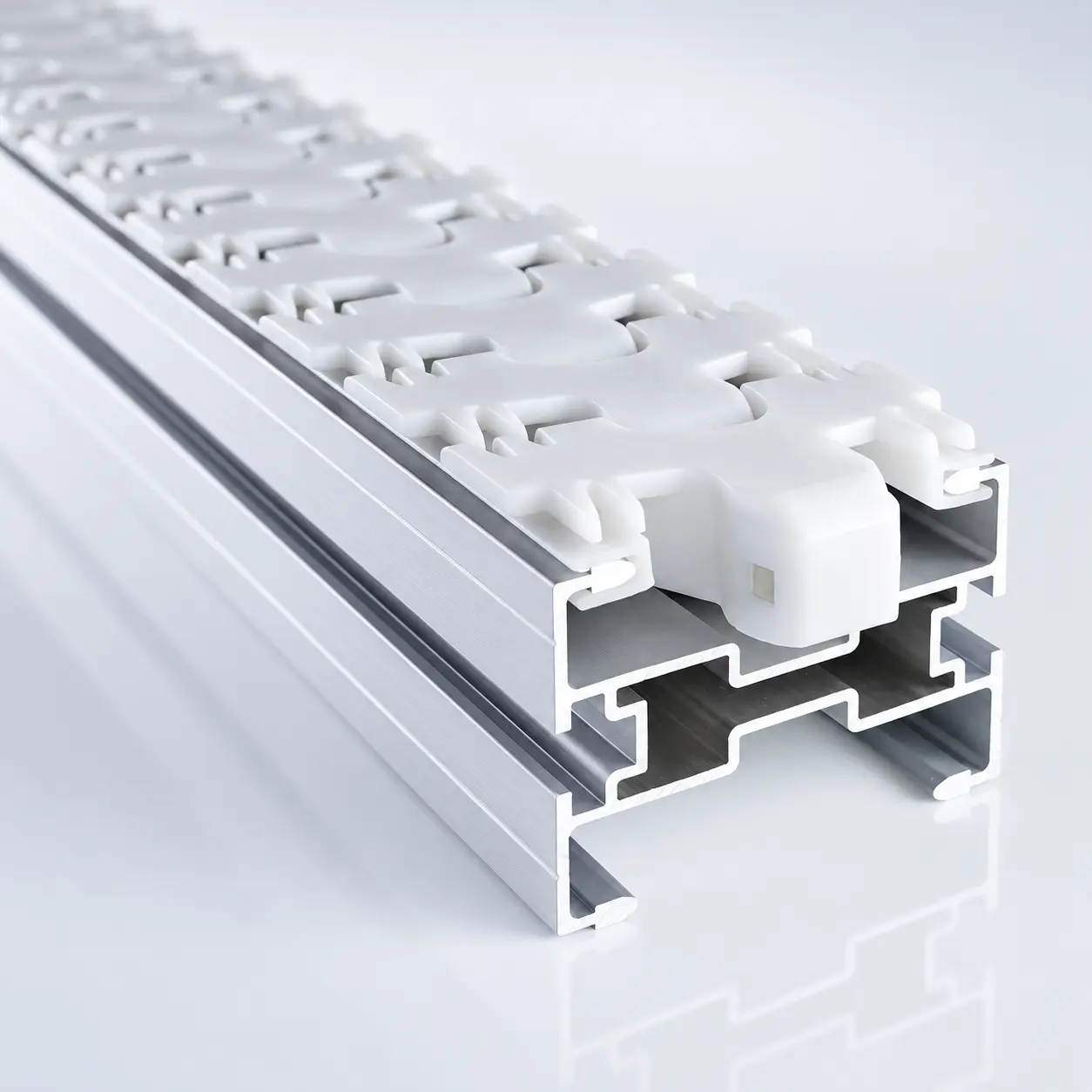
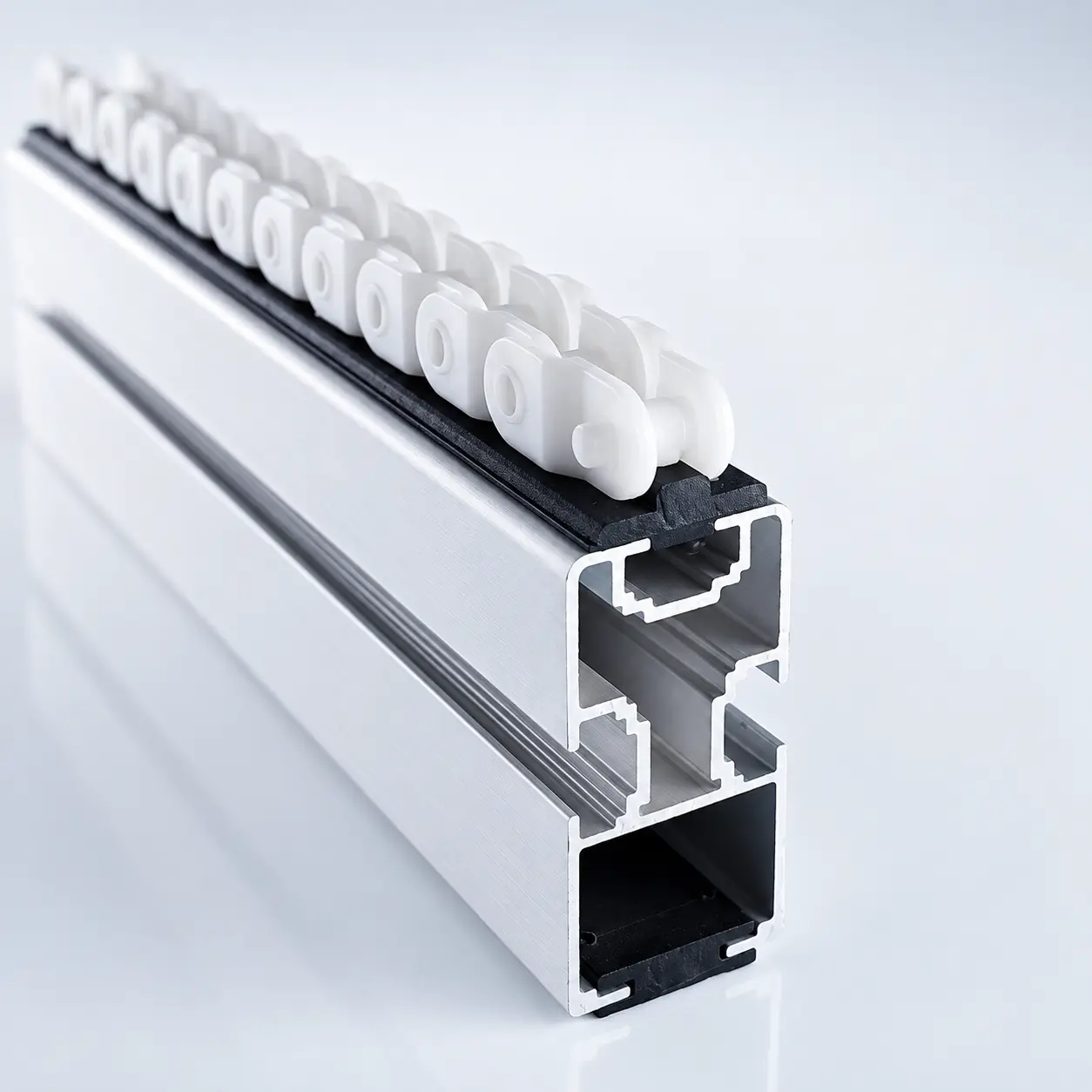
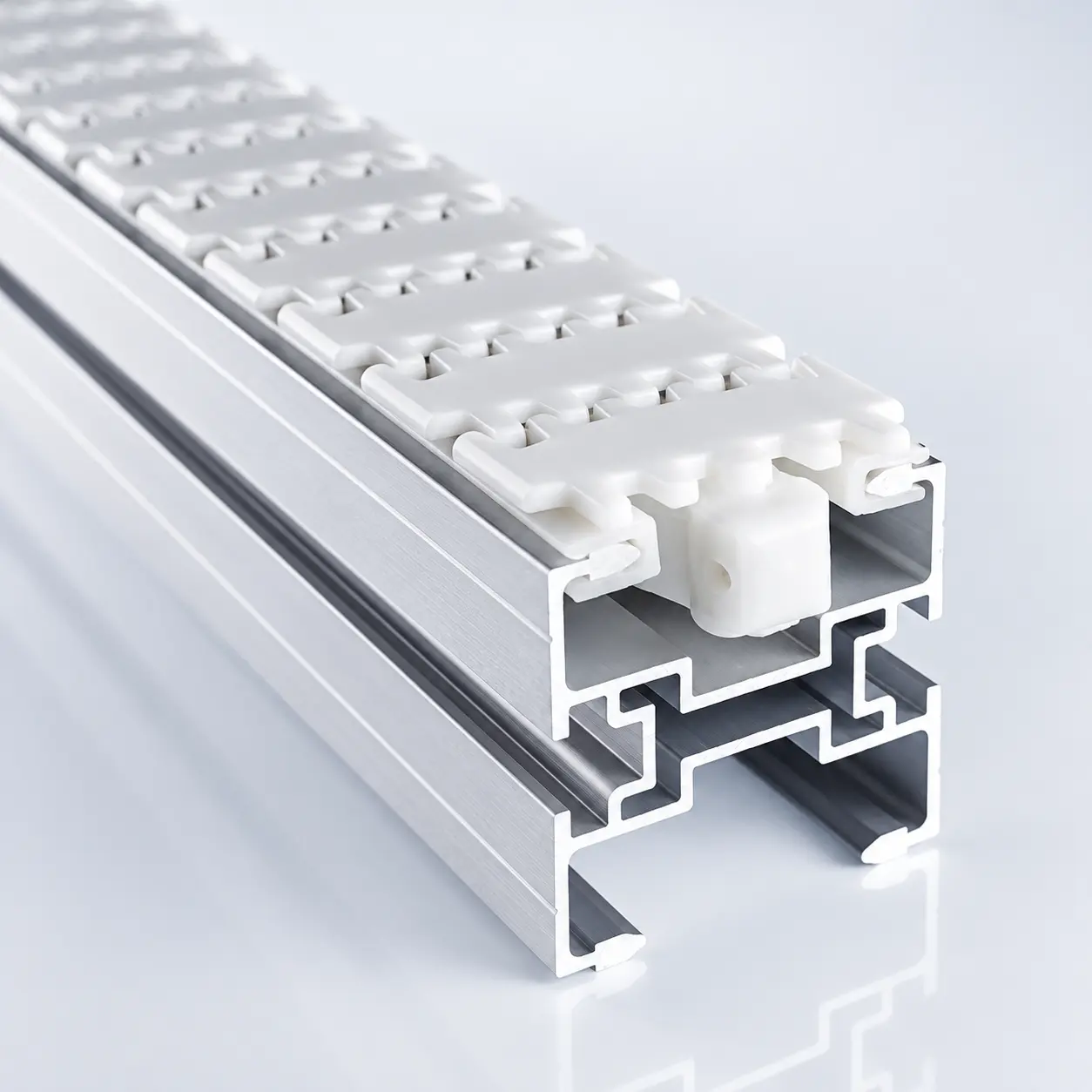
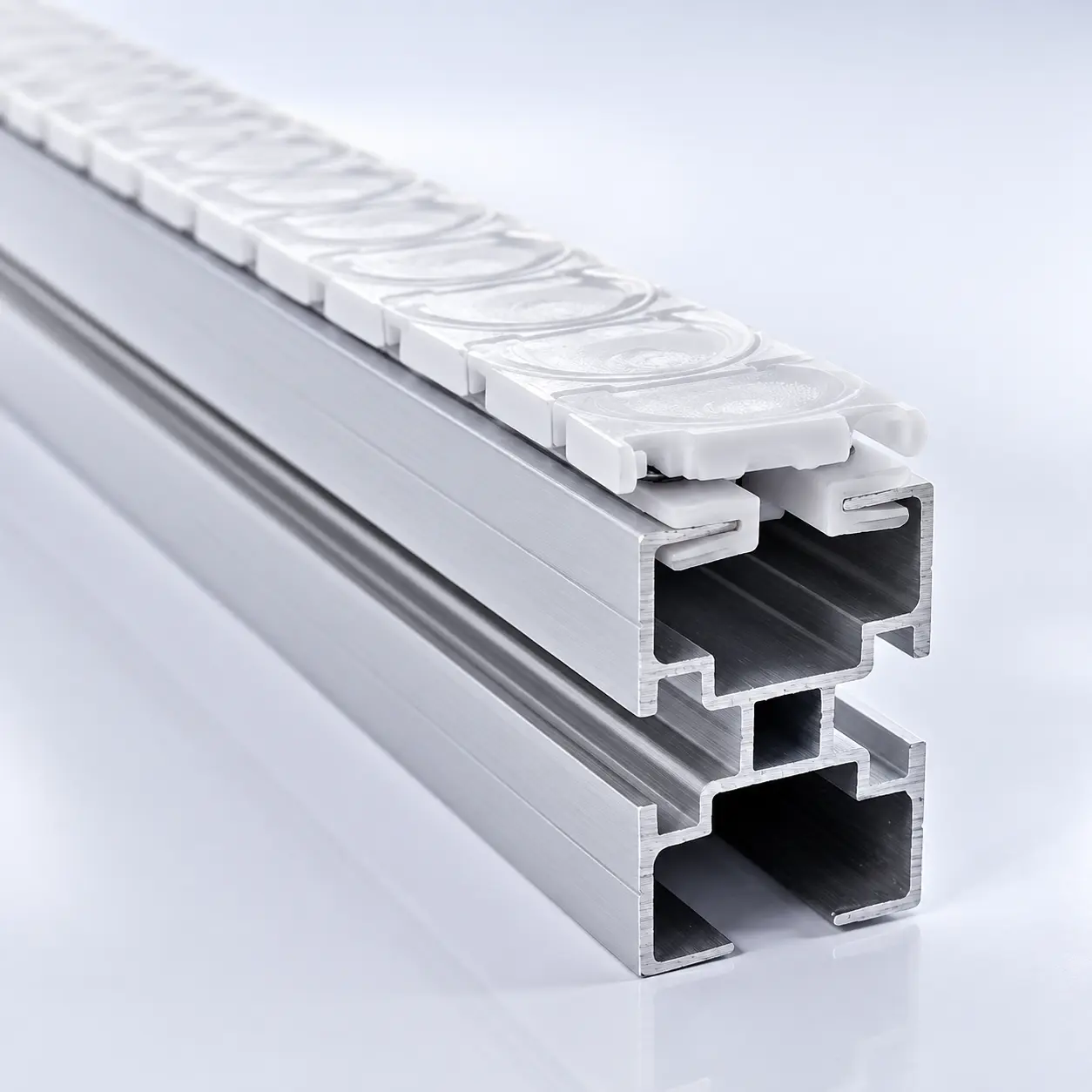
LVP Automation is the Irish distributor for Carryline Aluminium Slat Conveyors, offering a highly adaptable and space-efficient conveyor solution. Designed for versatile product movement across a range of industries, the Carryline Aluminium Conveyor integrates easily into both new and existing production or packaging areas. This modular system is built with durable aluminium components and can be set up quickly, allowing fast and cost-effective reconfiguration to meet changing operational needs.

Types
Six chain widths
Chain widths
24 to 220 mm
Maximum speed
40 to 80 m/min
Load
3 to 20 kg/m
Horizontal bend radius
R150 to R600 mm

Quoting: Carryline S620 (62mm)

Chain width sized to your productCurve radius checked against your layout

Carryline aluminium slat conveyors explained

What an aluminium slat conveyor is for

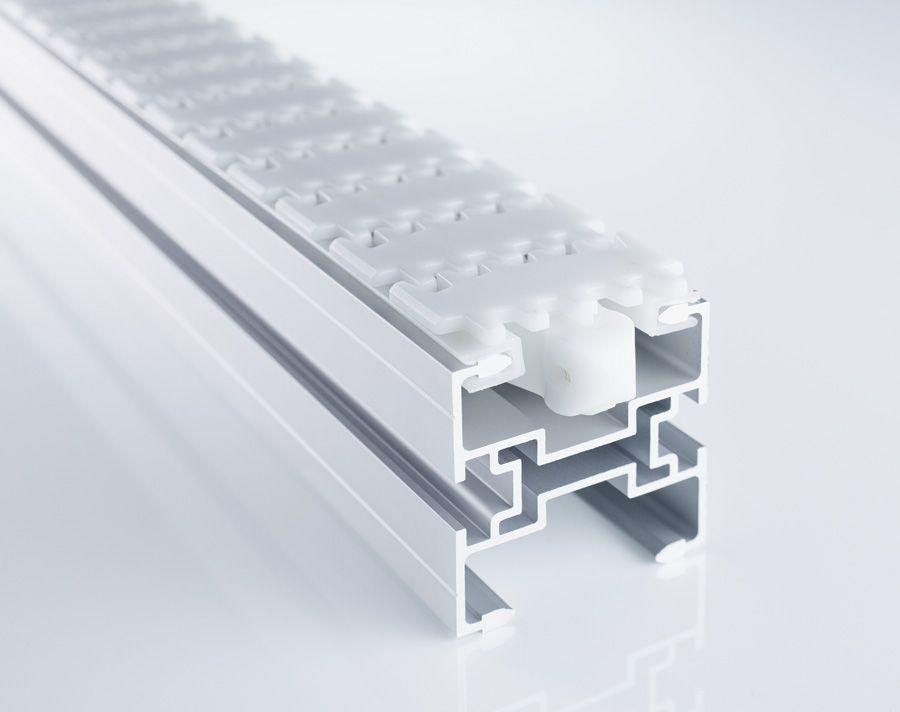
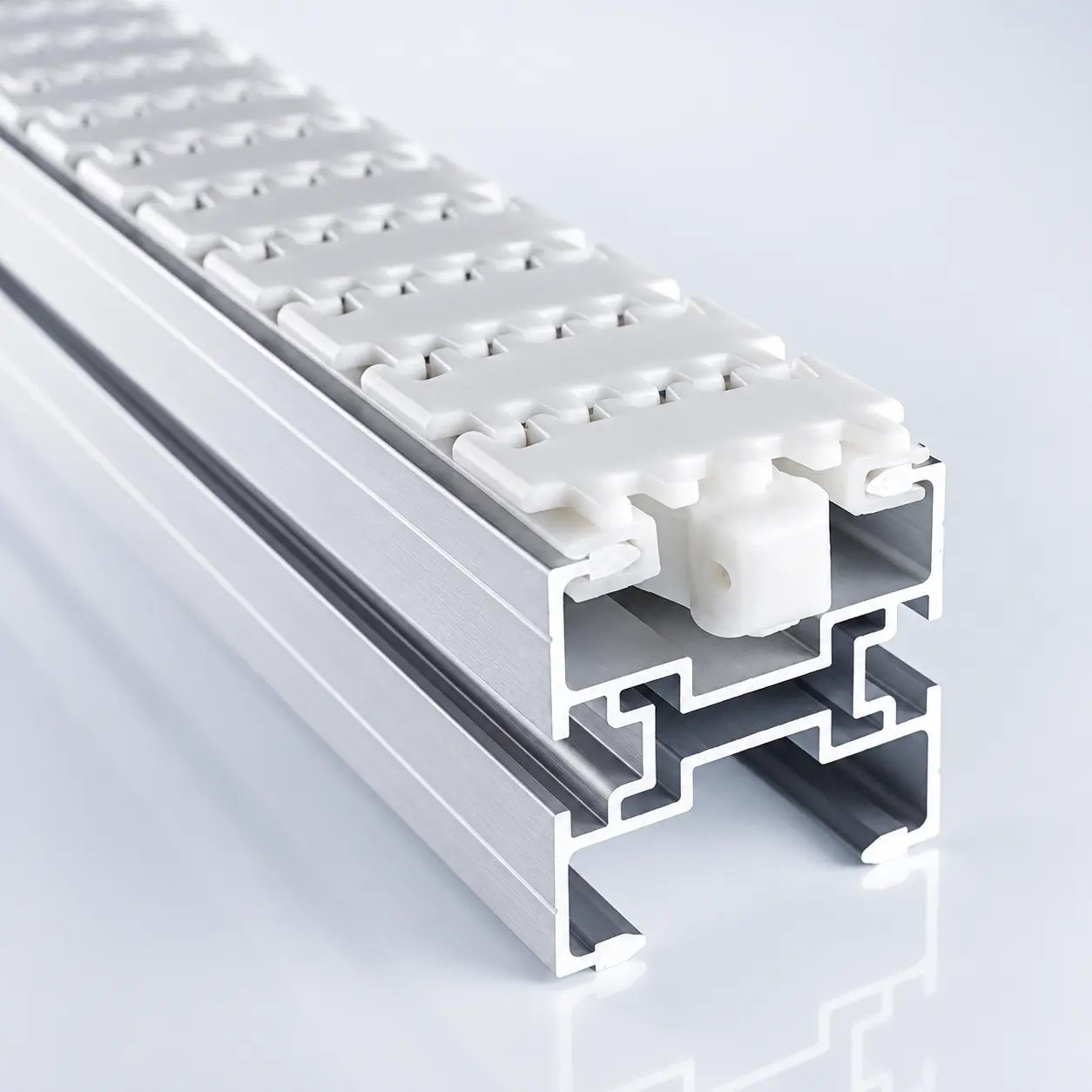
Aluminium slat is the standard Carryline build: anodised aluminium beams, an acetal chain running on slide rail, and a drive unit at one end. It is what you specify for assembly, packing and general handling in a dry area, where the line has to bend around existing machines and change layout again in two years. Where the line gets washed down with caustic at the end of a shift, the same system is available as stainless steel slat conveyors instead.

01

Six chain widths, and what changes with them

The range runs S240 at 24 mm, S380 at 38 mm, S620 at 62 mm, S830 at 83 mm, S140 at 140 mm and S220 at 220 mm. Width is the first decision and it drags three others with it: speed, load and turning radius. Profile width tracks the chain closely, at 40, 64, 86, 141 and 224 mm on the five catalogue models, so the space the conveyor occupies is roughly the chain width plus a couple of millimetres. Pick the width from the footprint of your product, then check what it costs you in the two sections below.

02

Speed and load pull in opposite directions

The narrow S380 is the fastest at 80 m/min but carries only about 3 kg/m and roughly 40 kg in total, with a 420 N traction limit and a 0.06 kW motor. The S620 does 60 m/min at about 10 kg/m and 105 kg. From the S830 up, load settles at about 20 kg/m and 200 kg with a 1,250 N traction limit, and speed falls to 50 m/min on the S830 and S140 and 40 m/min on the S220. That is the honest trade: a wider chain carries bigger and heavier product but will not run as fast. If your throughput target needs both width and speed, it is worth checking the arithmetic early rather than at commissioning, because two narrower lanes sometimes beat one wide one.

03

Curve radius is the layout constraint

Minimum horizontal bend radius is R200 mm on the S380, R191 mm on the S620, R150 mm on the S830, R300 mm on the S140 and R600 mm on the S220. Note that the S830 turns tighter than both narrower models, which is not what most people assume. Vertical bend radius is R400 mm and R860 mm across the range. The S240 is a twin chain conveyor for straight-line use, so it does not bend at all. If the line has to thread between machines that are already bolted down, the horizontal radius of the width you have chosen is the number that decides whether it fits, so bring the floor plan to the sizing conversation rather than the product alone.

04

Line length, drives and structure

Maximum conveyor length is about 20 m per drive unit on the S620 and wider, and about 10 m on the S380, with the catalogue noting that the figure depends on the design, the load and the number of bends. A longer run is built from several driven sections rather than one long one. Motor power is 0.06 kW on the S380, 0.18 to 0.37 kW on the S620 and S830, and 0.18 to 0.55 kW on the S140 and S220. Conveyor weight rises with width, from about 5 kg/m on the S380 and S620 through 7 and 8 kg/m to about 11.5 kg/m on the S220, which is the figure that matters if the run is going on a mezzanine or a suspended frame.

05

Noise, temperature and materials

Every Carryline conveyor runs under 70 dB(A), which matters in a packing hall where several lines run side by side and noise exposure is a real duty of care. Working temperature is -20 C to +60 C, with higher or lower on request, so chilled areas are inside the standard range. Construction is anodised aluminium profile with an acetal chain, and the chain is available in food-approved plastic where the product is open.

06

Built to be changed

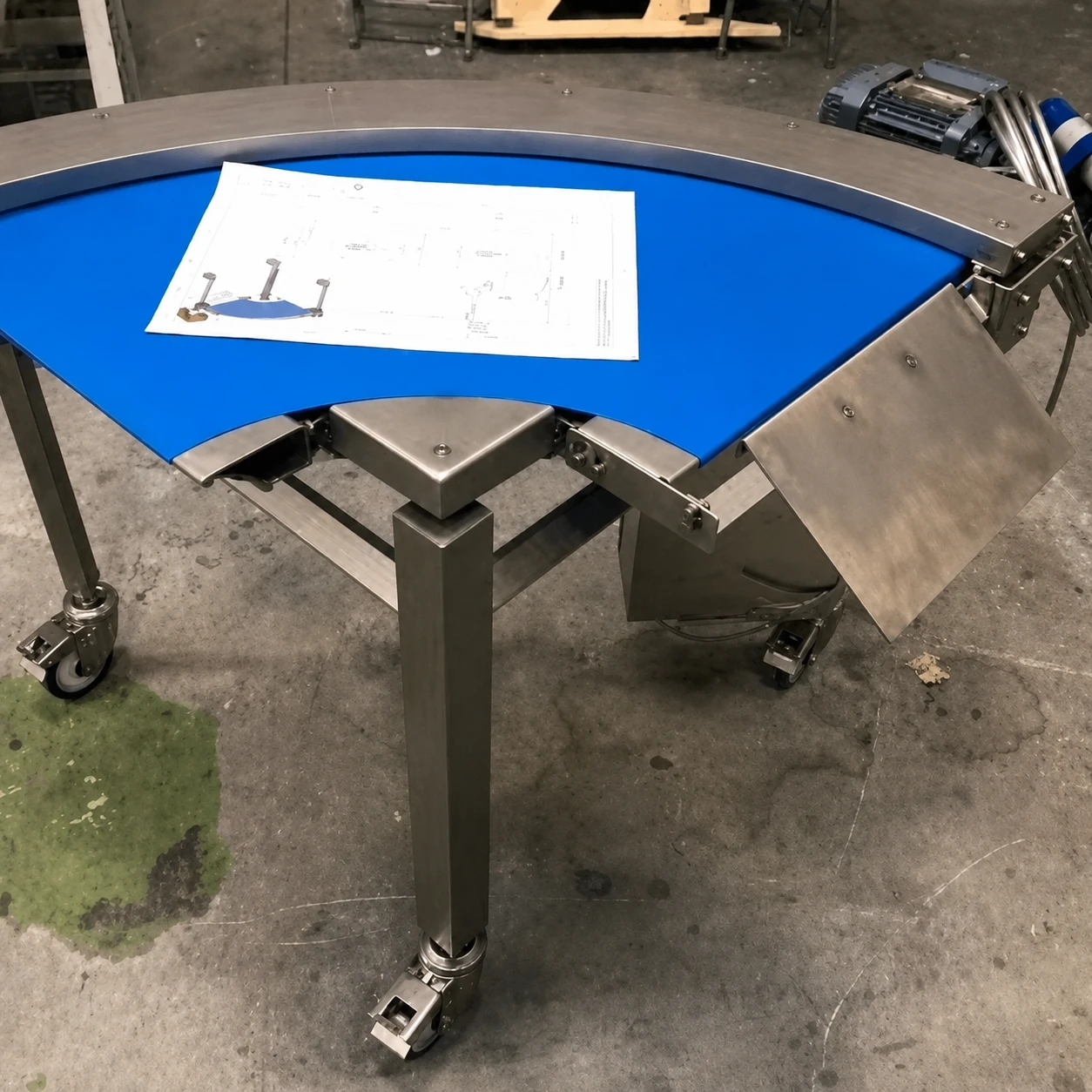
Straight runs, bends, twists and drive units all use the same chain and the same beam, so an aluminium slat line is assembled from a system rather than specified as a single machine. That is the real argument for it: when the product changes or the cell moves, sections come apart and go back together instead of being scrapped. To change level, spiral slat conveyors take product up gradually while vertical slat conveyors bridge height fast in a small footprint, and compact corner conveyors handle tight direction changes.

Where it fits against the alternatives

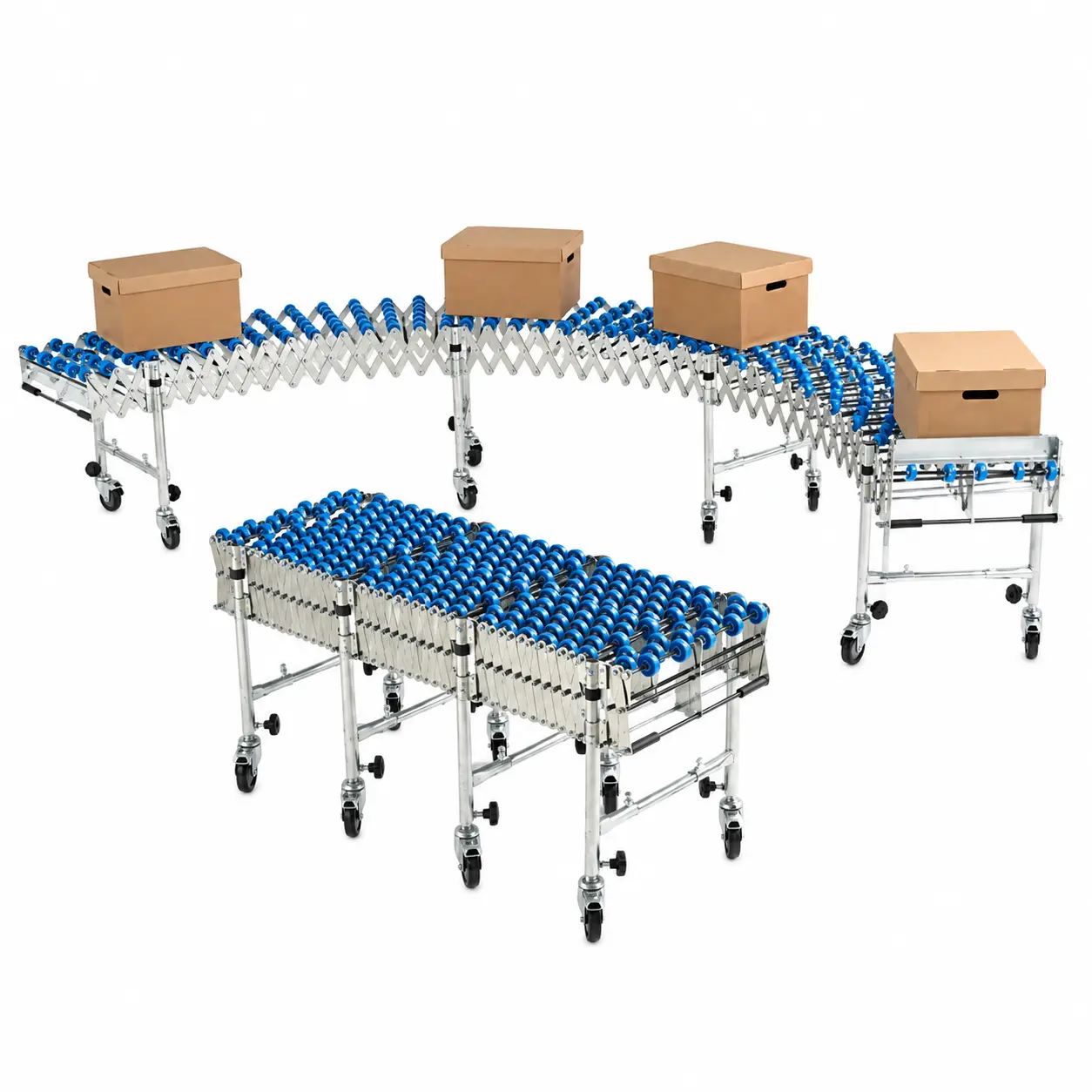
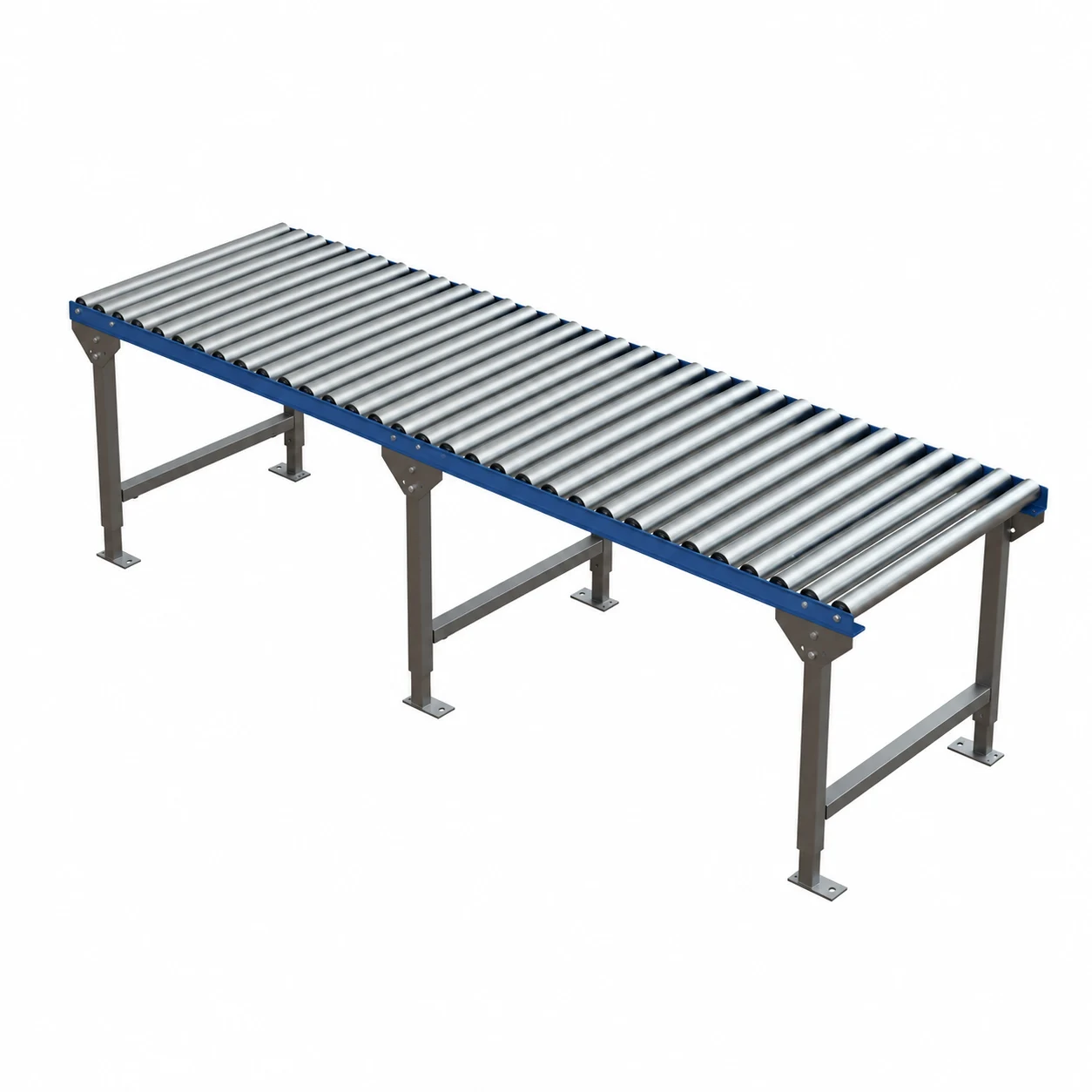
Slat chain suits products with a flat, stable base that need to be turned and accumulated. Where the base is uneven or the product is small enough to fall between links, modular belt conveyors give a continuous carrying surface. Where loads are heavy and travel in straight lines on pallets or totes, roller conveyor is cheaper per metre. LVP Automation specifies, installs and supports Carryline aluminium conveyors from Finglas, Dublin 11 as part of our wider automation services.

Specification

Types
S240 24 mm, S380 38 mm, S620 62 mm, S830 83 mm, S140 140 mm and S220 220 mm chain
Chain widths
24, 38, 62, 83, 140 and 220 mm, with profile widths of 40, 64, 86, 141 and 224 mm on the catalogue models
Maximum speed
80 m/min on S380, 60 m/min on S620, 50 m/min on S830, S140 and S240, 40 m/min on S220
Load
About 3 kg/m and 40 kg total on S380, 10 kg/m and 105 kg on S620, 20 kg/m and 200 kg on S830, S140 and S220
Horizontal bend radius
R200 mm on S380, R191 mm on S620, R150 mm on S830, R300 mm on S140, R600 mm on S220. The S240 is straight-line only
Vertical bend radius
R400 mm and R860 mm across the range
Traction force
420 N on S380, 500 N on S620, 1,250 N on S830, S140 and S220
Motor power
0.06 kW on S380, 0.18 to 0.37 kW on S620 and S830, 0.18 to 0.55 kW on S140 and S220
Materials
Anodised aluminium profiles with an acetal chain, and food-approved plastic chain on request
Limits
About 20 m maximum length per drive unit, 10 m on S380, -20 C to +60 C, under 70 dB(A)

Where the Aluminium Slat Conveyor Excels

Tight Footprints and Complex Paths

Slat-chain curves, inclines/declines and compact radii let you route product around machines and pillars without large turning spaces.

Fast Changeovers and Line Growth

The modular aluminium design enables quick reconfiguration, so you can add stations, reroute flow or extend lines with minimal disruption.

Clean, Controlled Transport

Even, continuous support for bottles, cartons, pouches and small parts; stable transfer under guides with smooth acceleration and stops.

FAQs about the Aluminium Slat Conveyor

Answers to common questions on loads, radii, hygiene, controls and when to choose slat-chain over other conveyor types.

What products suit aluminium slat conveyors best?

Bottles, cans, cartons, pouches and small components that benefit from continuous, stable support through curves and tight spaces.

Can they handle curves and elevation changes?

Yes, slat-chain excels at tight-radius curves and controlled inclines/declines, ideal for compact layouts.

How do these compare with modular belt or roller conveyors?

Slat-chain is superior for space efficiency and smooth guided transport; modular belt is stronger for washdown/hygiene; rollers are best for low-cost gravity or ZPA with MDR.

Are aluminium slat conveyors hygienic?

Aluminium frames are easy to wipe down. For high-hygiene/washdown, we recommend stainless constructions or modular belts designed for sanitation.

What are typical load capacities?

Suitable for light-to-medium duty items. We size chain width, drive and guides to your product weight and duty cycle.

Can they integrate with PLC/automation?

Yes, drives, sensors and stops connect to PLC/HMI for speed control, accumulation logic and line interlocks.

How tight can the curve radius be?

Depends on chain width and product dimensions. We’ll confirm minimum radii during design to ensure stable tracking and clearance.

What maintenance is required?

Routine cleaning, chain tension/inspection and checks on wear strips, guides and sprockets. Components are modular for quick replacement.

Are guard rails and side guides available?

Yes, adjustable guides, rails and combiner/divider sections are standard options to manage pack stability and spacing.

When should I choose a different conveyor?

For heavy pallets use pallet roller/chain; for washdown choose stainless/modular belt; for true ZPA pick 24V MDR.

Downloads

Similar Products

Let's Connect

Have a question about our conveyor systems or need a tailored automation solution for your business? Our team at LVP Automation is here to help. Fill out the form below with your details, and we’ll get back to you as soon as possible. Whether you need a quote, technical support, or more information on our products, we’re ready to assist.