Autonomous Mobile Robots – Lynx Series

The Lynx Series is specifically engineered to tackle the unique challenges of the automotive manufacturing industry, offering solutions designed for rapid deployment and a quick return on investment. Each model in the Lynx Series is built to integrate seamlessly into automotive production environments, streamlining operations and improving overall efficiency. With a focus on reliability and adaptability, the Lynx Series is tailored to support high-demand workflows in automotive settings.

Models
Lynx U1000, O1500
Maximum payload
Up to 1,500 kg
Towing hooks
One or two hooks
Robot dimensions
440 x 285 mm profile
Endurance
8 to 9 hours
Coverage and traffic plans before scale-upSpecified, installed and supported from Dublin 11
Built for takt
Predictable lineside delivery, not opportunistic routing
Tows your carts
Keep existing trolleys and returnable packaging
No floor works
Laser SLAM and visual, no rails or wires
Ireland-wide support
Specification, install and service from Dublin 11

Autonomous mobile robots for automotive explained

Why automotive is a different problem

Most warehouse AMR work is about orders. Automotive is about takt. Parts have to arrive at a station in a fixed rhythm, and a delivery that is early is nearly as disruptive as one that is late because it clutters the lineside. That changes what the fleet has to be good at: predictable timing and queue behaviour matter more than raw speed, which is why the Lynx is set up around scheduled mission sets rather than opportunistic routing.

01

Towing, not lifting

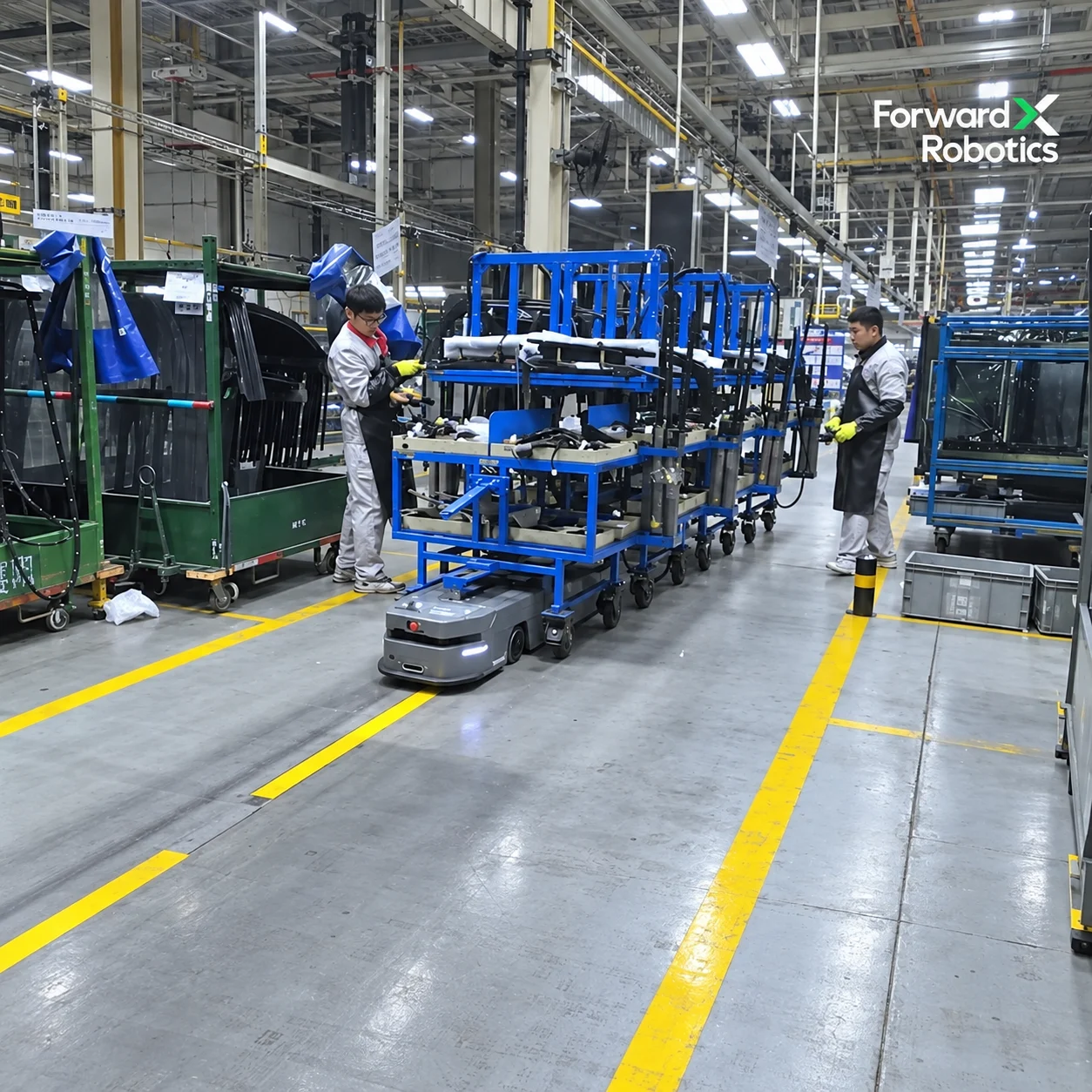
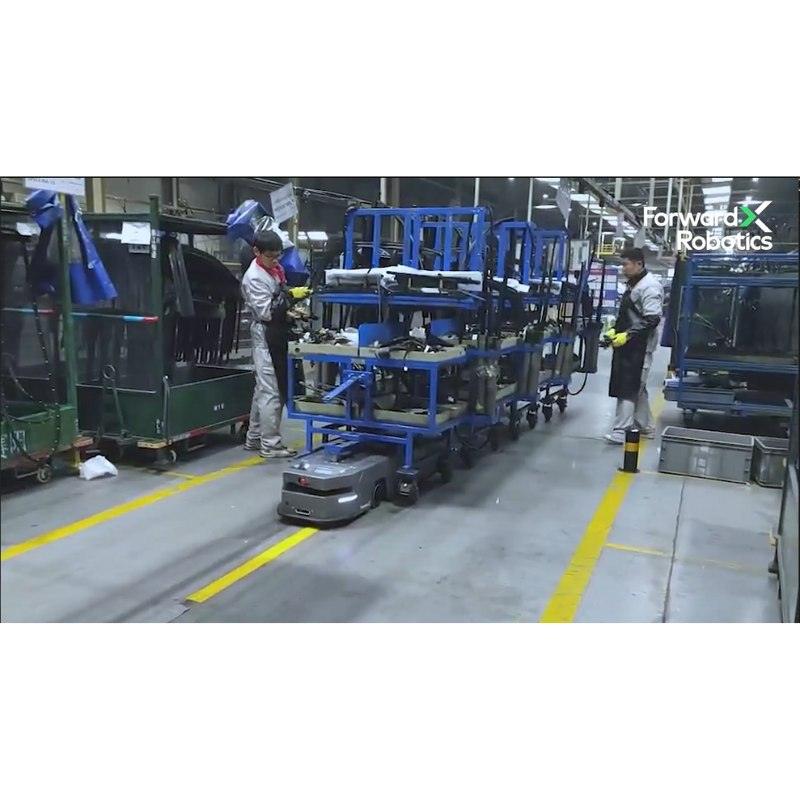
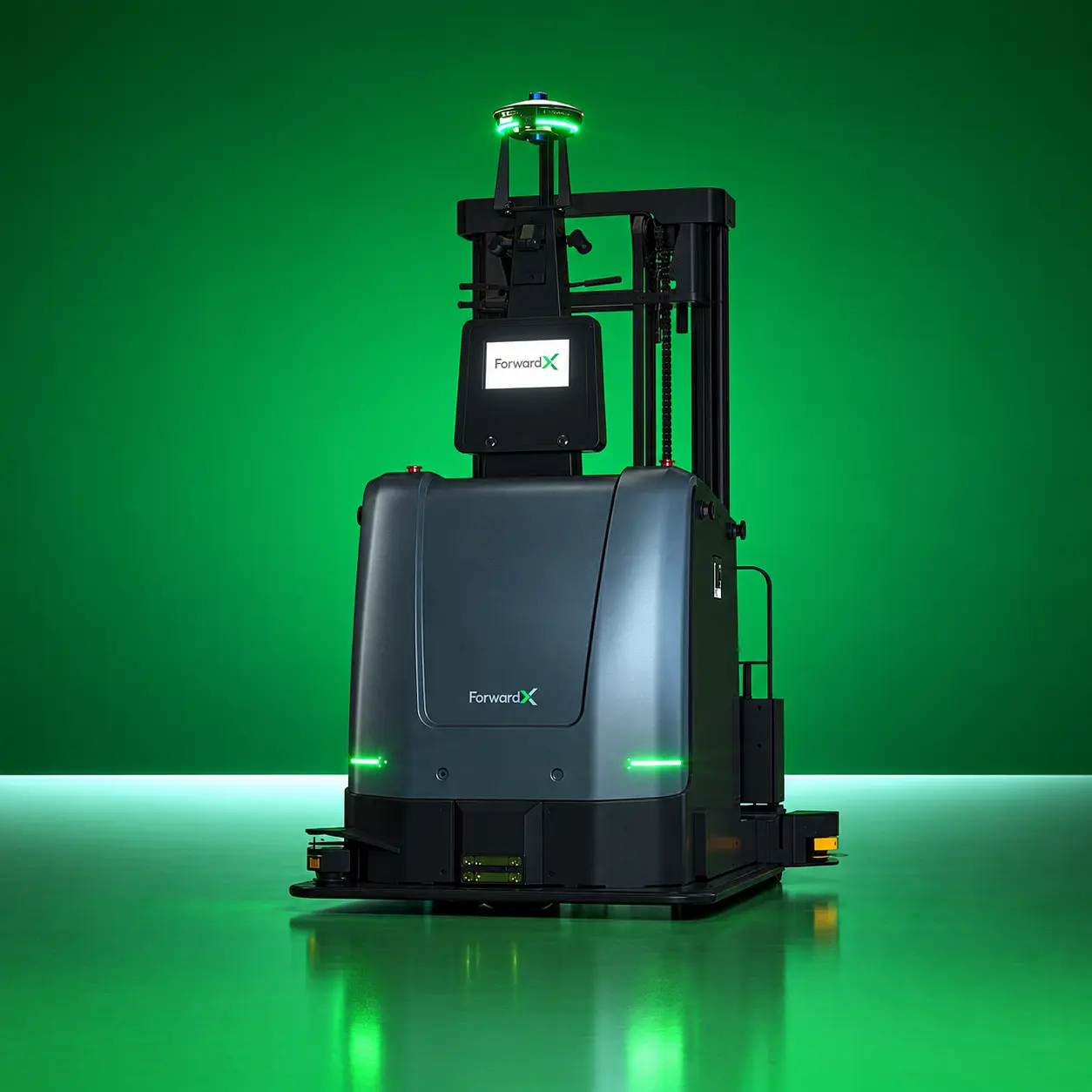
The Lynx pulls. The U1000 tows up to 1,000 kg on a single hook and the O1500 up to 1,500 kg on two, both on a low 440 x 285 mm profile that runs under and between existing trolleys and racks. Because the load stays on your own carts, you keep the fixtures and the returnable packaging you already have instead of redesigning them around the robot.
02

Navigation, and the featureless aisle

Positioning is laser SLAM and visual, using natural features, so there are no rails, no wires and nothing cut into the floor. Long, featureless runs and harsh lighting are the awkward cases, and optional QR code navigation covers those without committing the whole site to floor infrastructure. Path planning runs real-time optimal, road network or hybrid, so you can force robots onto defined routes in the areas where that matters and leave them free elsewhere.

03

Right of way in mixed traffic

A production aisle has people, manual forklifts and often existing AGVs in it. Safety-rated LiDAR and 3D vision create the protective fields, and speed limits, zone rules and right-of-way policies are enforced by the fleet manager rather than left to each robot. That last part is what stops a fleet from deadlocking at a junction once you have more than a handful of units.

04

One robot, several jobs

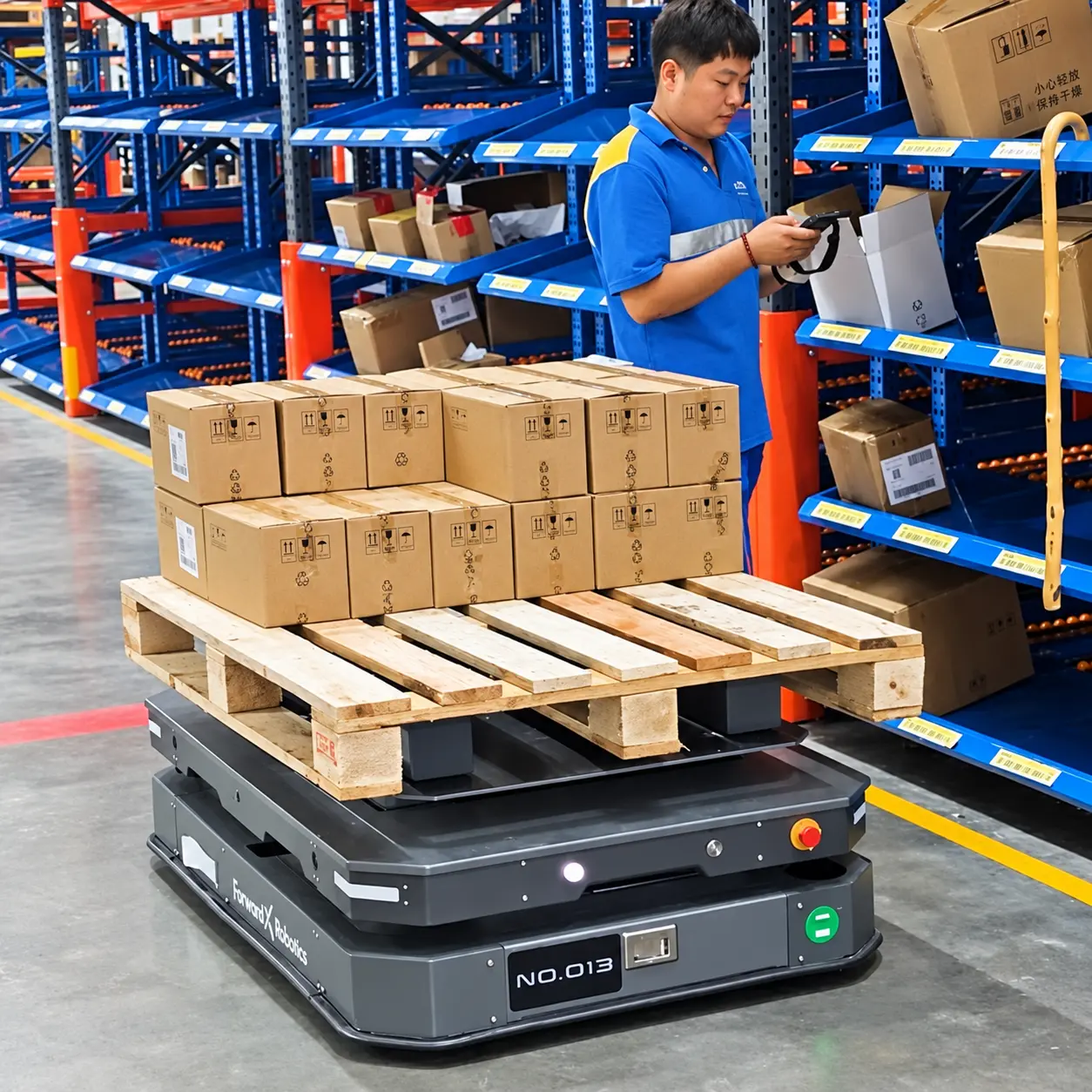
Modules swap: tugger, rack or shelf-lift, pallet mover and conveyor-top. A unit that runs kitting to the line during the day can move finished pallets to despatch on another shift, and time-based mission sets handle that switch without anyone reprogramming it. On a plant with uneven demand across shifts, that is usually where the utilisation comes from.

05

Charging and shift coverage

The U1000 runs around eight hours per charge and the O1500 around nine, on DC CC-VC auto-dock opportunity charging between missions rather than scheduled downtime. The question at design stage is not runtime but how many dock positions the layout needs, and where they sit so a charging robot is not blocking a route.

06

Where it sits in the range

Lynx tows. Where the job is carrying rather than pulling, the Flex Series handles 300 kg and 600 kg tote and shelf-lift work and the Max Series takes case and pallet moves up to 2,500 kg. Where pallets go in and out of racking at height, that is the Apex Series autonomous forklifts.

Deployment, integration and support

A pilot cell is mapped and missioned in days, then areas are layered on. Your MES, WMS or WES raises tasks by API and the fleet manager returns confirmations, timestamps and exceptions. The site needs reliable Wi-Fi, defined pick and drop points, safe aisles and charging positions, and we provide coverage and traffic plans as part of design. LVP Automation specifies, integrates and supports warehouse robotics from Finglas, Dublin 11 as part of our wider automation services.

Specification

Models
ForwardX Lynx U1000 and Lynx O1500
Maximum payload
1,000 kg towed on the U1000 and 1,500 kg on the O1500
Towing hooks
One hook on the U1000, two on the O1500
Robot dimensions
U1000 is 1,250 to 1,550 mm long (customisable) x 440 mm wide x 285 mm high; O1500 length is customisable at the same width and height
Endurance
Around 8 hours per charge on the U1000 and around 9 hours on the O1500
Tare weight
240 kg on the U1000 and 340 kg on the O1500
Positioning
Laser SLAM and visual, with optional QR code navigation for long or featureless aisles
Path planning
Real-time optimal, road network or hybrid
Charging
DC CC-VC auto-dock opportunity charging between missions
Modules and safety
Tugger, rack or shelf-lift, pallet mover and conveyor-top modules; safety-rated LiDAR and 3D vision with dynamic protective fields and zone speed rules

Where the Lynx Series Excels

Lineside Replenishment & Kitting

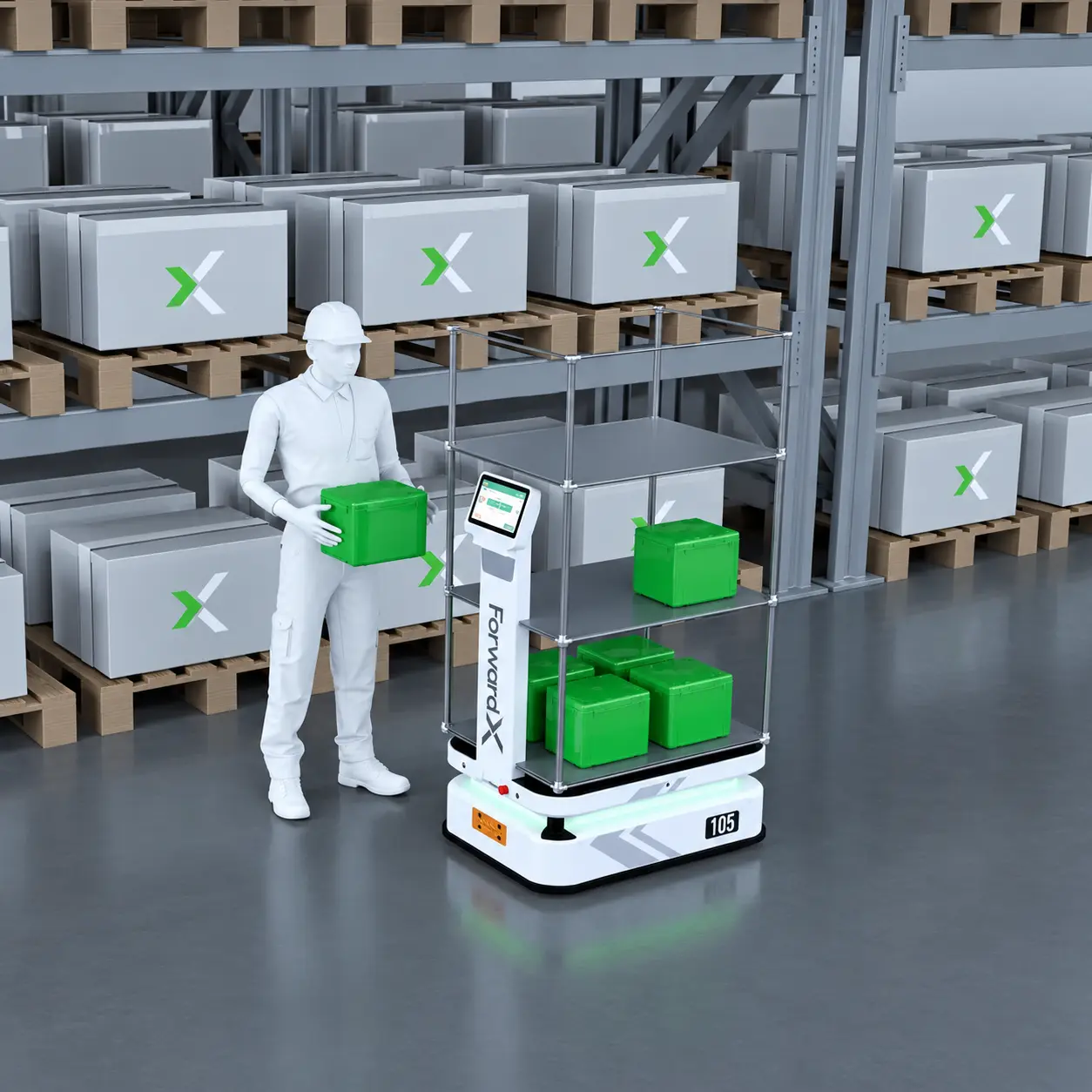
Auto-dispatch kits, totes and racks from supermarkets to workstations on takt. AMRs queue intelligently and signal operators for hands-free exchange.

Intralogistics & Work-Cell Bridging

Point-to-point moves between machining, welding, assembly and paint—swap modules (tugger, shelf-lift, conveyor-top) to match each route.

End-of-Line & Packout

Move finished goods, WIP pallets and returnables to inspection, pack and despatch with predictable timing and fewer forklift conflicts.

FAQs about the Lynx Series AMRs

Quick answers on safety, payloads, navigation, IT requirements, integration and ROI for automotive deployments.

What payloads can Lynx AMRs handle?

Models span tote/rack moves to pallet handling (typ. 200–1,000+ kg depending on module). We size models and routes to your loads.

Do they need floor markers or reflectors?

Not usually. SLAM uses natural features; optional fiducials can be added in long, featureless aisles or harsh lighting.

How do AMRs stay safe around people, AGVs and forklifts?

Safety-rated LiDAR and 3D vision create protective fields; speed/zone rules and right-of-way policies are enforced by the fleet manager.

How fast can we deploy?

Pilot cells are typically mapped and missioned in days. Additional areas and missions are layered on incrementally.

How do missions get created and tracked?

Your MES/WMS/WES raises tasks via API; the fleet manager assigns missions, then returns confirmations, timestamps and exceptions.

Can one robot do multiple tasks?

Yes—swap modules (tugger ↔ shelf-lift ↔ conveyor-top) or assign time-based mission sets to cover shifts and peaks.

What IT/infrastructure is required?

Reliable Wi-Fi, defined pick/drop points, safe aisles and charging spots. No rails or wires. We provide coverage and traffic plans.

How is charging managed?

Auto-dock smart charging between missions (opportunity charging) maintains uptime and battery health.

What maintenance is needed?

Routine checks on wheels, sensors and modules; software updates and remote diagnostics. Planned maintenance keeps OEE high.

What ROI can we expect?

Typical savings: reduced walk/drive time, fewer damage incidents, fewer forklifts and faster changeovers—often paying back within 12–24 months depending on shifts and volume.

Downloads

Similar Products

Let's Connect

Have a question about our conveyor systems or need a tailored automation solution for your business? Our team at LVP Automation is here to help. Fill out the form below with your details, and we’ll get back to you as soon as possible. Whether you need a quote, technical support, or more information on our products, we’re ready to assist.