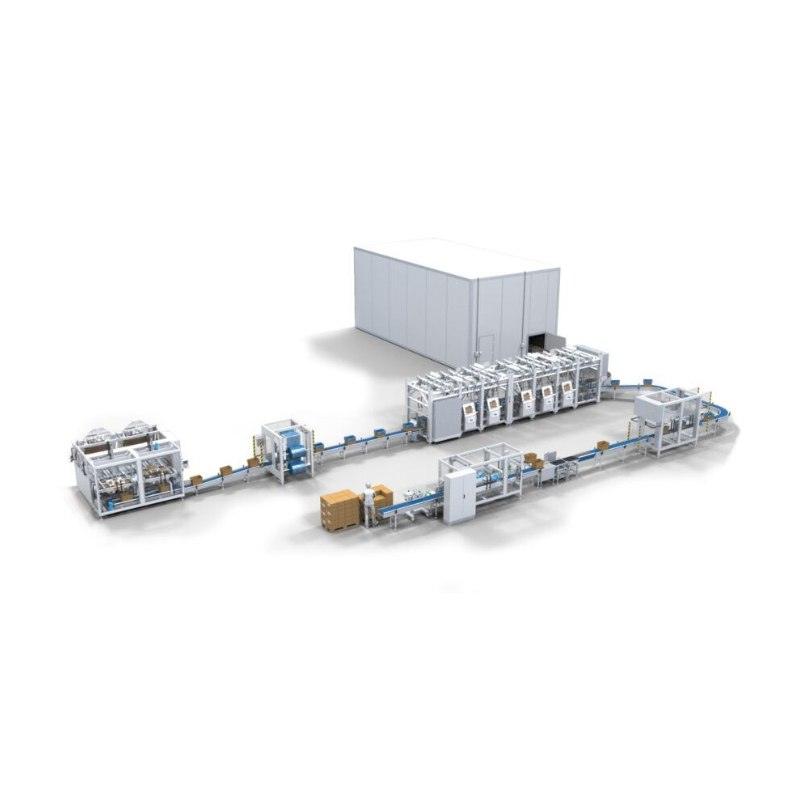
Complete Packaging Lines

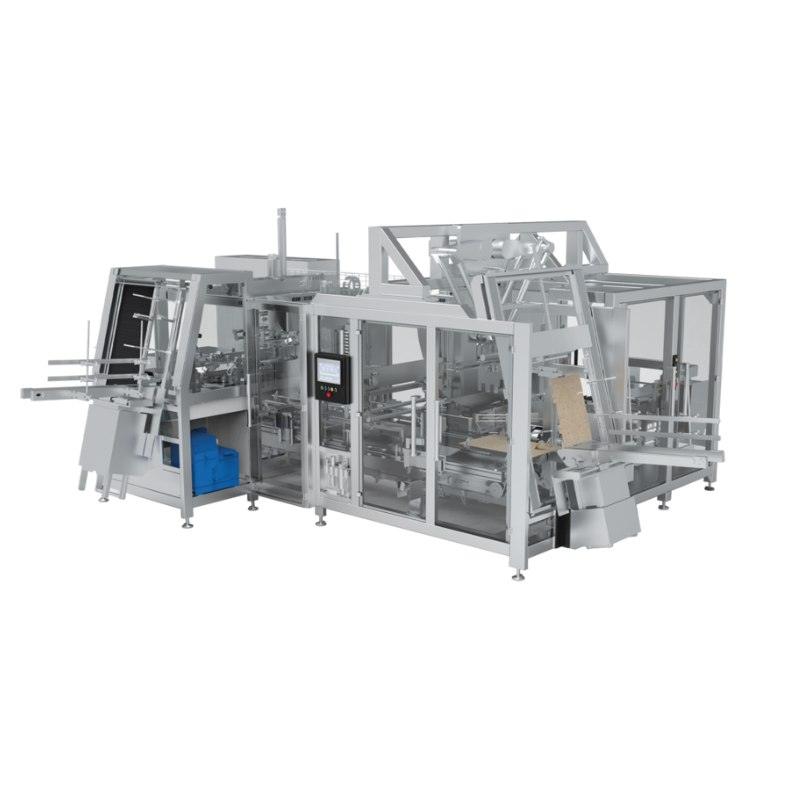
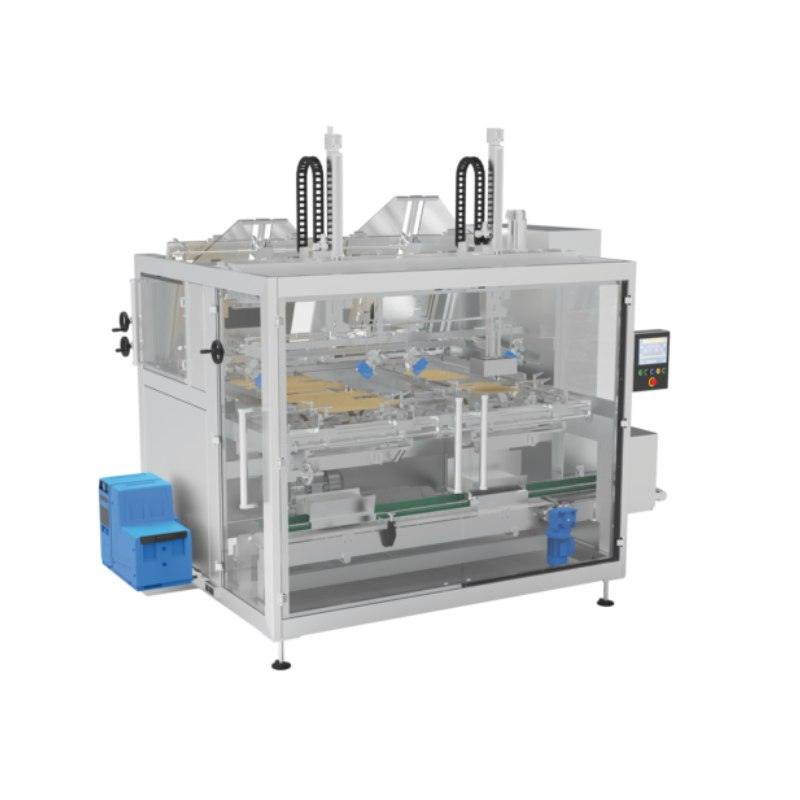
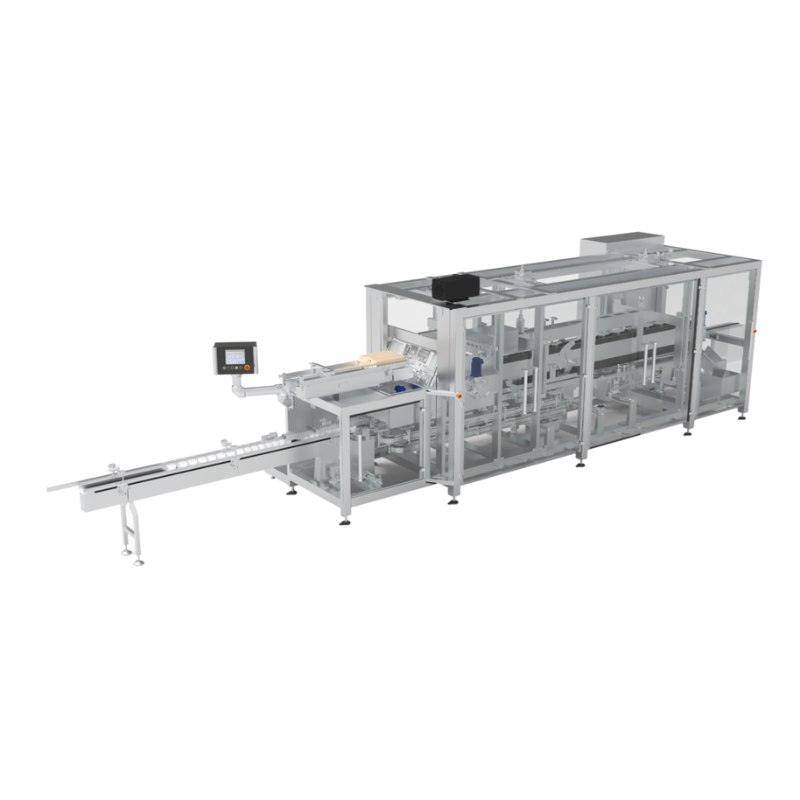
Vimco specialises in designing fully customised production lines that meet specific customer requirements through advanced technologies and precise engineering. Each complete line is tailored to ensure seamless integration and uniform operation across all machines, optimising efficiency and consistency throughout the production process. With streamlined project management, rapid aftersales service, and dedicated support teams, Vimco’s complete lines provide a reliable, all-in-one solution for businesses seeking comprehensive production capabilities.

  • Design, build, install and commissioning
  • Your existing machines integrated
  • One PLC and HMI across the line
  • FAT, SAT, training and documentation
Line rates modelled before you commitSpecified, installed and supported from Dublin 11
One supplier
Design, build, controls and support in one scope
Balanced by design
Machine rates and buffers matched to takt
Vimco engineering
Lines built around your product and format
Ireland-wide support
Specification, install and service from Dublin 11

Complete packaging lines explained

What a complete line actually includes

The machines are the visible part and the smallest part of the decision. A complete line covers line design, the machines themselves, controls, safety, installation, commissioning, training and documentation, with utilities and building interfaces where they are needed. Buying machine by machine leaves the integration work with you, and that is where projects usually slip. One scope means one party responsible for the line hitting its rate, not five parties each certain their own machine is fine.

01

Line balance is the whole game

A line runs at the speed of its slowest module, and every machine faster than that is only producing a queue. Balancing means matching machine rates to a common takt and putting buffering where the variation is, so a short stop upstream does not empty the downstream machines. Surge capacity is what absorbs the ordinary chaos of a real shift. Get this wrong and you have bought throughput on paper that the line never delivers on the floor.

03

Robots and loading units

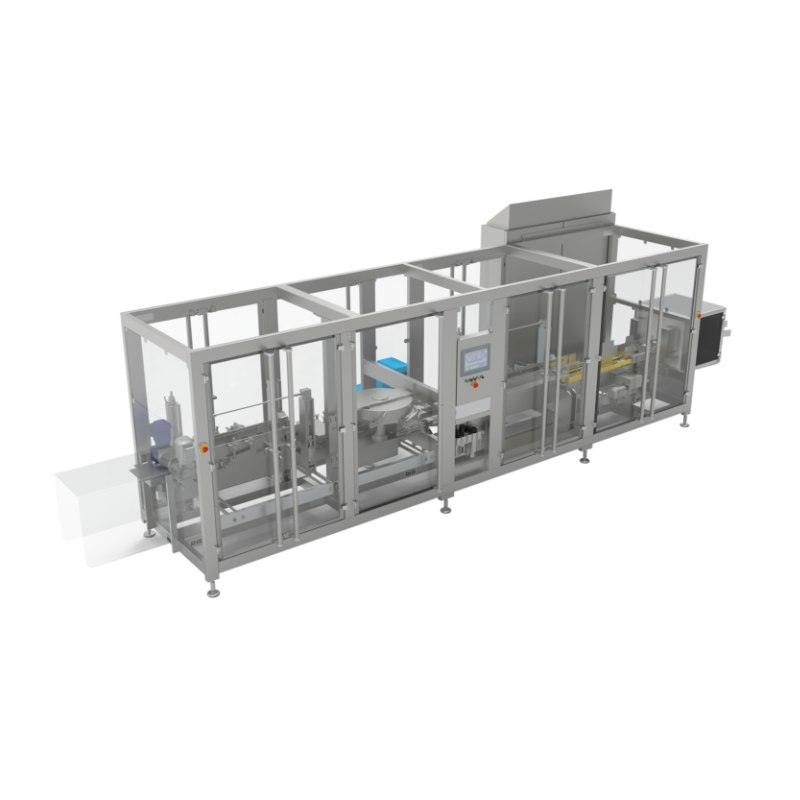
Vimco build two and three axis robots for product positioning, with loading units available in robotic or automatic form. The choice between them is usually about format range rather than speed: a robot handles a wider spread of products and future formats, while a dedicated automatic loader is simpler and cheaper when the format is settled and unlikely to change. Worth deciding with a five year view rather than the current SKU list.

04

Inspection, coding and rejection

Weight control, vision systems and ejection of non compliant product can be integrated at whichever point in the line makes sense, alongside labelling, coding and printing. Catching a fault early costs one pack. Catching it after case packing costs a case, and after palletising it costs a pallet, so the position of the check matters as much as the check itself.

05

One control system, not five

A centralised PLC and HMI with zone control is what turns separate machines into a line. Recipe management holds the settings per product, safety circuits are designed as one system rather than five interlocked islands, and links to SCADA, MES or WMS give you the data and traceability. Operators learn one interface. That single point matters more for day to day running than most specification sheets suggest.

06

Changeovers, new SKUs and awkward footprints

Recipe based settings, quick change parts and guided changeover steps are what keep downtime low when the line runs several products a day, and they are also what makes adding a SKU straightforward rather than a project. Where the building is the constraint, vertical and spiral elevation, compact cells and custom conveyors recover the space, validated in CAD and with simulation where the layout justifies it.

Existing equipment, and what happens after handover

Machines you already own can usually be brought in where interfaces are available, aligning electrical and mechanical specifications and adding the PLC and HMI handshakes. Handover is FAT and SAT protocols, functional design specification, electrical drawings, manuals, spares lists and maintenance schedules. After that it is preventative maintenance, remote diagnostics, spares and upgrade paths. LVP Automation designs, integrates and supports complete lines from Finglas, Dublin 11 as part of our wider automation services.

Where the Complete Line Excels

Tailored End-to-End Integration

From forming, loading and sealing to labelling, case packing, palletising and inspection, we engineer one connected system with common controls and HMIs.

Project Management & Delivery

Clear milestones, FAT/SAT, training and documentation keep the project on time and de-risk commissioning, so you hit target throughput faster.

Lifecycle Support

Preventative maintenance, remote diagnostics, spares and upgrade paths keep OEE high and extend the life of your investment.

FAQs about the Complete Line

The essentials on scope, machines, integration, controls, validation and timelines for turnkey lines.

What’s included in a complete line scope?

Line design, machines, controls, safety, installation, commissioning, training and documentation, plus optional utilities and building interfaces.

Can you integrate third-party equipment we already own?

Yes, provided interfaces are available. We align electrical/mechanical specs and add the necessary PLC/HMI handshakes.

Which machines can be included?

Any combination needed: forming/cartoning, sleeving, tray sealing, VFFS, print & apply, label applicators, inspection, case packing, palletising and conveyors.

How do you ensure the line is balanced?

Through simulation, buffering strategy and matched machine rates, so upstream/downstream modules run at a common takt with surge capacity.

What controls architecture do you use?

Centralised PLC/HMI with zone control, recipe management, safety circuits and links to SCADA/MES/WMS for data and traceability.

Can the line meet food/pharma compliance?

Yes, hygienic designs, material choices, audit trails, barcode/UDI, code grading and validation support are available.

How do you handle small footprints or difficult layouts?

We optimise with vertical/spiral elevation, compact cells and custom conveyors, validated with CAD and (where useful) simulation.

What about changeovers and new SKUs?

Recipe-based settings, quick-change parts and guided changeover steps keep downtime low and make SKU additions straightforward.

What documentation is supplied?

P&IDs, electrical drawings, functional design spec, FAT/SAT protocols, manuals, spares lists and maintenance schedules.

What are typical lead times?

Lead time depends on machine mix and validation scope. We provide a project plan with clear milestones from design to SAT and handover.

Downloads

Similar Products

Let's Connect

Have a question about our conveyor systems or need a tailored automation solution for your business? Our team at LVP Automation is here to help. Fill out the form below with your details, and we’ll get back to you as soon as possible. Whether you need a quote, technical support, or more information on our products, we’re ready to assist.