
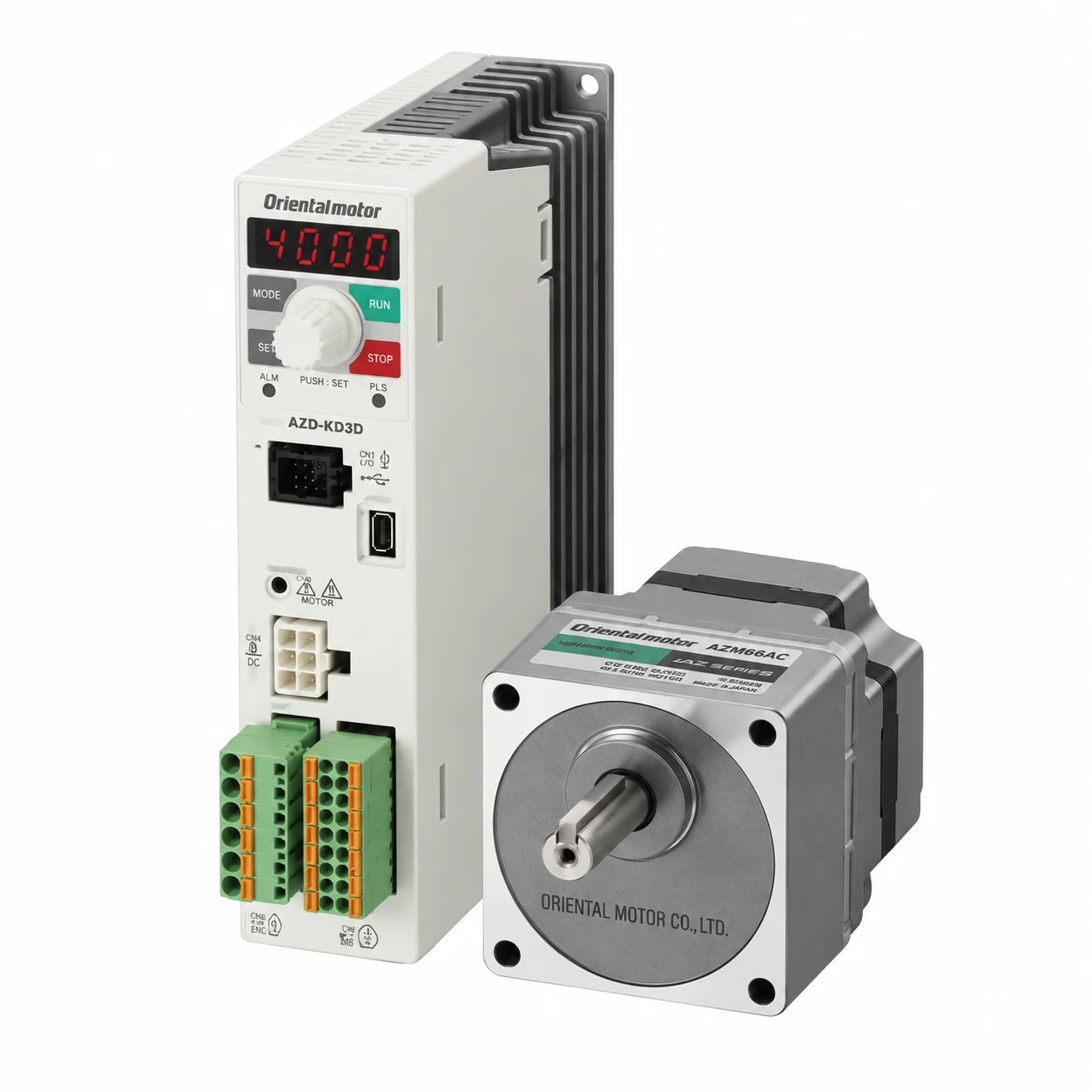
Brushless DC Motors

Brushless DC motors hold a set speed efficiently and quietly, with stable torque at low speed and electronic feedback that keeps the rate steady as the load varies. Integrated drivers take analogue, digital I/O or fieldbus control, and matched parallel, planetary or right-angle gearheads raise torque in a compact package. LVP Automation is the Irish agent for Oriental Motor, sizing, selecting and supporting from Dublin.

Brand
Oriental Motor
Series
BMU, BLE2 and BLV
Speed range
Wide, series-dependent
Speed regulation
Holds speed under load
Control interface
Analogue / I/O / fieldbus
Sized and selected for your load and duty cycleIrish agent for Oriental Motor
Wide speed control
Steady regulation from very low rpm upwards
Efficient and cool running
Low heat rise, long service life, low maintenance
Compact gearmotors
Parallel, planetary and right-angle options
Ireland-wide support
Sizing, selection and commissioning from Dublin 11

Brushless DC motors explained

What a brushless DC motor does

A brushless DC motor turns at a speed you set and holds it, using electronic commutation instead of brushes. Removing the brushes removes the part that wears, which is why a BLDC runs cooler, lasts longer and asks for less maintenance than the brushed or induction motors it usually replaces.

It is a speed device rather than a positioning one. Where a stepper is asked to stop in an exact place, a BLDC is asked to keep a conveyor, fan or feeder running at a steady rate for a whole shift, and to hold that rate when the load on it changes.

01

BLDC, stepper or servo

Choose BLDC for efficient, continuous speed control. Choose a stepper where the job is precise positioning and holding torque. Choose a servo where the dynamics are high and the load varies sharply. Most of the specification argument is settled by deciding which of those three the axis actually needs before anything is sized.
02

Speed range and regulation

The range is model-dependent, running from very low rpm up to several thousand rpm with stable regulation across it. The more useful property for most lines is that electronic feedback holds the set speed through moderate load variation, so metres per minute stay consistent as product loads and unloads.

03

Replacing an AC induction motor

A BLDC can often take the place of an induction motor directly, and usually brings better efficiency, tighter speed regulation and a smaller package at comparable output. Where a line is running an induction motor on a variable frequency drive purely to vary speed, that is normally the clearest case for changing.

04

Control and drivers

Drivers are supplied with the motor and accept analogue speed input from a potentiometer or voltage signal, digital I/O for start, stop and direction, and fieldbus on some series. Soft start and stop are configured at the driver, which is also where speed holding behaviour is set.

05

Gearheads, torque and footprint

Parallel, planetary and right-angle gearheads are matched to the torque, backlash and life the mechanism needs. The combination is what keeps a motor and gearbox short enough to fit inside a panel or frame while still delivering usable torque at low speed.

06

Brakes, encoders and continuous duty

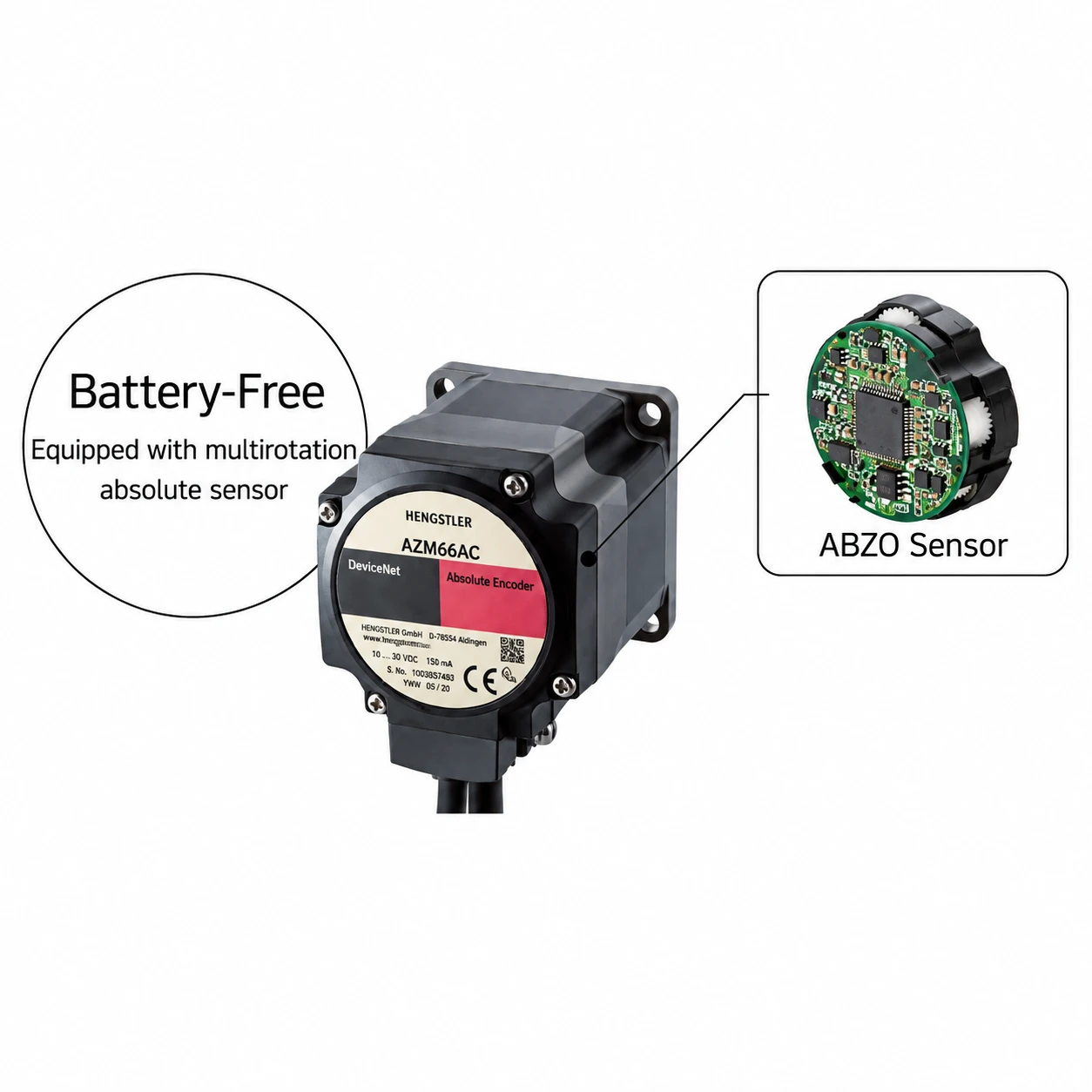
Holding brakes are available where an axis is vertical and has to stay put when power is removed. Encoders can be added for speed feedback and monitoring. Correctly sized, these motors suit continuous operation, with a lower heat rise than many of the alternatives.

Where BLDC motors sit in a machine

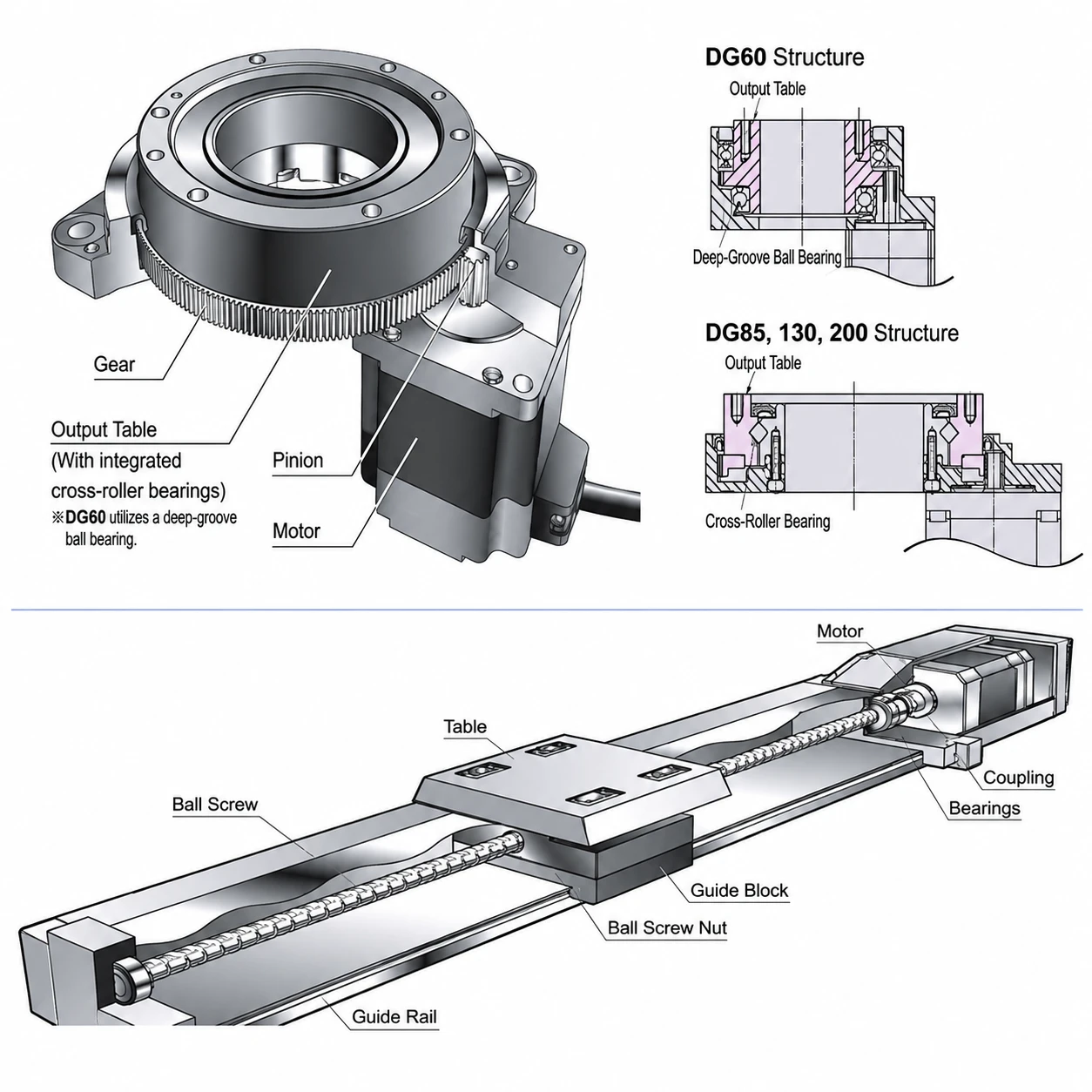
Speed is only half the specification. The motor has to match the load, the duty cycle and the ambient conditions, and its driver has to match your panel standard and available mains, all of which is settled during selection rather than after delivery. Where an axis needs to stop in a defined position rather than run at a rate, stepper motors are the better answer, and actuators and motion systems cover linear strokes.

LVP Automation is the Irish agent for Oriental Motor, founded in 1885 and the oldest motor manufacturer in Japan, with its European operation established in Dusseldorf in 1982. We size and select the motor, gearhead and driver, quote lead times, and support commissioning and after-sales from Finglas, Dublin 11, as part of our wider automation services. Oriental Motor applications covers where these products are used across Irish industry.

Specification

Brand
Oriental Motor. LVP Automation is the Irish agent
Series
BMU, BLE2 and BLV
Speed range
Model-dependent, from very low rpm to several thousand rpm
Speed regulation
Electronic feedback holds the set speed through moderate load variation
Control interface
Analogue by potentiometer or voltage, digital I/O for start, stop and direction; fieldbus by series
Gearheads
Parallel, planetary or right-angle, matched to torque, backlash and life
Brakes
Holding brakes available for vertical axes
Encoders
Optional, for speed feedback and monitoring
Duty
Suited to continuous operation when correctly sized, with low heat rise
Support
Sizing, selection, quotes and lead times, commissioning guidance and after-sales support from Dublin 11

Where BLDC Motors Excel

Small Conveyors & Indexing

Tightly regulated speed with V/f-free electronic control keeps metres-per-minute consistent for filling, labelling and coding.

Fans, Pumps & Mixers

High efficiency with steady torque at operating speed reduces energy use and improves process stability.

Compact Machines & OEM Builds

Shorter motor + gearbox packages free space inside panels and frames while delivering the torque your mechanism needs.

FAQs about Brushless DC Motors

Quick answers on selection, control, gearboxes, duty cycle and support in Ireland.

When should I pick BLDC over a stepper or servo?

Choose BLDC for efficient, continuous speed control. Use steppers for precise positioning/hold torque; servo for high dynamics and variable loads.

What speed range can I expect?

Model-dependent, typically from very low RPM up to several thousand RPM with stable regulation across the range.

Can BLDC hold speed under load changes?

Yes—electronic feedback maintains set speed despite moderate load variation (ideal for conveyors and feeders).

Do you supply matched gearheads?

Absolutely—parallel, planetary or right-angle gearboxes matched to torque, backlash and life requirements.

How do I control the motor?

Via the supplied driver: analogue (pot/voltage), digital I/O (start/stop, fwd/rev), and fieldbus options depending on series.

Are brakes and encoders available?

Yes—holding brakes for vertical axes and encoder options for speed feedback/monitoring (model-dependent).

What about power and voltage?

Multiple supply options are available; we’ll align the driver to your panel standards and local mains.

Are BLDC motors suitable for continuous duty?

Yes—sized correctly, BLDCs are excellent for continuous operation with lower heat rise than many alternatives.

Can BLDC replace my AC induction motor?

Often yes—expect improved efficiency, tighter speed regulation and a smaller package at comparable output.

What support do you provide in Ireland?

LVP will size/select the motor/gear/driver, provide quotes/lead times, commissioning guidance and local after-sales service.

Downloads

Similar Products

Let's Connect

Have a question about our conveyor systems or need a tailored automation solution for your business? Our team at LVP Automation is here to help. Fill out the form below with your details, and we’ll get back to you as soon as possible. Whether you need a quote, technical support, or more information on our products, we’re ready to assist.