Automated Machine Tending

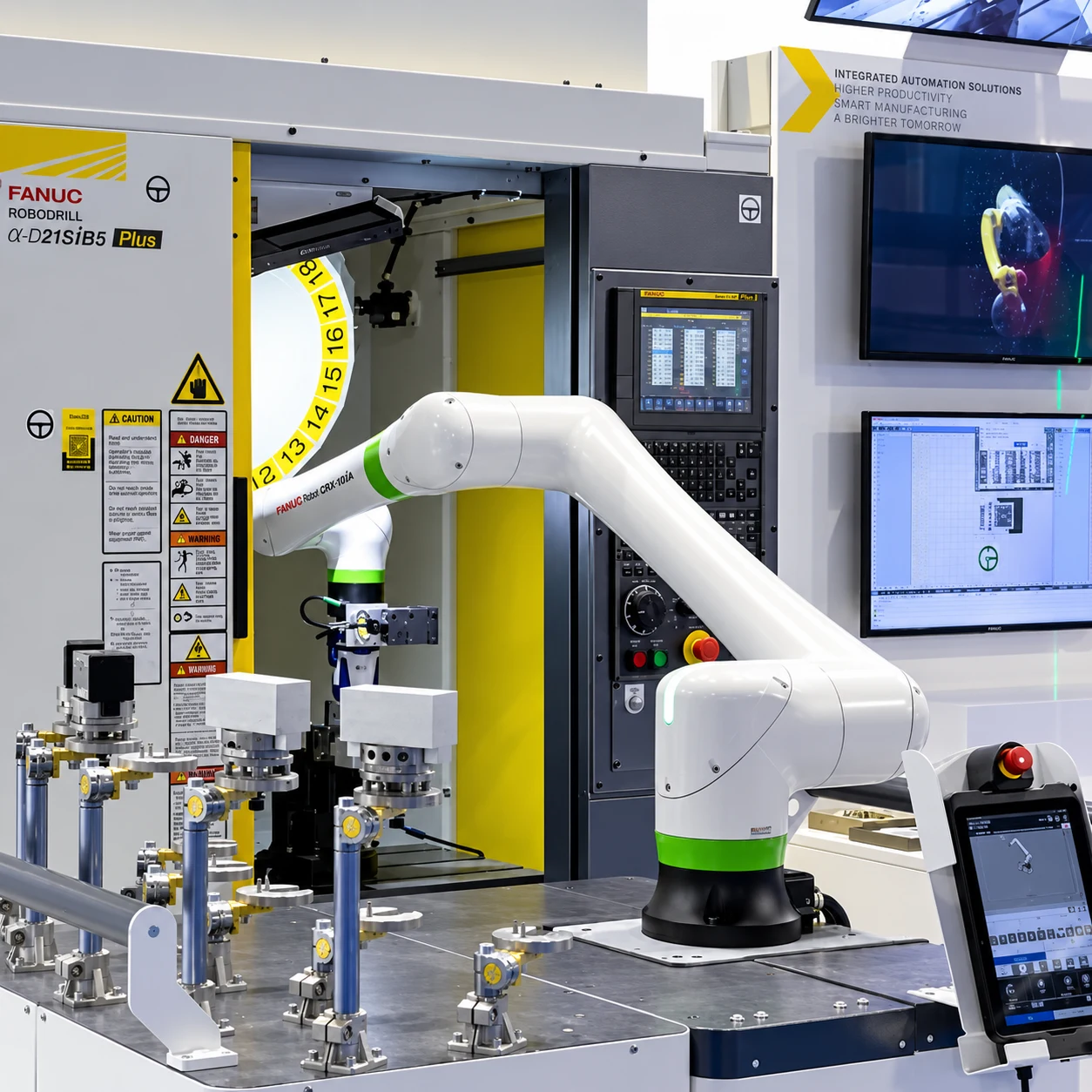
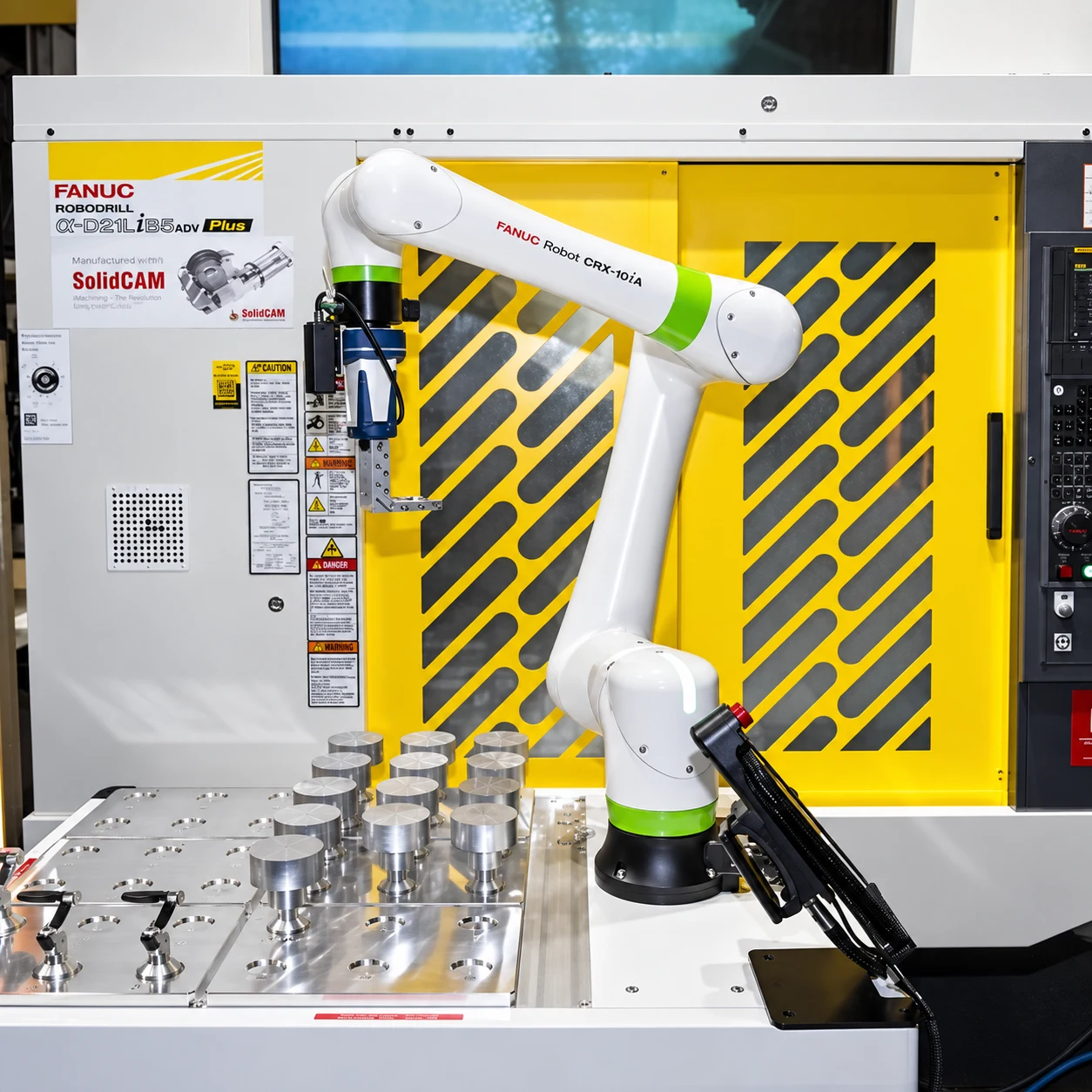
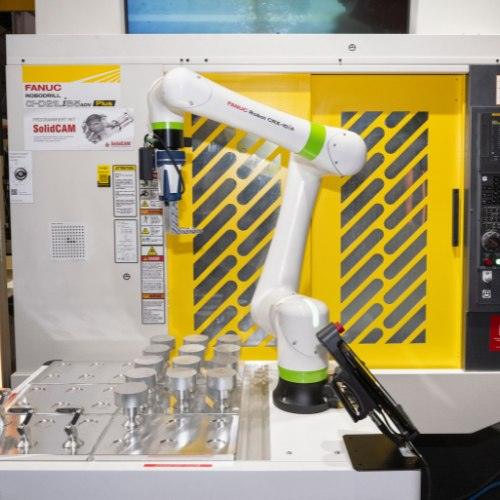
Robotic machine tending cells that load and unload CNC machines, presses, moulding machines and casting or cutting operations. Fanuc robots keep the machine cycling with faster part exchange and consistent timing, in CE guarded cells sized around your machine.

Robots
Fanuc robots
Machines tended
CNC, IMM, presses
Typical tasks
Load, unload, deburr
Parts suited
Machined to moulded
End of arm tooling
Grip, vacuum, magnet
Balanced to your machine cycle, not the armGrippers proven on your actual parts

Robotic machine tending explained

What the robot is actually doing at the machine

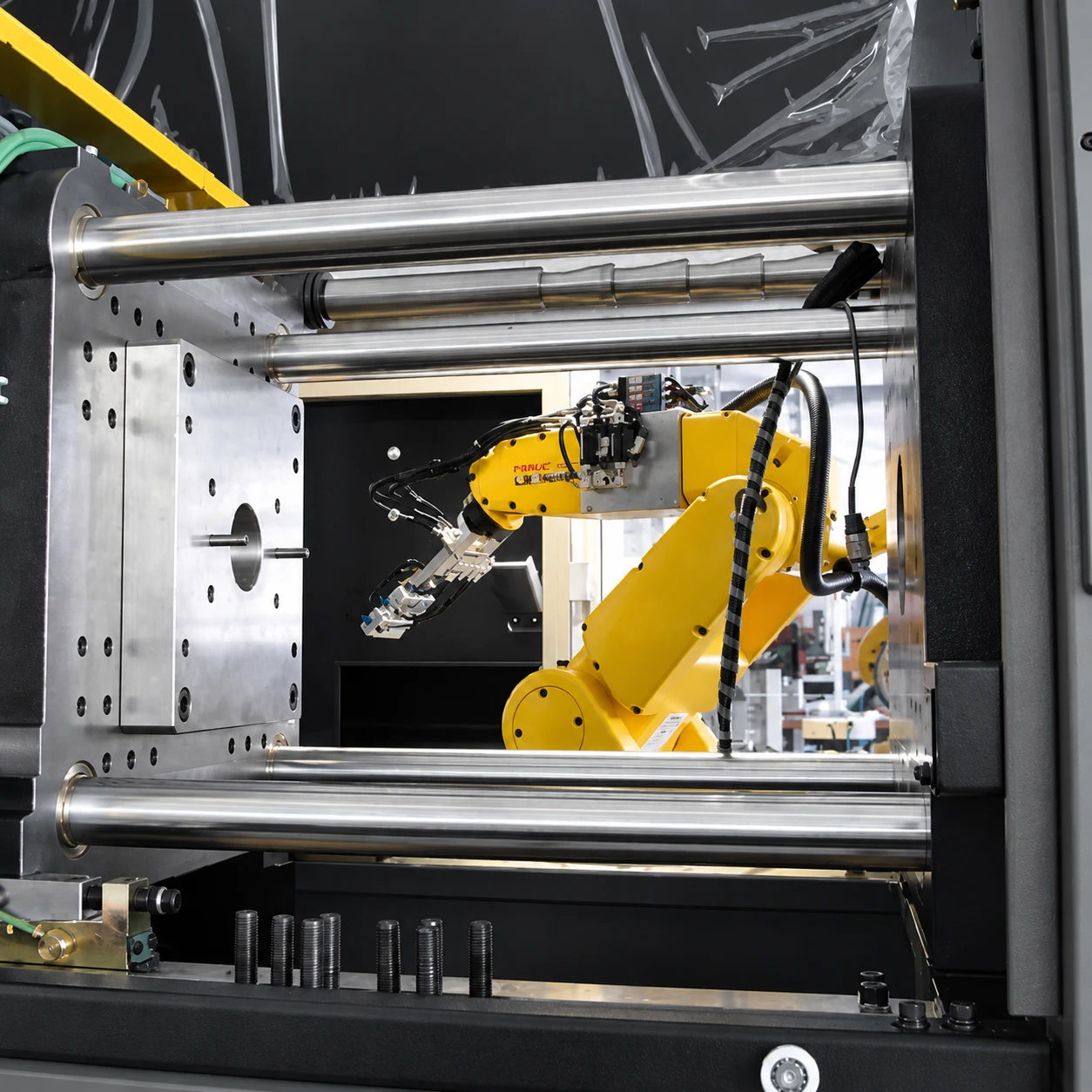
Machine tending is the job of loading a part into a machine, waiting for the cycle, taking the finished part out and presenting the next one. Typical duties are CNC loading and unloading, press tending, injection moulding take-out, sand casting and cutting, deburring, small parts assembly, inspection and pack-out. The value is not that a robot is quicker than a person on any single exchange. It is that it does the exchange the same way at 3am as it does at 9am, which is what turns an unpredictable machine into a predictable one.

01

Uptime is the point, not robot speed

The number worth optimising is overall equipment effectiveness, not how fast the arm can move. A tending cell earns its money by keeping the spindle cutting or the moulding machine cycling, through faster part exchange, consistent timing and fewer micro stoppages. That means the robot is sized against the machine cycle, not the other way round. There is no benefit in an arm that finishes its move and then waits, and no point in a machine sitting idle while the robot catches up. Balancing the two is most of the engineering work in a tending cell.
02

Grippers are where the part specific work happens

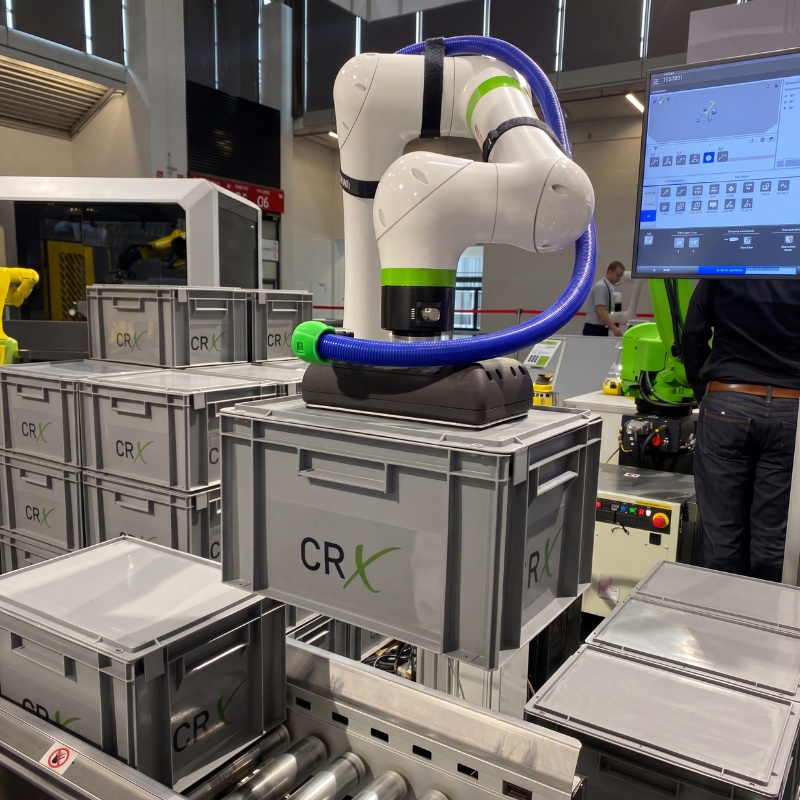
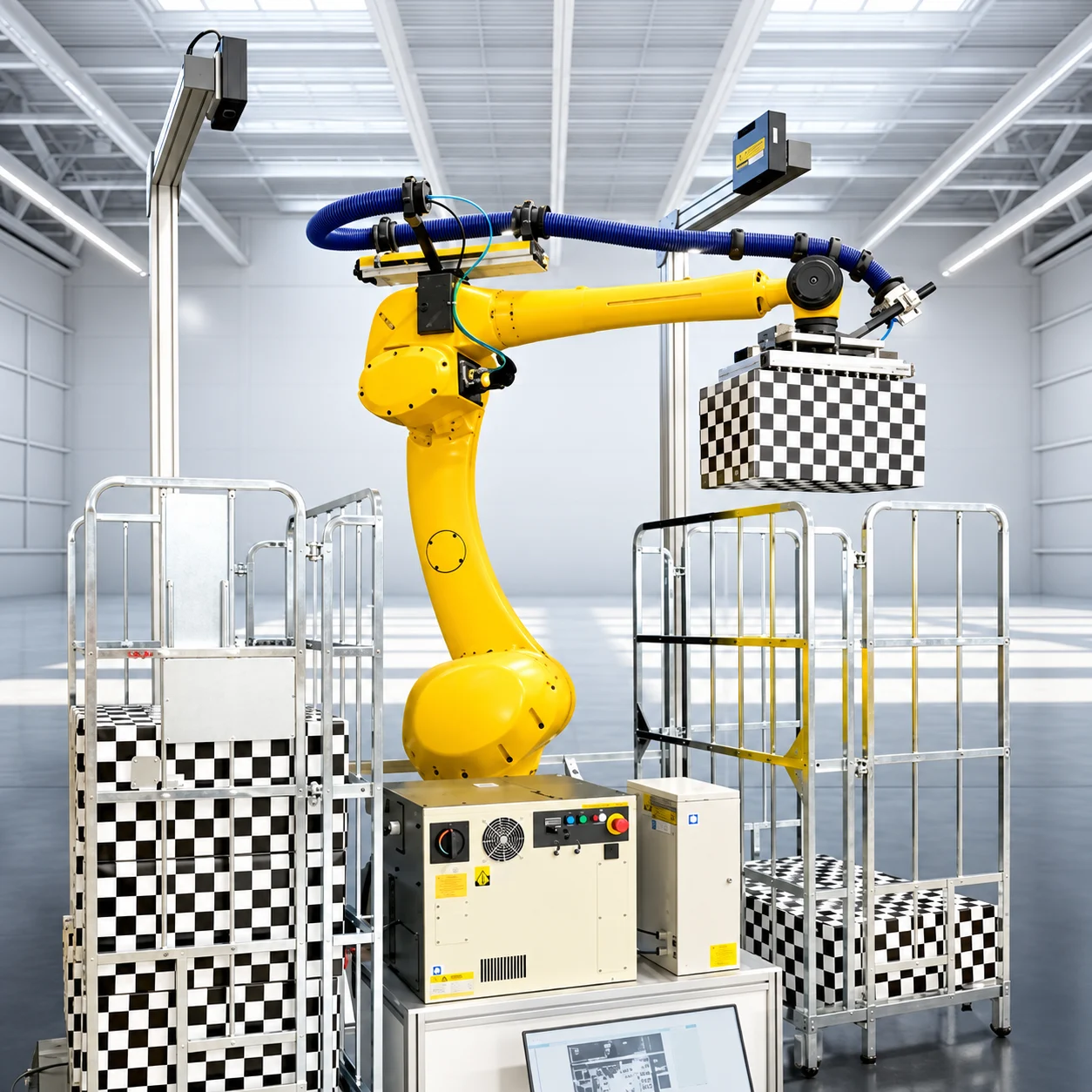
End of arm tooling is chosen for the part: grippers, vacuum, magnetic and dual grip swaps that hold the raw part in one jaw and the finished part in the other, so a single move can unload and reload. Parts that suit robotic tending are machined components, moulded parts, castings and small assemblies with predictable pick surfaces. Anything oily, hot, sharp edged or fragile after machining needs the tooling proven against real samples before the cell is built, because a gripper that marks the finished face turns a productivity project into a scrap problem.

03

Vision, and when trays are enough

Vision is not always needed. Fixtures and trays work well where the part arrives in a known position, and they are cheaper to own and simpler to keep running. Two and three dimensional vision is added where parts are loose or variably oriented, where orientation has to be checked before loading, or where the cell is also doing quality verification. The honest test is whether you can guarantee presentation mechanically. If you can, spend the money elsewhere; if you cannot, vision is not optional.

04

Getting parts to the robot in the first place

Part presentation is chosen on geometry, cleanliness and cycle time, and the options run from trays and drawer systems to conveyors, bowl feeders and pallet stations. This decides how long the cell can run unattended, which is often the real question behind lights out ambitions. A drawer system holding two hours of parts and a robot that runs untended for two hours are the same project. If you want a full shift, the infeed has to be designed for a full shift.

05

Mixed SKUs without touching the code

Operators select recipes from the HMI and the cell adjusts tooling paths and vision settings without code edits, so running a second or third part number is a shift level decision rather than an engineering request. New parts still need teaching once, with tooling and presentation checked against them. Where a plant runs many low volume parts, that up front teaching effort is the thing to plan and budget for, because it is what determines whether the cell gets used for everything or just for the one part it was bought for.

06

Guarding, and where collaborative makes sense

Cells are supplied with CE compliant guarding, interlocked doors, e-stops and beacons. Optional scanners and light curtains allow zoned access or collaborative operation, so an operator can load a tray on one side while the robot works on the other. Which of those you need comes from the risk assessment and the way people actually move around the machine, not from a preference for one style of cell. It is worth settling early, because guarding, access and the footprint of the cell are the same decision.

Secondary tasks, integration and upkeep

Once a robot is at the machine it can pick up work either side of the cycle: deburring, air blow, vision inspection or part marking between load and unload steps, which consolidates operations that would otherwise need a second handling. Integration is by PLC and HMI I/O or fieldbus with safe handshakes for cycle start and complete, door status and interlocks, and MES or WMS links can record part IDs and cycle data for traceability. Maintenance is routine checks on grippers, pads, filters and wear items with scheduled robot servicing to Fanuc guidance, and remote diagnostics are available. The same robots also cover pick and place, palletising and depalletising. LVP Automation specifies, installs and supports robotic machine tending cells from Finglas, Dublin 11 as part of our wider automation services.

Specification

Robots
Fanuc, in guarded cells sized around the machine being tended
Machines tended
CNC, presses, injection moulding, sand casting and cutting
Typical tasks
Load and unload, take-out, deburring, small parts assembly, inspection and pack-out
Parts suited
Machined components, moulded parts, castings and small assemblies with predictable pick surfaces
End of arm tooling
Grippers, vacuum, magnetic and dual grip swaps, matched to the part
Vision
2D and 3D vision for pick orientation, orientation checks and quality verification
Part presentation
Trays, drawer systems, conveyors, bowl feeders or pallet stations
Changeover
Operators select recipes on the HMI, adjusting tooling paths and vision settings without code edits
Safety
CE compliant guarding, interlocked doors, e-stops and beacons, with optional scanners and light curtains
Integration
PLC and HMI I/O or fieldbus with safe handshakes, plus MES and WMS links for part IDs and cycle data

Where Automated Machine Tending Excels

When to Choose Robotic Tending

Ideal where labour is tight, cycle times are variable, or accuracy and consistency are critical, keeps spindles cutting and moulding machines cycling with minimal stoppage.

Tooling, Vision and Integrations

End-of-arm tools for grippers, vacuum, magnetic and dual-grip swaps; 2D/3D vision for pick orientation; trays/conveyors/pallet systems; PLC/HMI links and MES traceability.

Typical Applications

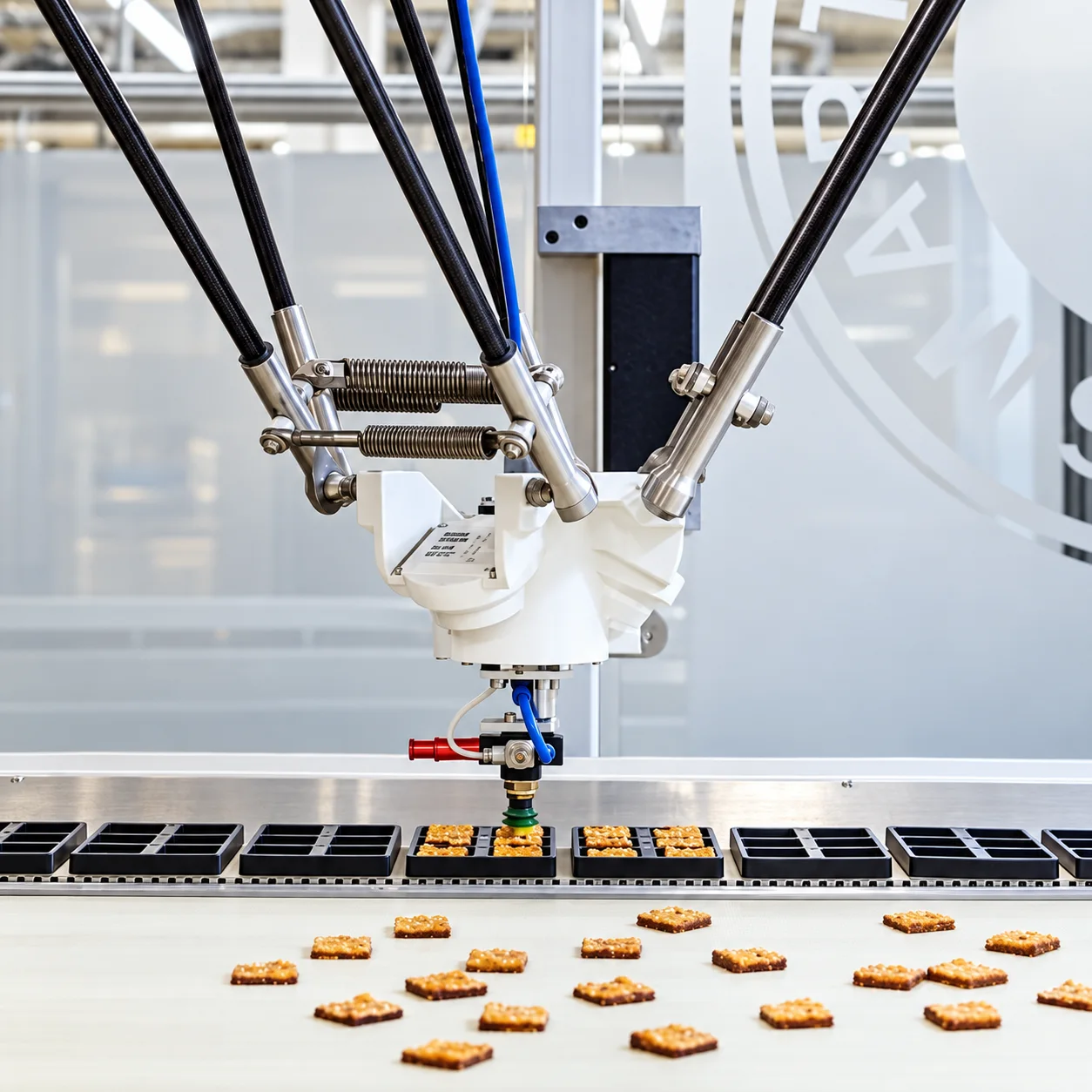
CNC loading/unloading, press tending, injection moulding take-out, sand casting/cutting, deburring, small-parts assembly, inspection and pack-out.

FAQs about Automated Machine Tending

Quick answers on parts, cycle time, changeovers, vision, safety, maintenance and integration.

What parts are suitable for robotic tending?

Machined components, moulded parts, castings and small assemblies with predictable pick surfaces. We tailor grippers and vision to your parts.

How does it improve spindle/press uptime?

Robots keep the machine cycling, faster part exchange, consistent timing and fewer micro-stoppages increase overall equipment effectiveness (OEE).

Can we run mixed SKUs without reprogramming?

Yes, operators select recipes from the HMI; the cell adjusts tooling/paths and vision settings without code edits.

Do we need vision?

Not always. Fixtures and trays work well; vision is added for loose or variably oriented parts, orientation checks or quality verification.

How are parts queued for the robot?

Trays, drawer systems, conveyors, bowl feeders or pallet stations, chosen based on part geometry, cleanliness and cycle time.

What about safety and guarding?

Cells include CE-compliant guarding, interlocked doors, e-stops and beacons; optional scanners/light curtains enable collaborative or zoned access.

How fast can a tending cell run?

It depends on machine cycle time, part travel and inspection steps. We balance robot speed with machine cycle to minimise idle time.

Can the robot perform secondary tasks (deburr/inspect)?

Yes, robots often add deburring, air-blow, vision inspection or marking between load/unload steps to consolidate processes.

What maintenance is required?

Routine checks on grippers/pads, filters and wear items, plus scheduled robot servicing per Fanuc guidance. Remote diagnostics available.

How does it integrate with our CNC/IMM/press controls?

Via PLC/HMI I/O or fieldbus, with safe handshakes for cycle start/complete, door status and interlocks. MES/WMS links can record part IDs and cycle data.

Similar Products

Let's Connect

Have a question about our conveyor systems or need a tailored automation solution for your business? Our team at LVP Automation is here to help. Fill out the form below with your details, and we’ll get back to you as soon as possible. Whether you need a quote, technical support, or more information on our products, we’re ready to assist.