
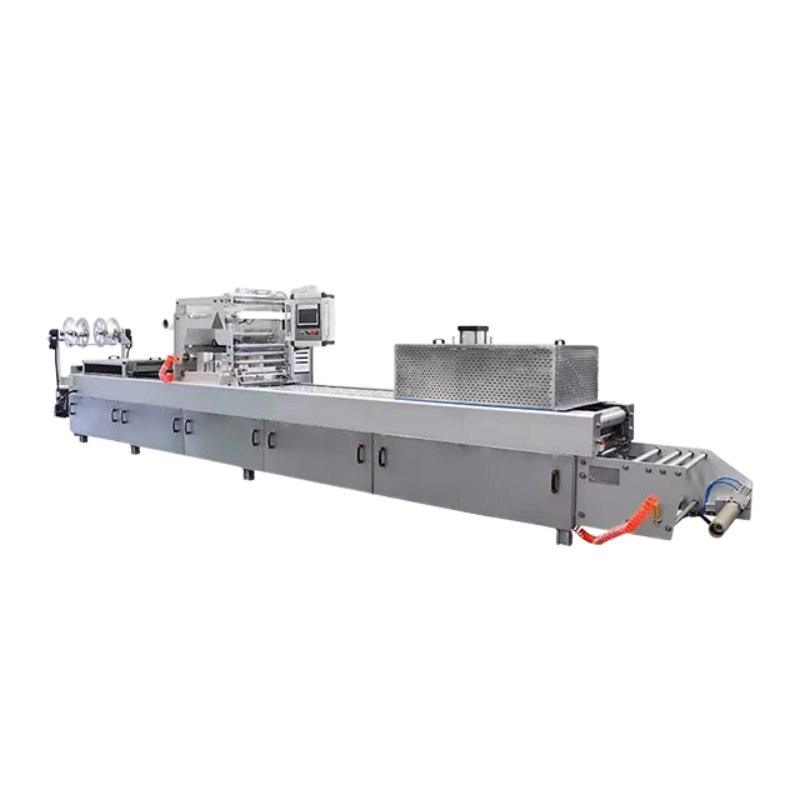
Thermoforming Machines

LVP Automation provides advanced thermoforming machines engineered to create durable and customised packaging for a variety of products. Using heat and vacuum technology, our thermoformers precisely mould plastic sheets into tailored shapes, delivering secure packaging solutions for industries such as food, medical, and electronics. Designed for high-speed production, these machines offer reliability, adaptability, and efficiency, helping businesses meet unique packaging requirements with ease.

Materials
PET, rPET, PP, PS
Parts formed
Trays and blisters
Process
Heat and vacuum
Machine stations
Preheat, form, cut
Tooling
Form and cut tools
Tooling designed around your partSpecified, installed and supported from Dublin 11
Heat and vacuum
Formed from sheet into your own tool
rPET ready
Recycled and recyclable polymers
Food and medical
Stainless contact parts, validated processes
Ireland-wide support
Specification, install and service from Dublin 11

Thermoforming explained

Heat, vacuum and a tool

A thermoformer heats a plastic sheet until it is soft, draws it into a tool with vacuum, cools it so it holds the shape, then cuts the parts out of the web. Sheet supply, preheat, forming and cutting are the four stations, and everything that matters about the finished part is decided by the tool it was drawn into. Understand that and the rest of the specification becomes much easier to reason about.

01

The tool is the real purchase

Each part needs a dedicated forming tool, and usually a cutting tool alongside it. The machine outlives many tools, so the machine is the platform and the tool is the product. Tools are designed around part geometry and web optimisation, which is the difference between a layout that yields well and one that throws material away on every cycle. Budget for tooling as a line item in its own right rather than as an accessory to the machine.
02

Materials and recycled content

PET, rPET, APET, PP, PS and PVC alternatives all run, and the material is matched to the clarity, stiffness, barrier and recyclability the pack needs. Recycled and recyclable polymers are available, but forming windows and stiffness have to be verified rather than assumed, because recycled material varies more than virgin does. If recycled content is a commitment you have already made publicly, prove it on the actual tool before the machine is signed off.

03

Draw depth is the number nobody asks about

Throughput is set by tool layout, sheet thickness and draw depth rather than by a headline machine rate. Draw depth matters twice over: a deeper part stretches the same sheet further, so the walls and corners end up thinner, which usually means starting from a heavier sheet and using more material per part. Bring the deepest part in your range to the conversation, because it sets both the sheet spec and the cycle time.

04

What it makes

Food trays and lids, medical device blisters, electronics inserts, retail clamshells and protective dunnage all come off the same process, but they live in very different regulatory worlds. A food tray and a medical blister are the same machine and completely different validation, documentation and change control. Be clear at specification stage which world the line is in, because it changes the paperwork far more than it changes the hardware.

05

Scrap is a design decision

Thermoforming cuts parts out of a continuous web, so there is always skeletal waste around them. How much depends on the tool layout, which is why web optimisation is part of tool design rather than something to improve later. Edge trim rewind or granulation lets that material be reprocessed where the application allows it. Over a year the difference between a good layout and a lazy one is usually a bigger number than the machine price difference.

06

Changeovers, hygiene and regulated environments

Quick change tooling, recipe based settings and guided adjustments keep downtime low between SKUs, which matters because a tool change is a bigger operation than a recipe change on most other packaging machines. For food and medical work, stainless contact parts, clean enclosures and validated processes are available. Maintenance is routine checks on heaters, vacuum circuits, cutting stations and drives, plus cleaning and inspection of tooling and guides.

Where it sits in the line

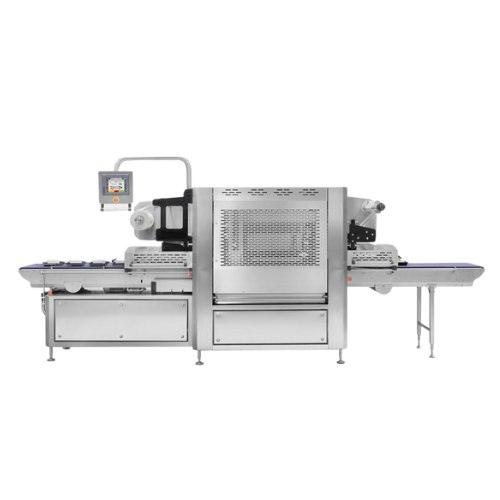
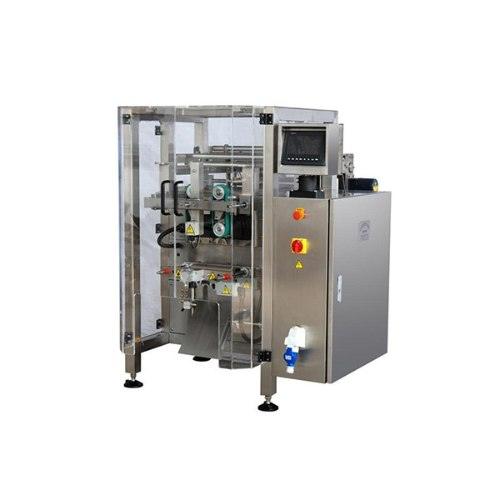
Thermoforming is a primary packaging step, so it sits alongside tray sealing and vertical form fill seal depending on the pack, and it often feeds a tray sealer directly by making the tray the sealer closes. Downstream come stacking, vision, labelling, sealing and end of line packing, tied together with PLC and HMI handshakes and specifiable as one complete packaging line. LVP Automation specifies, installs and supports thermoforming machines from Finglas, Dublin 11 as part of our wider automation services.

Specification

Materials
PET, rPET, APET, PP, PS and PVC alternatives
Parts formed
Food trays and lids, medical device blisters, electronics inserts, retail clamshells and protective dunnage
Process
Heat and vacuum forming from plastic sheet
Machine stations
Sheet supply, preheat, forming and cutting
Tooling
A dedicated forming tool and usually a cutting tool, designed around part geometry and web optimisation
Throughput
Set by tool layout, sheet thickness and draw depth, sized to your parts per minute and cycle time targets
Changeover
Quick change tooling, recipe based settings and guided adjustments
Scrap handling
Optimised tool layouts with edge trim rewind or granulation for reprocessing
Hygiene
Stainless contact parts, clean enclosures and validated processes for food and medical work
Downstream
Stacking, vision, labelling, sealing and packing, linked by PLC and HMI handshakes

Where Thermoforming Machines Excel

Custom-fit Packaging

Form trays, blisters and inserts tailored to your product for superior protection, branding opportunities and shelf impact.

Speed & Efficiency

High-throughput forming with stable temperatures, vacuum control and quick tool changes to meet tight production targets.

Line Integration

Seamless links to printers, labellers, vision/inspection, sealing and downstream packing, minimal disruption, faster ROI.

FAQs about Thermoforming Machines

Quick answers on materials, formats, speeds, tooling, sustainability, hygiene and integration.

What materials can thermoforming machines run?

Common choices include PET, rPET, APET, PP, PS and PVC alternatives. We match material to clarity, stiffness, barrier and recyclability needs.

What products are best suited to thermoforming?

Food trays/lids, medical device blisters, electronics inserts, retail clamshells and protective dunnage.

How fast can they run?

Throughput depends on tool layout, sheet thickness and draw depth. We size the machine to your parts per minute and cycle-time targets.

Can I use recycled or recyclable materials?

Yes, rPET and other recyclable polymers are available. We’ll verify forming windows and stiffness to maintain part quality.

What’s involved in tooling?

A dedicated forming tool (and often cutting tool). We design tools for part geometry, web optimisation and quick changeovers.

Are these machines suitable for hygienic or regulated environments?

Yes, options include stainless contact parts, clean enclosures and validated processes for food and medical applications.

How do thermoformers integrate with existing lines?

Via sheet supply, preheat, form/cut stations and downstream modules (stacking, vision, labelling, sealing, packing). PLC/HMI handshakes ensure sync.

What about scrap and web waste?

We optimise tool layouts and offer edge-trim rewind/granulation to reduce waste and enable reprocessing where appropriate.

How difficult are changeovers?

Quick-change tooling, recipe-based settings and guided adjustments minimise downtime between SKUs.

What maintenance is required?

Routine checks on heaters, vacuum circuits, cutting stations and drives; cleaning and inspection of tooling and guides per schedule.

Similar Products

Let's Connect

Have a question about our conveyor systems or need a tailored automation solution for your business? Our team at LVP Automation is here to help. Fill out the form below with your details, and we’ll get back to you as soon as possible. Whether you need a quote, technical support, or more information on our products, we’re ready to assist.