Very Light Duty Conveyors

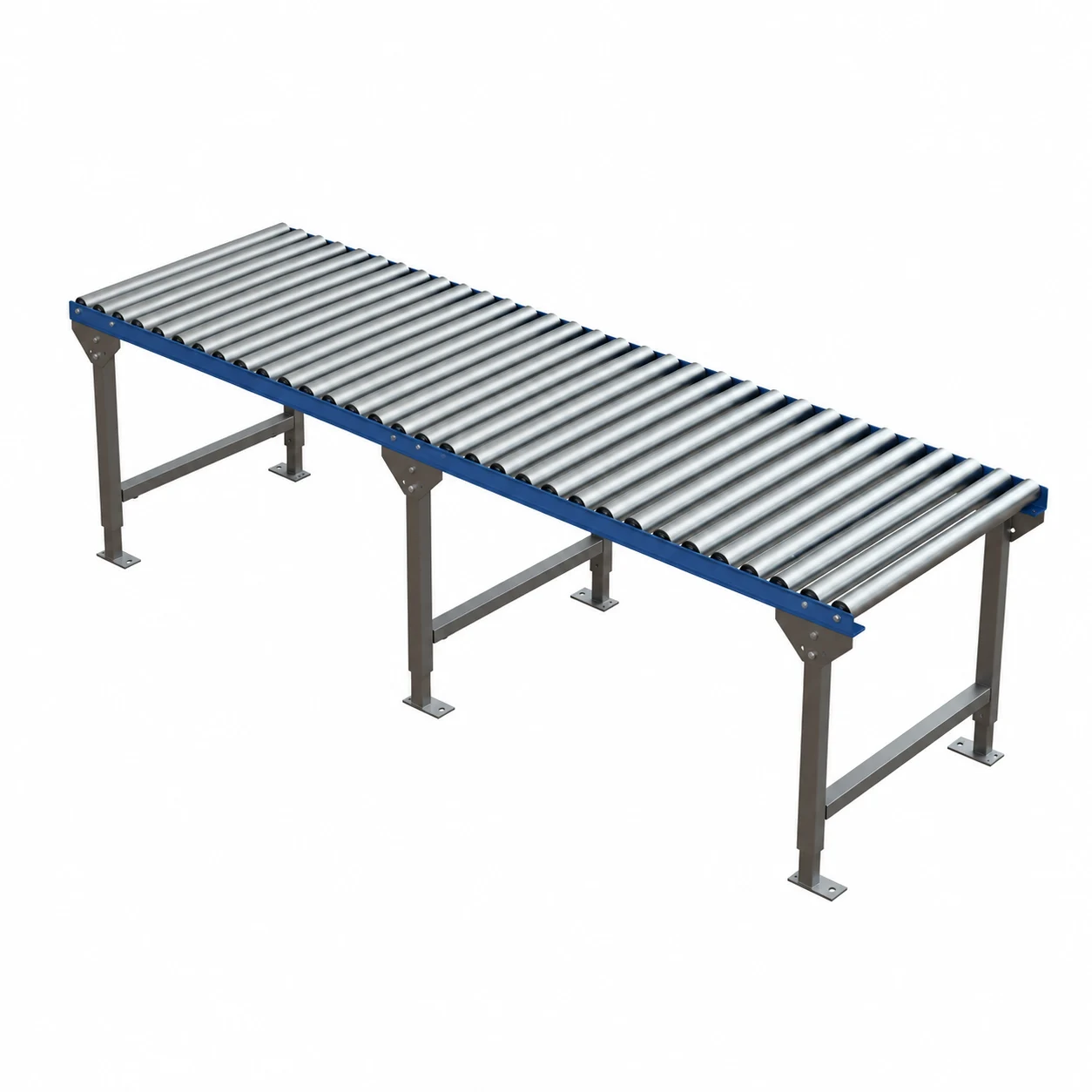
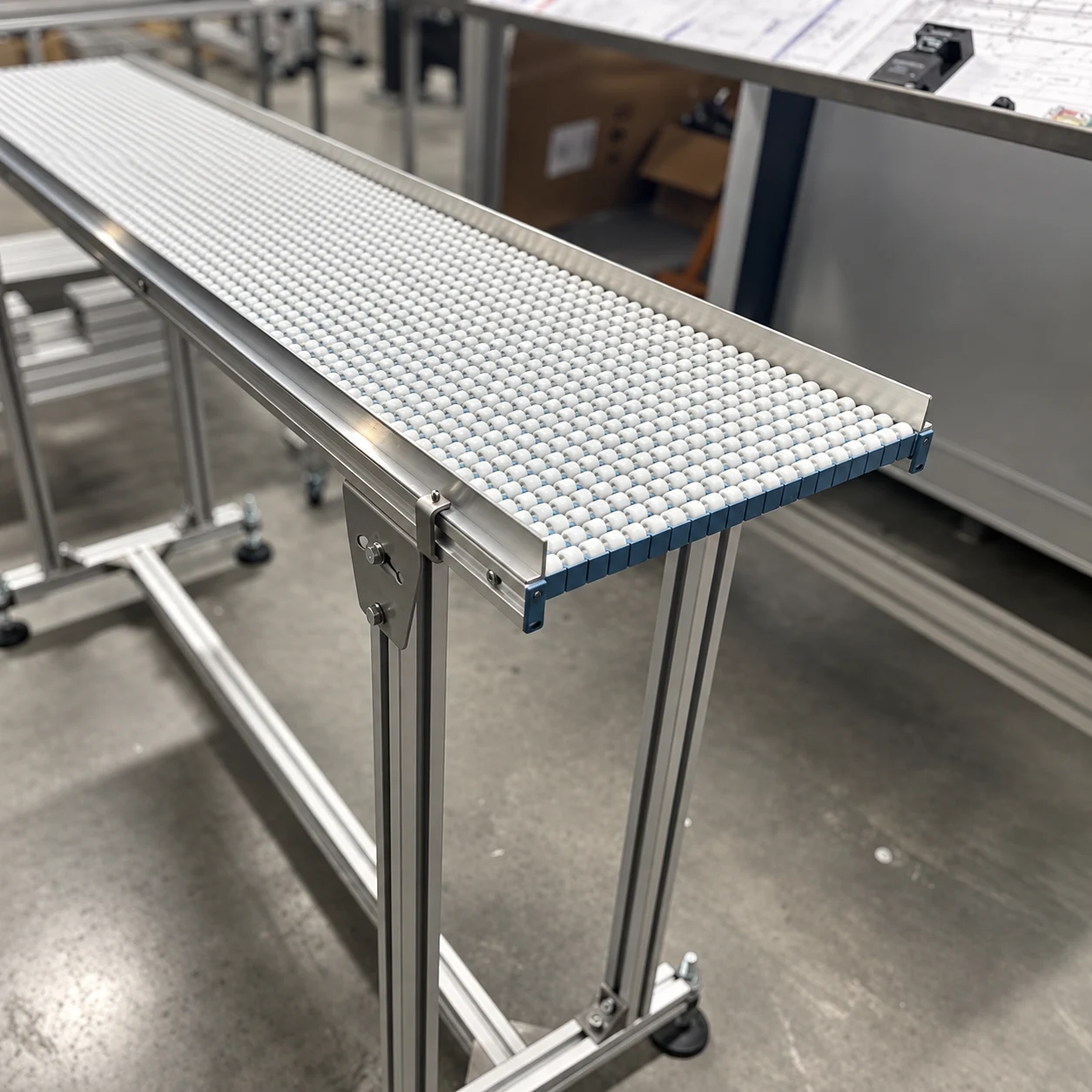
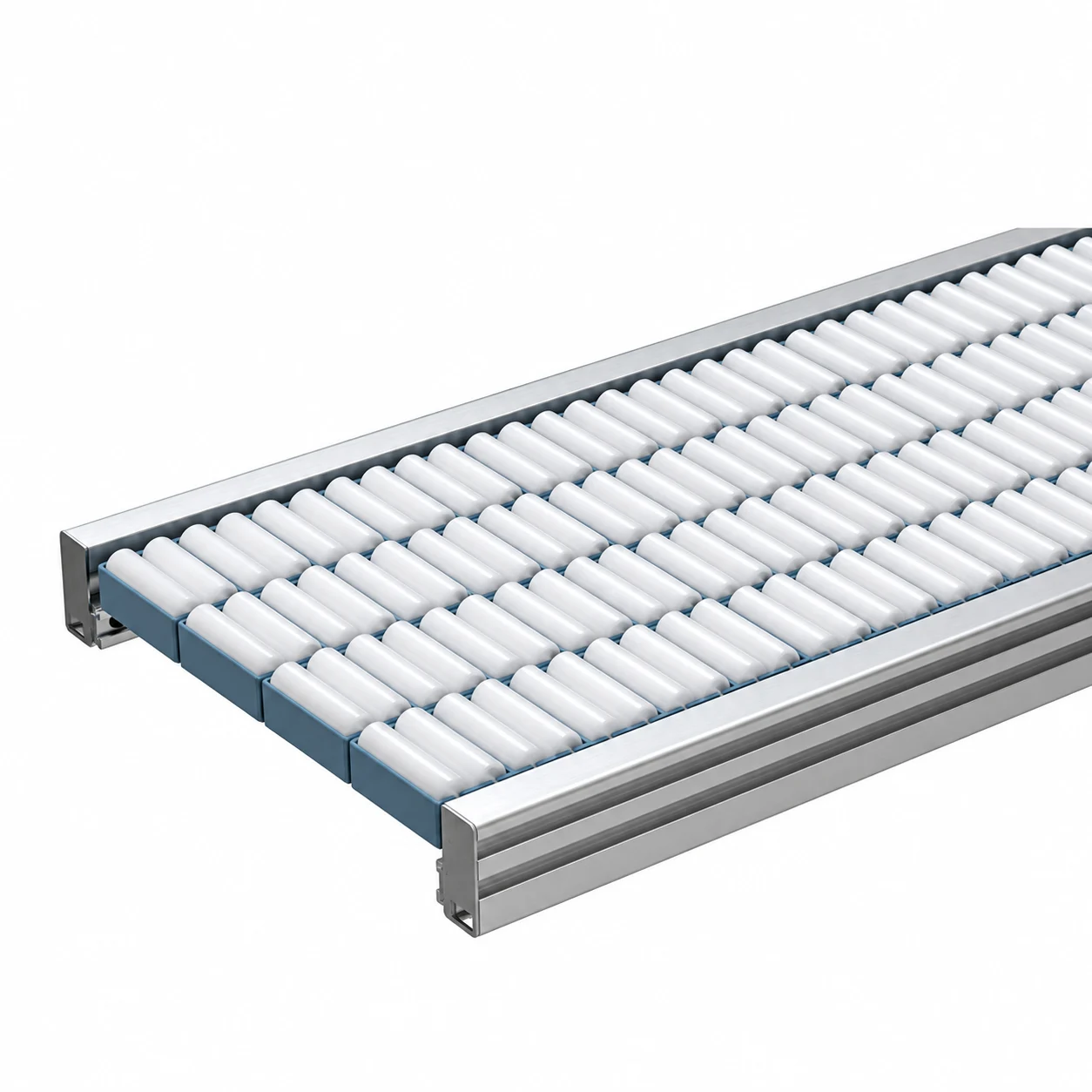
Our most versatile non-powered conveyor, the General-Purpose Gravity Conveyor, provides a smooth and safe transfer for a range of cargo types, from lightweight items to heavy-duty loads. The gentle roller rotation allows for easy, controlled movement, making this conveyor an ideal solution for general material handling needs. With a focus on cost efficiency, ease of use, and labour-saving design, it’s well-suited for optimising workflows across various applications.

Drive
Gravity, no motors
Gradient
2 to 5% fall
Build codes
KBS, KBL, KBW
Products handled
Cartons and totes
Roller pitch
Pitch to your item

Quoting: KBS

Roller pitch set from your smallest itemGradient confirmed for your product base

Very light duty conveyors explained

What "very light duty" actually means here

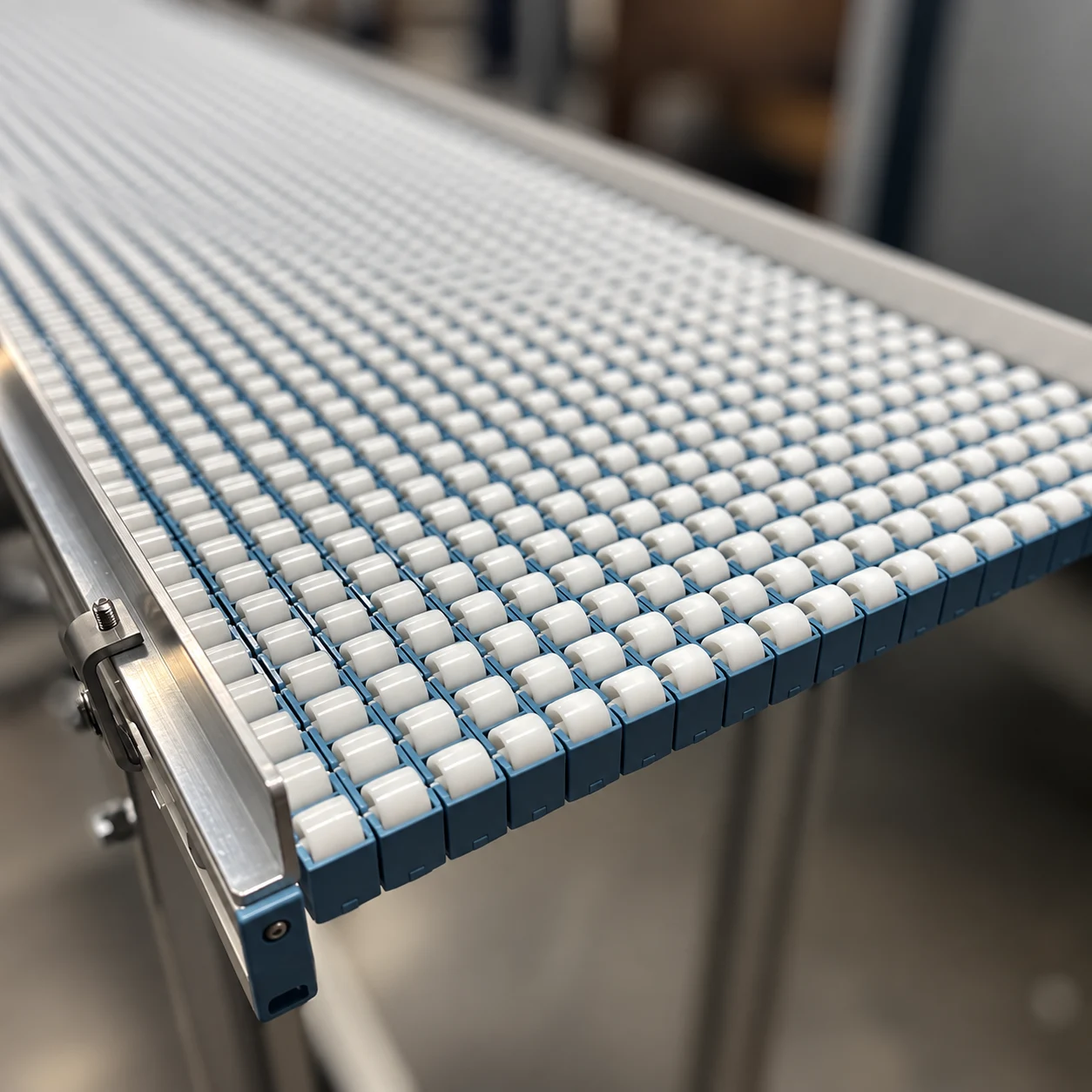
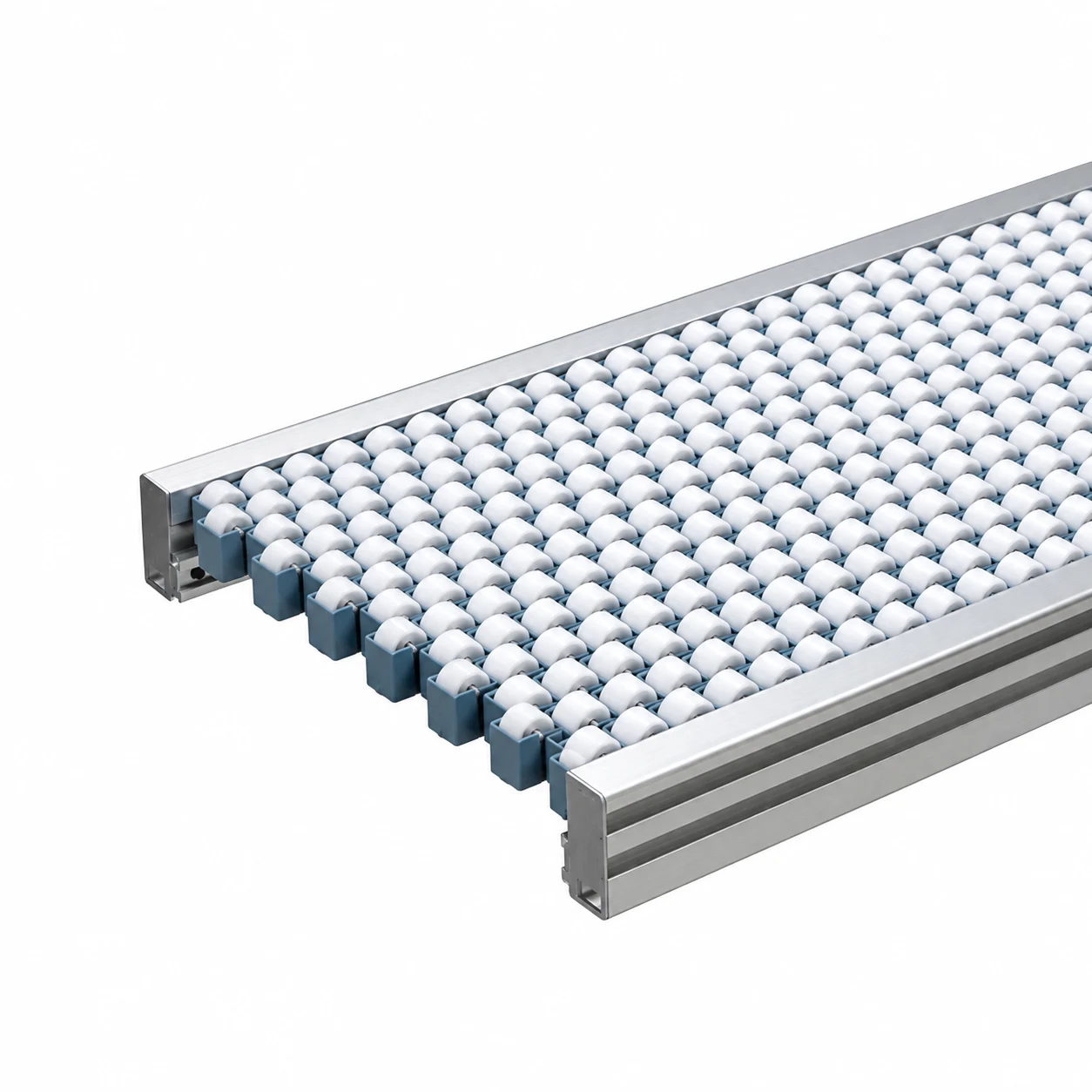
This is the small-product end of the gravity range. No motors, no controls, no drive on the run: product sits on free-spinning rollers and moves on a gentle fall. Where it differs from a general gravity line is scale. The roller pitch is set fine enough that small cartons and components stay supported instead of dropping between rollers, which is the failure that makes people give up on gravity for small items. If your loads are bigger and heavier, our gravity roller conveyors page covers the light, medium and heavy duty builds.

01

Roller pitch is the specification that matters

The rule is that at least three rollers should be under the product at all times. That means the pitch has to come from your smallest item, not your average one. Tell us the minimum product length and the base type, and the pitch follows from it. Get this wrong and small items nose-dive at every gap; get it right and a gravity run handles product that people assume needs a belt.
02

It needs a fall, and the fall is not a guess

Gravity conveyors need a gradient, typically 2 to 5 per cent, and where you sit in that range depends on product weight, base friction and roller type. A light carton on a smooth base needs more fall than a heavier one. Too little and product stalls halfway; too much and it arrives at the end faster than anyone wants to catch it. We confirm the slope against your actual product rather than applying a default.

03

Merging, branching and direction changes

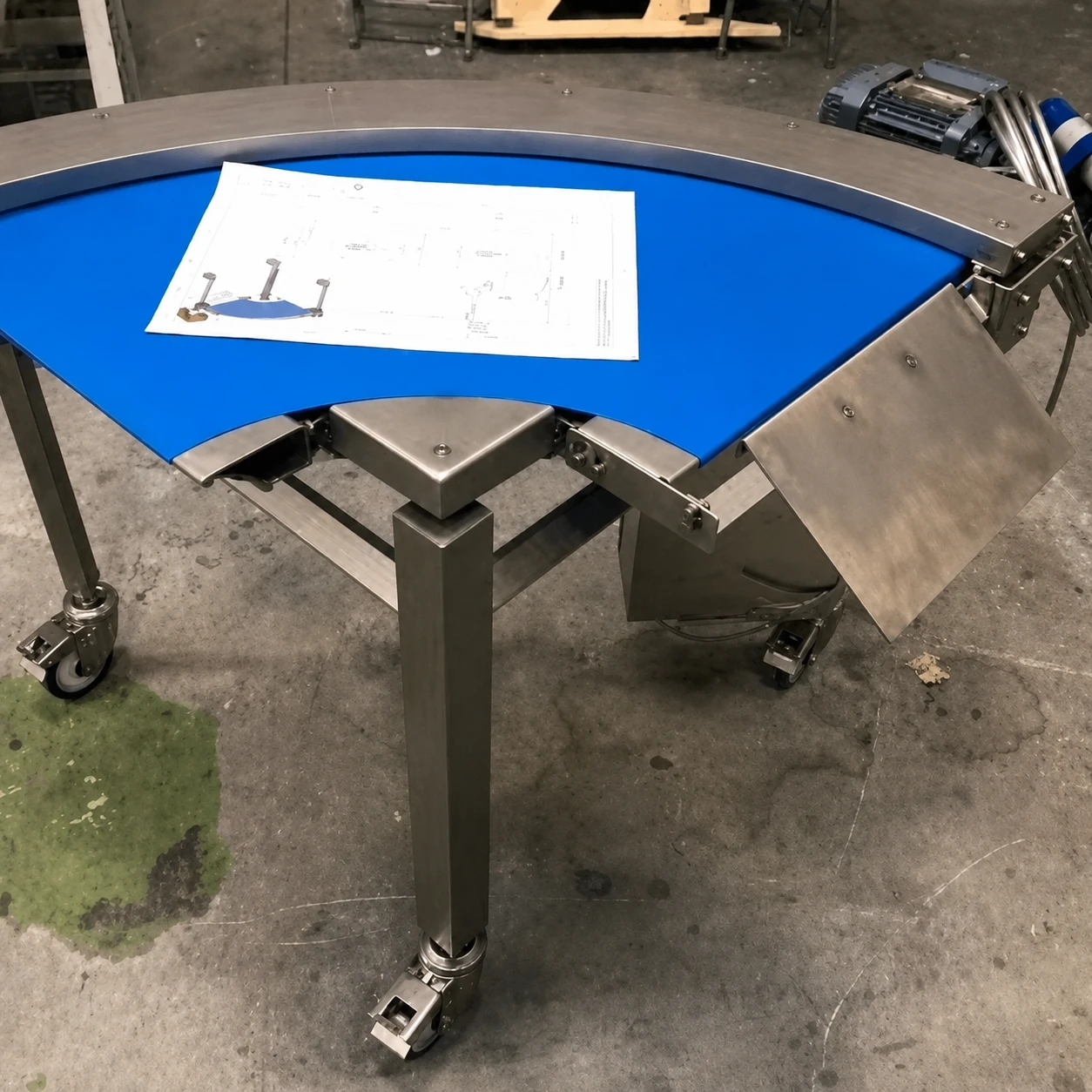
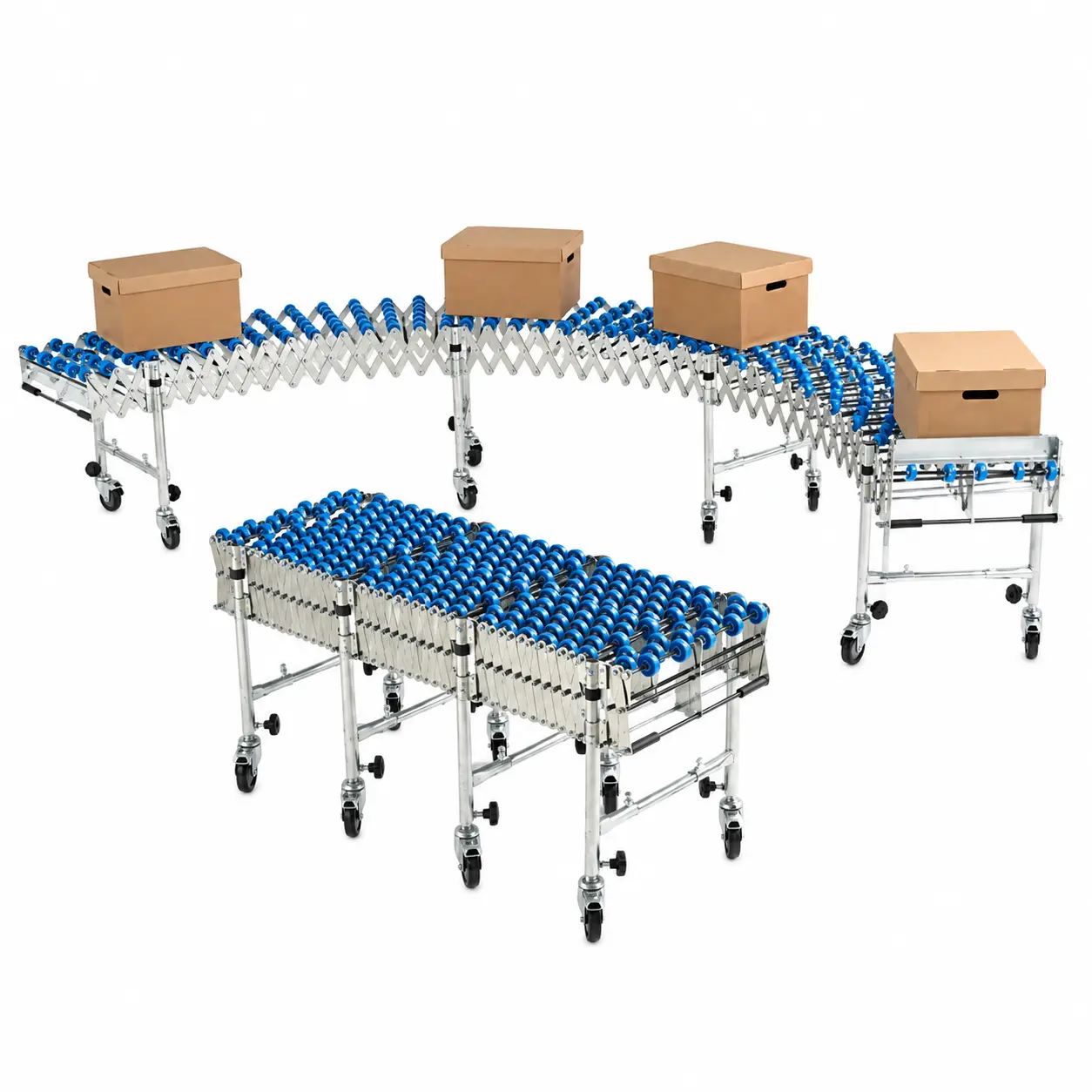
The range is not just straight runs. Bends, merges and gates are standard, and roller direction switchers let a line merge two feeds or branch one into two without a powered transfer. On small-product transfer lines that is usually the reason to choose this over a plain straight gravity section: you can build the routing you need without adding motors and controls to a job that does not otherwise require them.

04

Frames, rollers and hygiene

Side frames are available in aluminium, coated steel or stainless steel, with roller diameter and support span sized to the load. Stainless frames, rollers and appropriate bearings are specified where the area is hygienic or food grade, which is worth stating at enquiry rather than assuming, because the standard build is not stainless.

05

Controlling speed without a motor

You have more control on a gravity run than people expect. Brake rollers slow product at the discharge, guides keep it tracking, and the gradient itself is a control you set at design. What gravity cannot do is give you exact spacing or timed release. Where the downstream process needs product presented at a fixed interval, a short powered zone is added at that point rather than powering the whole run.

06

Working alongside powered conveyor

Gravity sections combine readily with lineshaft conveyor, 24V motorised roller and belt lines, which is how most real layouts end up: gravity where the product just needs to get from A to B, powered where it needs to be controlled. If you need zero-pressure accumulation, long horizontal runs with no slope available, precise speed control or complex merges and diverts, a powered solution is the right call and zero line pressure conveying is the usual answer.

Cost, noise and upkeep

The argument for gravity is that it is cheap to buy, cheap to run and almost free to maintain. There is no motor, no drive, no inverter and nothing to fail electrically. Running noise is low, and what noise there is comes from the product itself rather than the conveyor, so roller choice and guides keep it down. Maintenance is periodic cleaning and checks on rollers, bearings, stops and guides. Where the requirement is a powered light-duty belt rather than rollers, see light duty belt conveyors. LVP Automation specify, supply and install these from Finglas, Dublin 11 as part of our wider automation services.

Specification

Drive
Non-powered gravity: product moves on a gradient, with no motors, drives or controls on the run
Gradient
Typically a 2 to 5 per cent fall, set against product weight, base friction and roller type
Build codes
KBS, KBL and KBW, settled at sizing against product size, load and frame material
Products handled
Cartons, totes and trays with flat, rigid bases; very soft or irregular bases need a tighter roller pitch or a short powered section
Roller pitch
Specified from your minimum product length so small components and cartons stay supported
Sections
Straight runs, bends, merges and gates, plus roller direction switchers for merging and branching
Frames and rollers
Aluminium, coated steel or stainless side frames, with roller diameter and support span sized to load
Speed control
Brake rollers, product guides and a managed gradient; a short powered zone is added where spacing must be exact
Integration
Combines with lineshaft, 24V motorised roller and belt conveyors for mixed control and accumulation
Noise and maintenance
Typically very quiet, with periodic cleaning and checks on rollers, bearings, stops and guides

Where Very Light Duty Conveyors Excel

When to Choose Very Light Duty

Use for simple, low-energy movement of cartons and totes where a gentle slope enables free-rolling: packing benches, assembly cells, inspection lanes and manual sort areas.

Options and Configurations

Straight sections, bends, merges and gates; varied roller diameters/pitches for small items; aluminium, coated steel or stainless side frames; guides, end stops and ball/turn tables.

Typical Applications

Order fulfilment stations, kitting and assembly lines, inbound/outbound staging, returns processing, and low-throughput buffers before labelling or vision checks.

FAQs about Very Light Duty Conveyors

Quick answers on gradients, product suitability, sizing, integration and maintenance for general-purpose gravity setups.

What products are best suited?

Cartons, totes and trays with flat, rigid bases. Very soft or irregular bottoms may need tighter roller pitch or a short powered/belt section.

How small can items be?

With the correct roller pitch, small components and cartons can be handled reliably. We’ll specify pitch based on your minimum product length.

What load can it handle?

Designed for light duty, but can accommodate moderate loads with the right frame, roller diameter and support span. We’ll size components to your spec.

Can I control speed on a gravity run?

Yes, use brake rollers, product guides and managed gradients. For precise speed/spacing, pair with a powered zone.

Is it noisy?

Gravity systems are typically very quiet; noise mainly comes from the product rolling. Correct roller choice and guides help keep noise low.

Can it integrate with powered conveyors?

Absolutely, gravity sections are often combined with lineshaft, 24V MDR or belt conveyors for mixed control and accumulation.

What maintenance is required?

Periodic cleaning, checks on rollers/bearings and verification of stops/guides. Maintenance is minimal compared to powered systems.

Is stainless steel available for hygienic areas?

Yes, stainless frames/rollers and appropriate bearings can be specified for hygienic or food-grade environments.

When should I choose a powered conveyor instead?

If you need zero-pressure accumulation, long horizontal runs without slope, precise speed control or complex merges/diverts, a powered solution is better.

Do I need a slope for the conveyor to work?

Yes, gravity conveyors require a gradient (typically 2 to 5%) depending on product weight, base friction and roller type.

Similar Products

Let's Connect

Have a question about our conveyor systems or need a tailored automation solution for your business? Our team at LVP Automation is here to help. Fill out the form below with your details, and we’ll get back to you as soon as possible. Whether you need a quote, technical support, or more information on our products, we’re ready to assist.