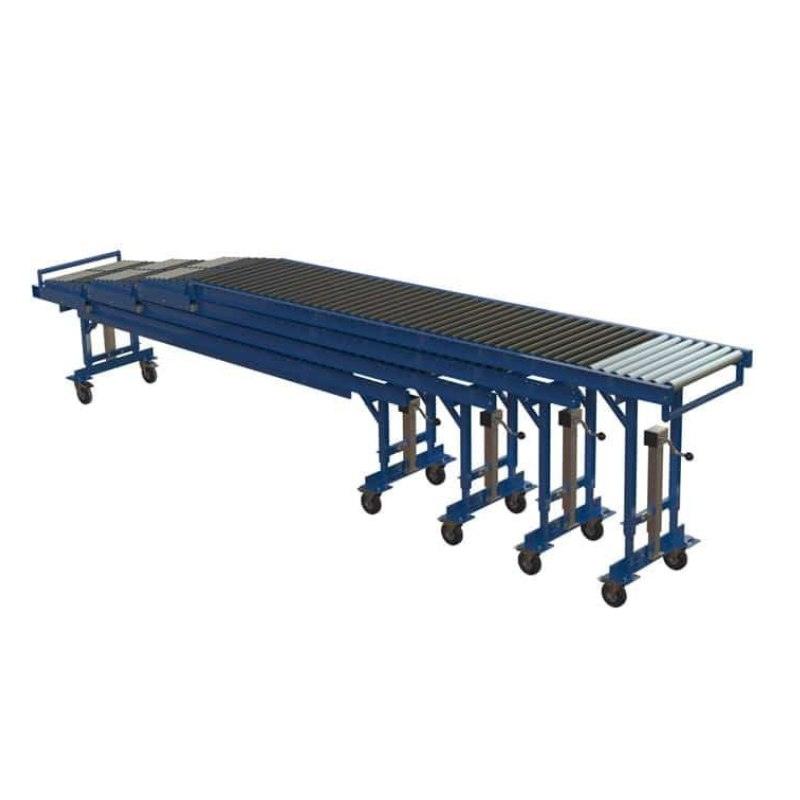
Vehicle Loading Conveyors

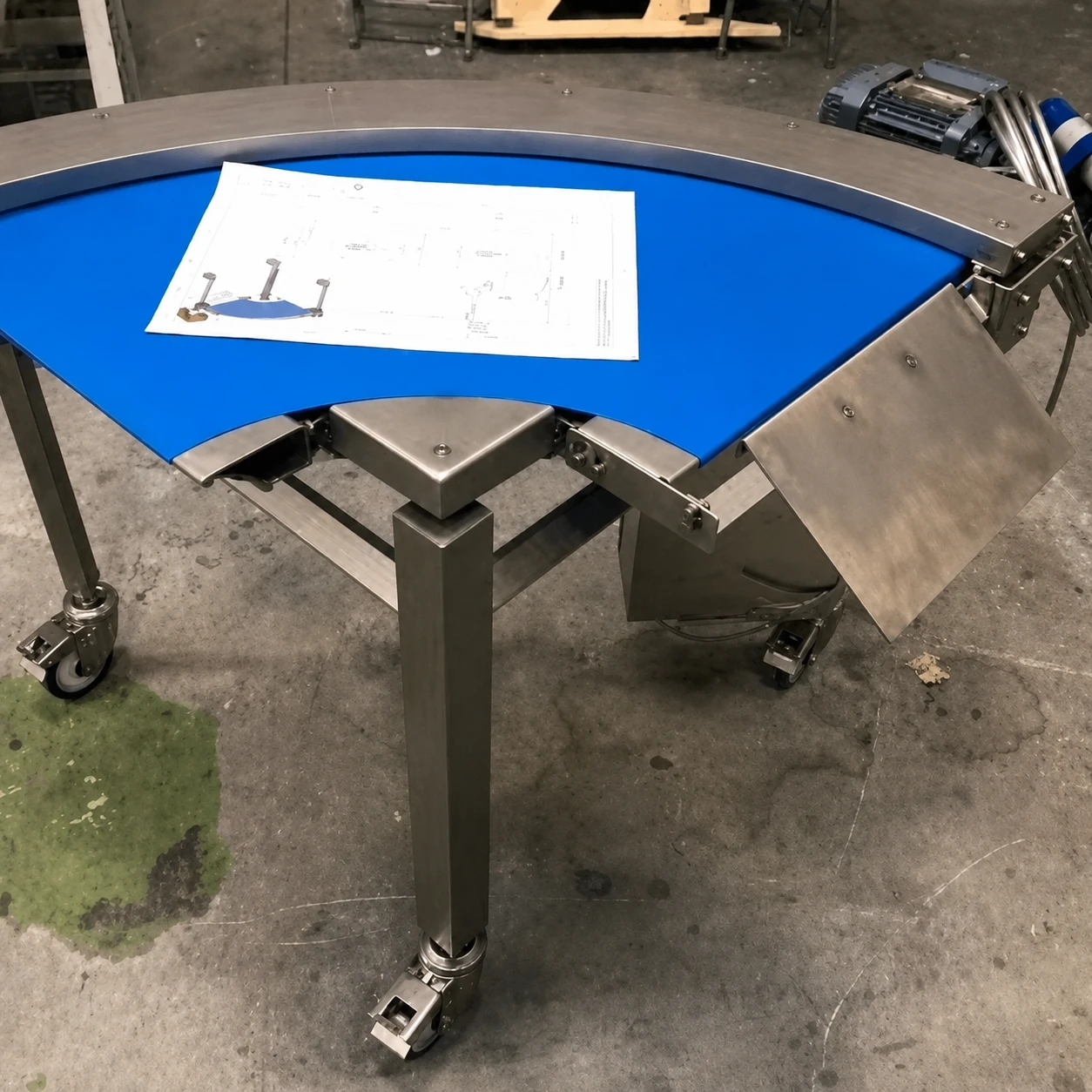
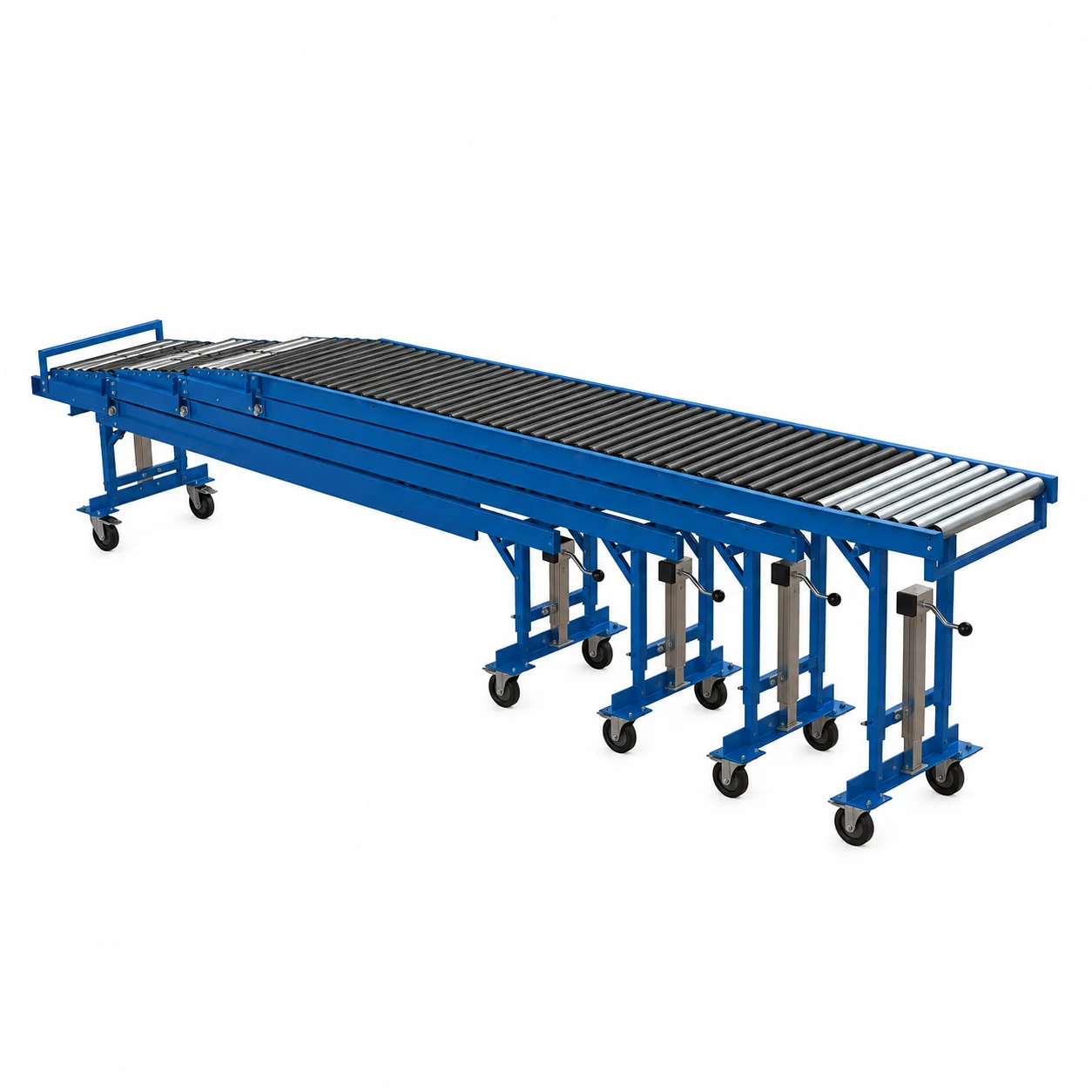
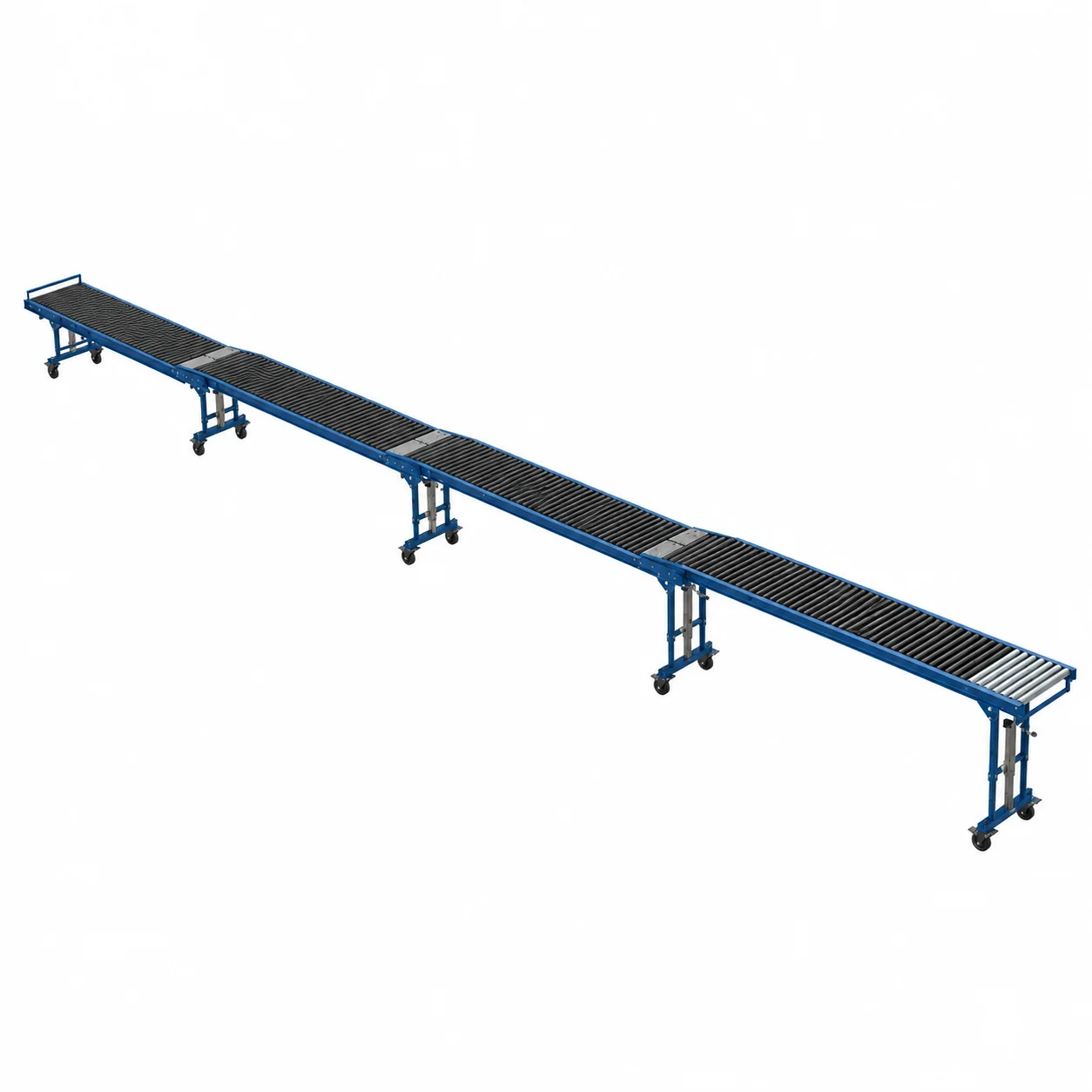
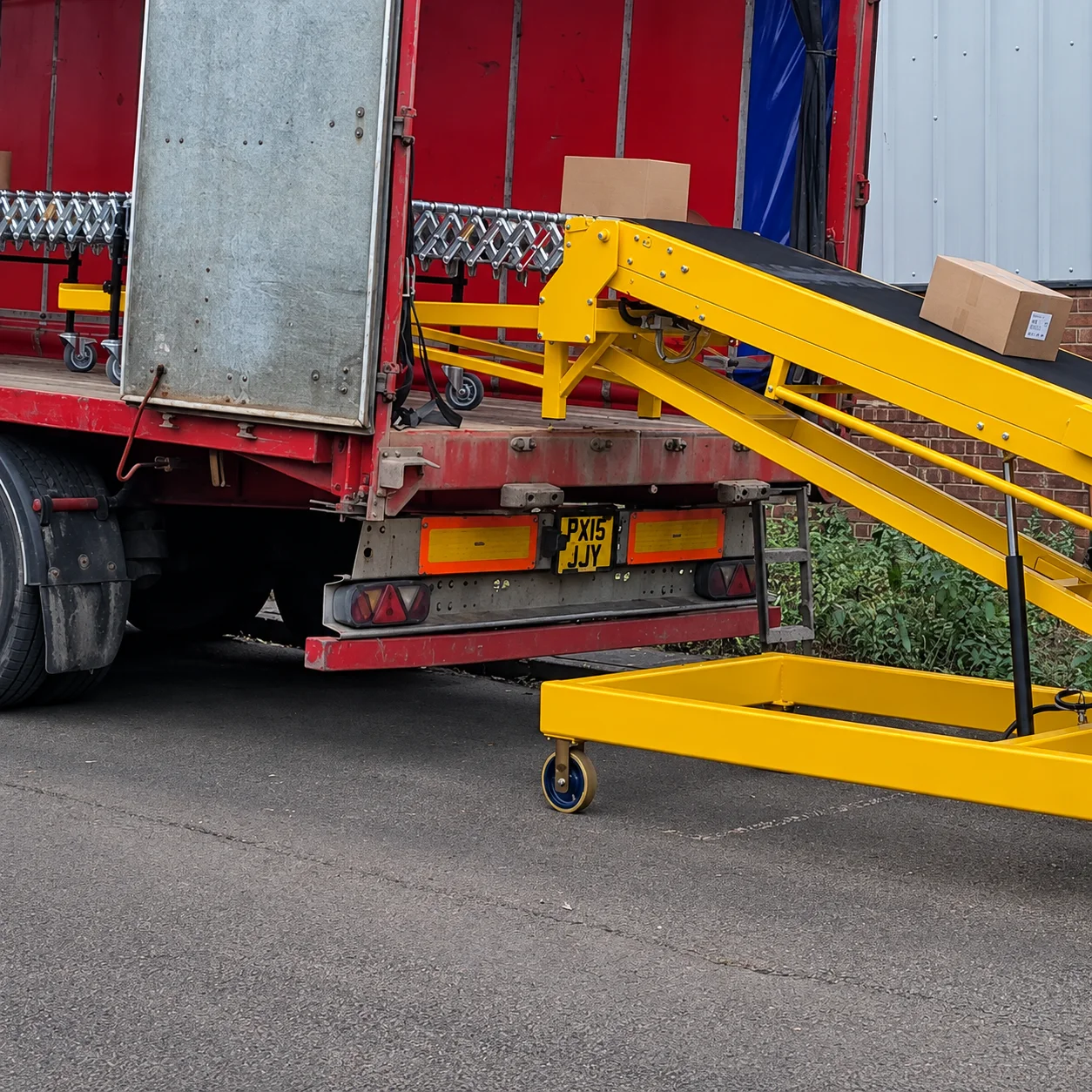
LVP Automation offers a versatile selection of powered and gravity conveyors specifically designed for efficient vehicle and container loading and unloading. Engineered for durability and ease of operation, these conveyors streamline workflows and improve handling efficiency for 20ft and 40ft containers or trailers. With a focus on reliable performance, they provide a practical, long-lasting solution for high-demand loading tasks.

Types
Powered to gravity
Vehicles
20 ft and 40 ft
Gravity gradient
2 to 5% fall
Bay options
Height and tilt
Integration
PLC, WMS or MES
Sized to your dock and vehicle geometrySlope confirmed by design or site trial

Vehicle loading conveyors explained

The problem is the walk, not the lift

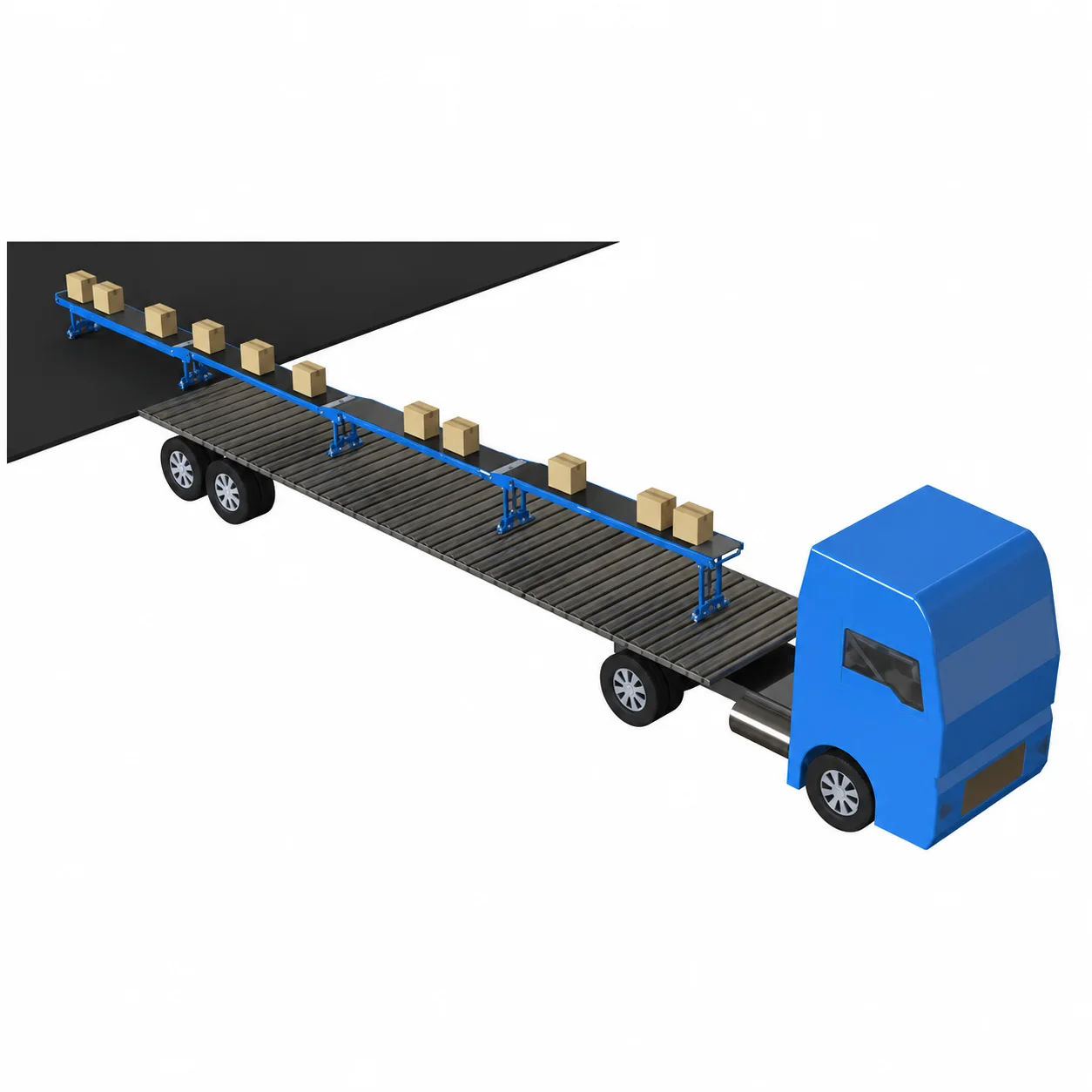
Loading a 40 ft container by hand is mostly walking. An operator carries a carton twelve metres, sets it down, walks twelve metres back, and repeats it several hundred times. The lifting is what people notice; the walking is what actually costs the time and wears the person out. A vehicle loading conveyor removes the carry by bringing the belt to the point of stack, so the operator moves a carton a step rather than a truck length. That is the whole argument, and it is why bay turnaround usually improves more than people expect.

01

Powered or gravity

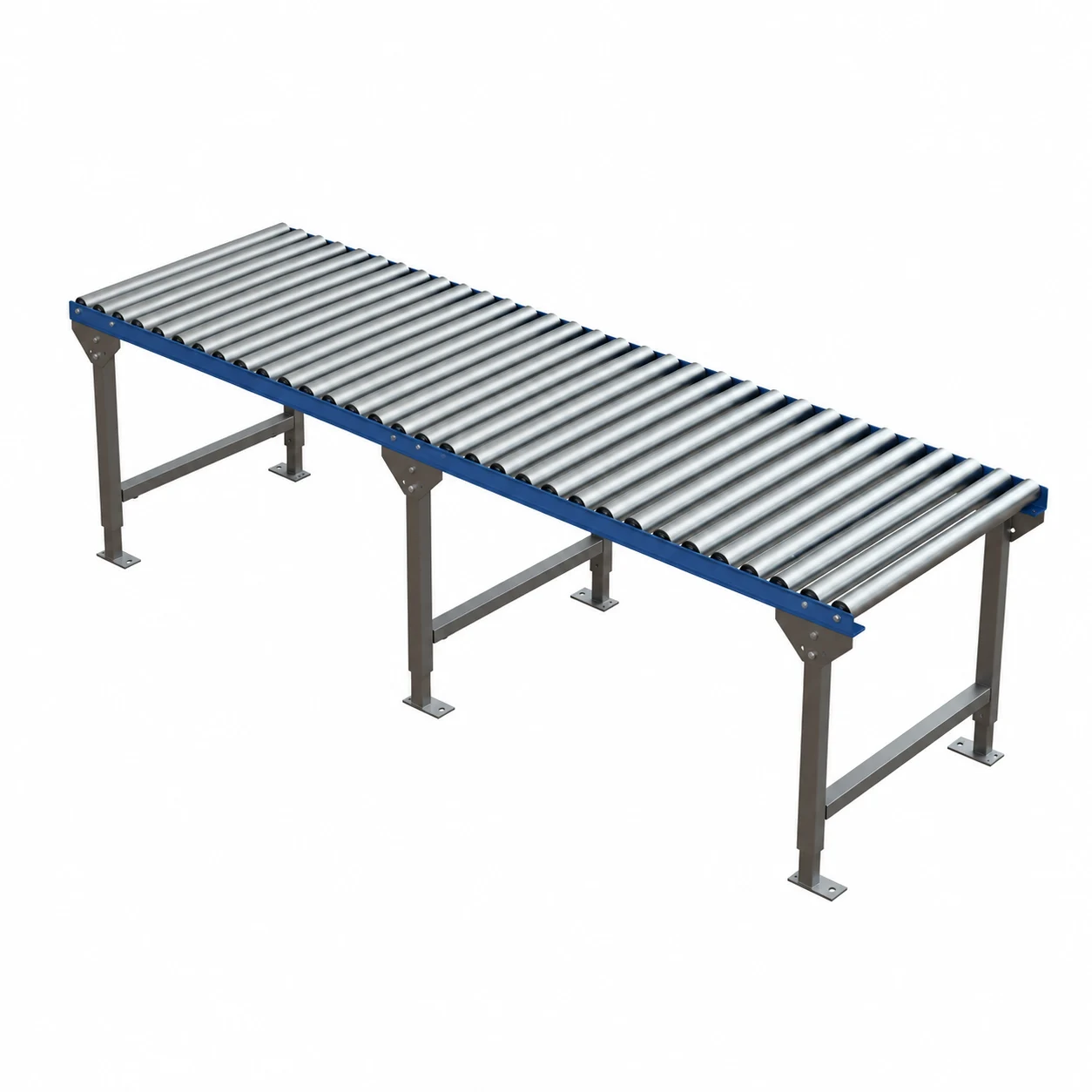
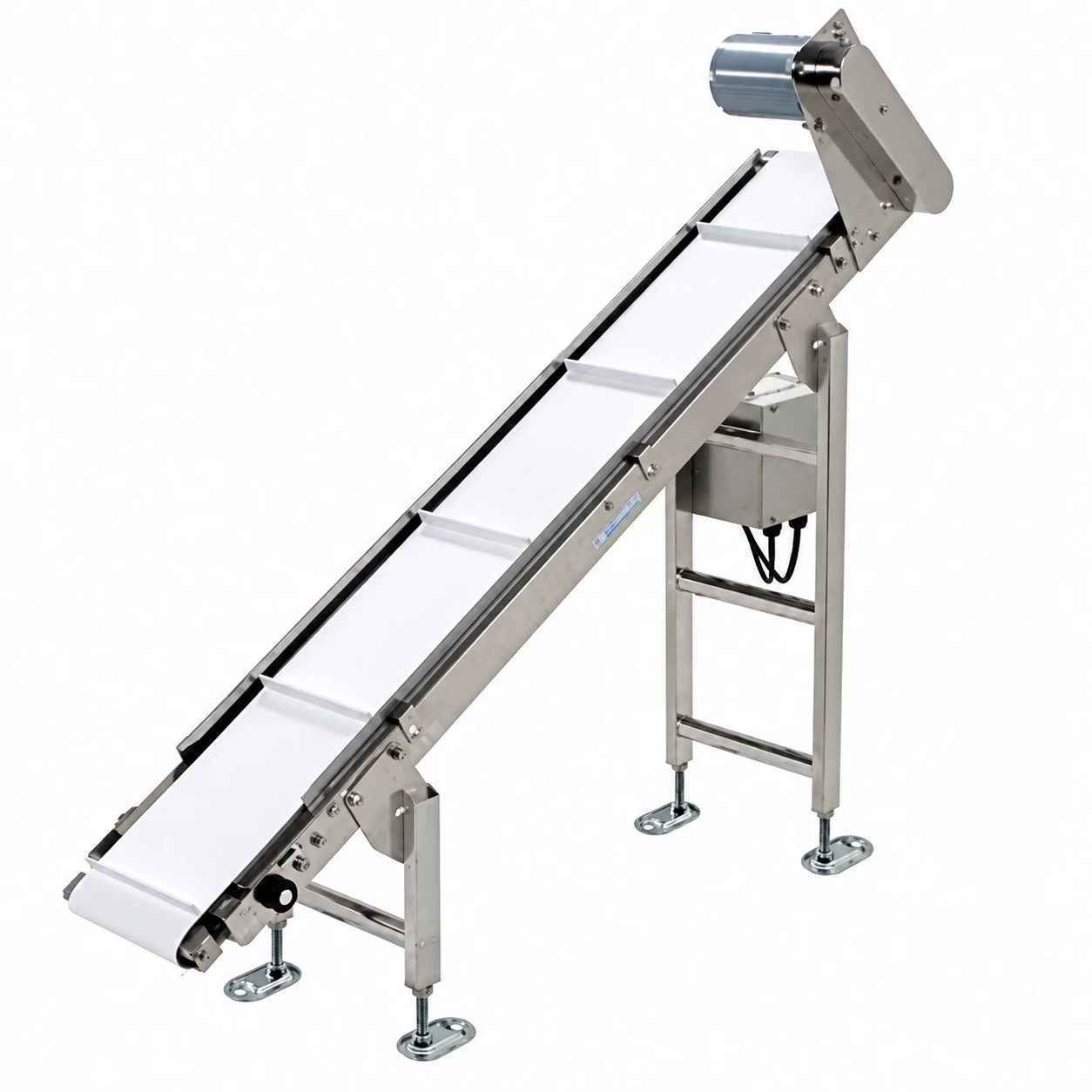
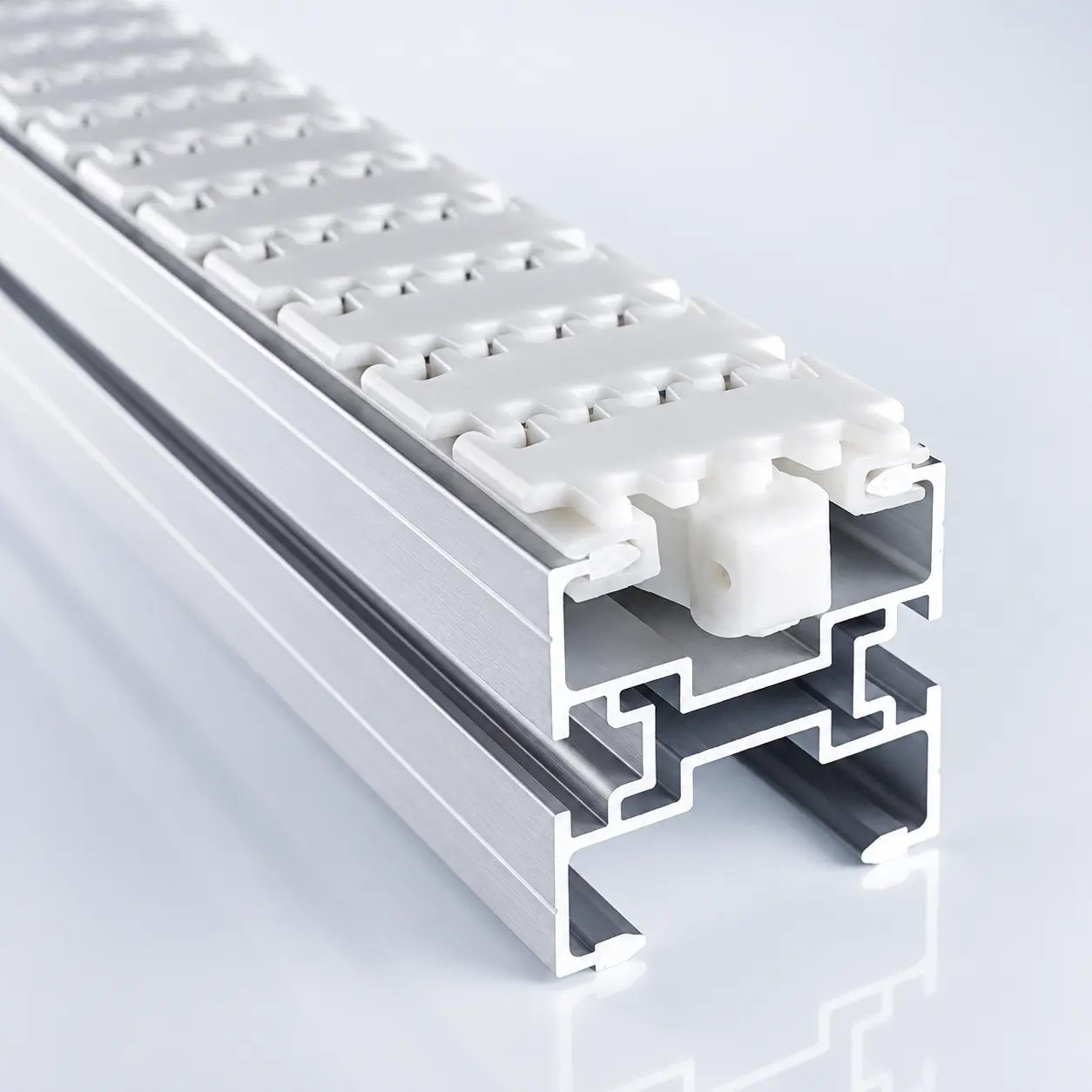
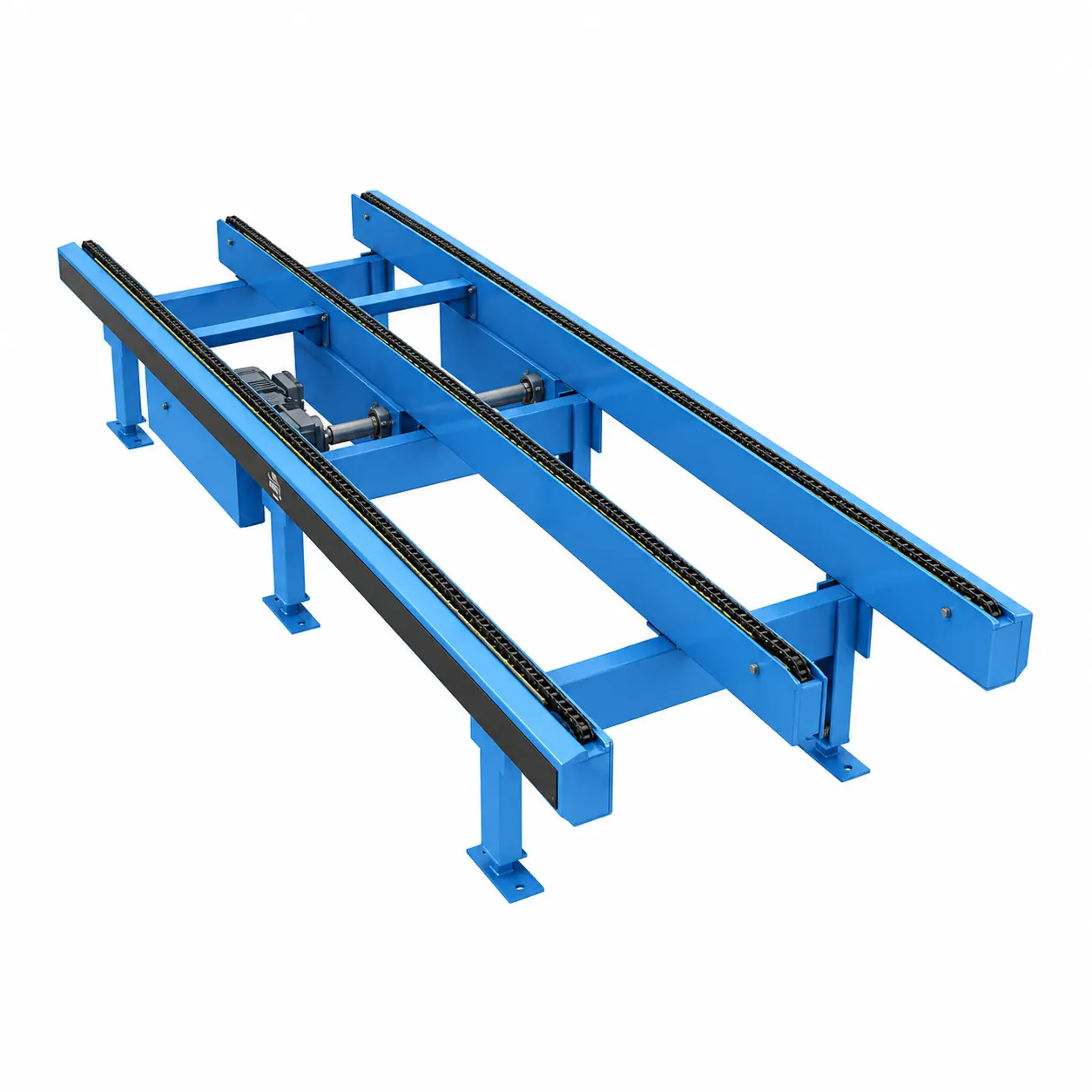
Powered units give you controlled speed, higher throughput and the ability to push product a long way. Gravity roller sections are simpler and cheaper and are right for short runs and straightforward layouts. The honest split is by distance and volume: if the bay turns frequently and the run is long, powered pays for itself; if it is an occasional load over a few metres, gravity is the sensible spend. Many bays end up with both, powered from the line to the dock edge and gravity for the last section into the vehicle.
02

Gravity needs the right fall

A gravity section only works if the slope suits the load. Typically that is a 2 to 5 per cent fall, and where in that range depends on product weight and the base it sits on. A light carton on a smooth base needs more fall than a heavy one; get it wrong in either direction and you either stall product or have it running away at the far end. We confirm the slope during design or with a site trial rather than assuming it, because the same box behaves differently on a shrink-wrapped tray than on card.

03

Telescopic units for deep containers

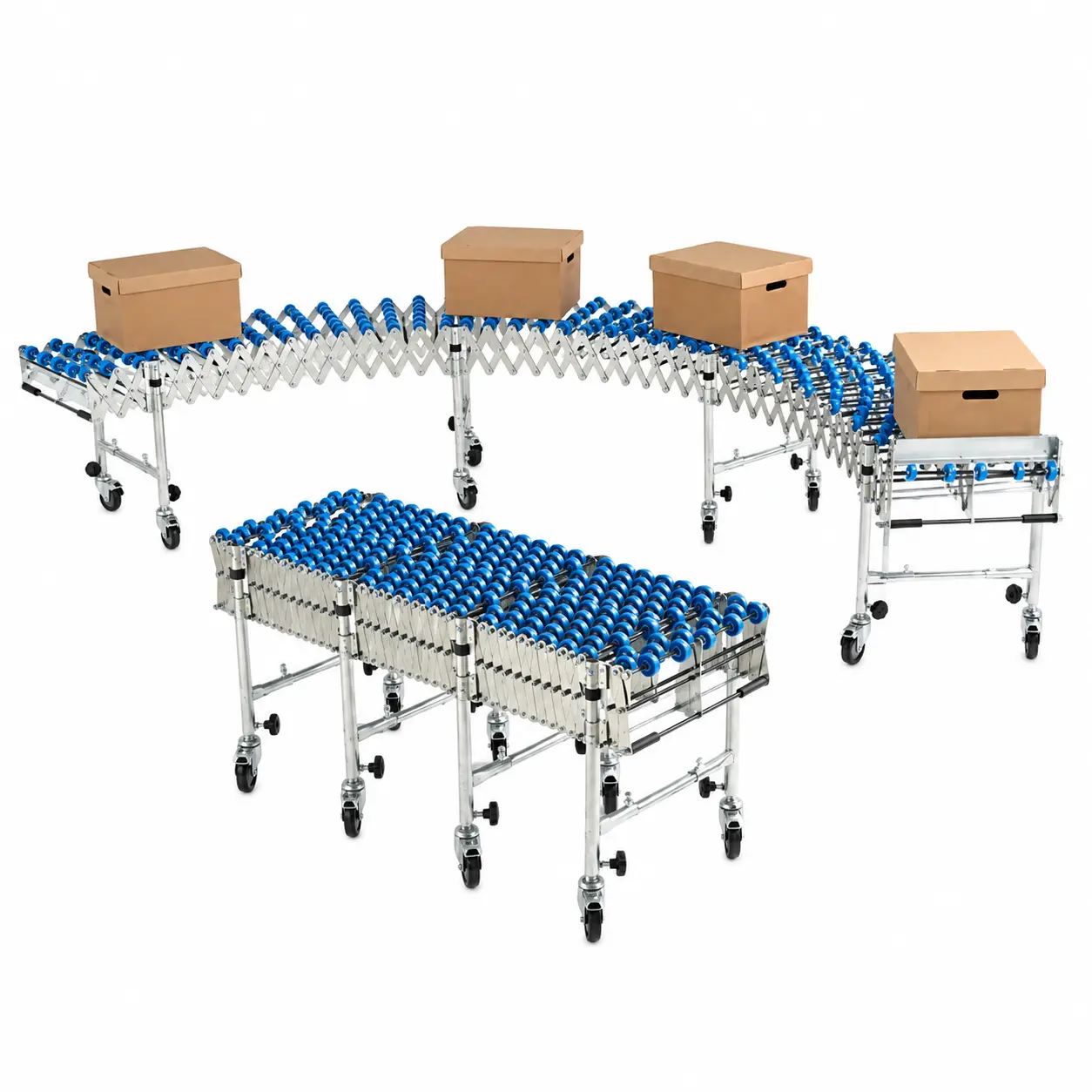
Where the load is going right to the nose of a 40 ft container, a telescopic boom conveyor is the better answer. The boom extends into the container as the stack builds and retracts as it empties, so the operator never leaves the working face. That is the strongest ergonomic option available for this job and the fastest for sustained loading. Flexible expandable conveyors are a different tool: they suit pop-up or variable setups where the bay changes, but for sustained loading and unloading a powered or telescopic unit will move more.

04

Fitting the dock and the vehicle

Systems are sized for standard 20 ft and 40 ft containers and trailers, with adjustable height and length to suit the dock and the vehicle geometry. Vehicle deck heights vary, docks are rarely level, and a conveyor that is right for a curtainsider can be wrong for a container on a skeletal trailer. Bring the actual vehicle types and dock levels to the sizing conversation, not just the product, because that is what decides the adjustment range you need.

05

Options at the bay

Beyond the basic run, the useful additions are powered in-feed and out-feed, height and tilt adjustment, side guides, brake rollers, photo-eyes, and start/stop control at the bay so the operator is not walking back to a panel. Each one exists to remove a small delay that repeats a few hundred times a shift, which is where the real minutes are.

06

Safety and integration

Standard safety provision is e-stops, guarded pinch points, bay start/stop, beacons and sounders, emergency retract, safe cabling and CE-compliant guarding. On the control side, integration with existing lines is done with matched heights, transition plates, photo-eye handshakes and PLC I/O, and can extend to WMS or MES signals so loading is paced to the order rather than to whoever is fastest.

Products, maintenance and where else to look

Cartons, totes, sacks and crate loads are the normal traffic; for loose or irregular items the roller type, pitch and guides are specified to suit rather than left standard. Maintenance is routine checks on rollers, belts, bearings, drives and controls, keeping debris off and verifying brakes and safety circuits, with components chosen for easy access. If the requirement is inside the building rather than at the vehicle, flexible conveyors cover temporary and changing routes, roller conveyor and gravity conveyors cover fixed runs, and zero line pressure conveying handles accumulation without back pressure. LVP Automation specify, install and support loading systems from Finglas, Dublin 11 as part of our wider automation services.

Specification

Types
Powered belt or roller sections, gravity roller sections, telescopic boom units and flexible expandable conveyors
Vehicles
Sized for standard 20 ft and 40 ft containers and trailers, with adjustable height and length to suit dock and vehicle geometry
Gravity gradient
Typically a 2 to 5 per cent fall, confirmed against product weight and base during design or a site trial
Bay options
Powered in-feed and out-feed, height and tilt adjustment, side guides, brake rollers, photo-eyes and start/stop at the bay
Integration
Matched heights, transition plates, photo-eye handshakes and PLC I/O, with WMS or MES signals to pace loading
Safety
E-stops, guarded pinch points, bay start/stop, beacons and sounders, emergency retract, safe cabling and CE-compliant guarding
Products handled
Cartons, totes, sacks and crate loads, with roller type, pitch and guides specified for loose or irregular items
Reach
Telescopic boom units extend into the container as the stack builds, so the operator stays at the working face
Applications
Container and trailer loading and unloading, cross-docking, returns processing and bridging warehouse lines to the vehicle deck
Maintenance
Routine checks on rollers, belts, bearings, drives and controls, with components chosen for easy access

Where the Vehicle Loading Conveyor Excels

When to Choose Loading Conveyors

Ideal for frequent bay turns where throughput, ergonomics and safety matter: retail distribution, e-commerce fulfilment and FMCG where manual carry distance must be minimised.

Options and Integrations

Powered in/out feed, gravity roller sections, height/tilt adjust, side guides, brake rollers, photo-eyes, start/stop at the bay, and PLC links to upstream lines or WMS signals.

Typical Applications

Container and trailer loading/unloading, cross-dock operations, returns processing, and bridging between warehouse lines and the vehicle deck.

FAQs about Vehicle Loading Conveyors

Quick answers on powered vs gravity, container fit, gradients, safety, maintenance and when to choose telescopic or flexible options.

Should I choose powered or gravity for vehicle loading?

Use powered for controlled speed, higher throughput and longer pushes; choose gravity for short runs, simple layouts and lower cost.

Do these conveyors fit both 20 ft and 40 ft containers?

Yes, systems are sized for standard containers and trailers, with adjustable height/length options to suit dock and vehicle geometry.

When is a telescopic unit the better choice?

If you need to reach deep into containers with minimal manual handling, a telescopic boom conveyor is optimal for speed and ergonomics.

Can flexible conveyors be used at the bay?

Yes, for pop-up or variable setups. For sustained loading/unloading, powered or telescopic solutions usually deliver higher throughput.

What gradient do gravity sections need?

Typically 2 to 5% depending on product weight and base. We confirm slope during design or site trials.

What safety features are available?

E-stops, guarded pinch points, start/stop at the bay, beacons/sounders, emergency retract, safe cabling, and compliant guarding to CE standards.

How do these conveyors integrate with existing lines?

Via matched heights, transition plates, photo-eye handshakes and PLC I/O. We can link to WMS/MES signals to pace loading.

What products can they handle?

Cartons, totes, sacks and crate loads. For loose or irregular items, we specify roller type, pitch and guides accordingly.

What maintenance is required?

Routine checks on rollers/belts, bearings, drives and controls; clean debris, verify brakes and safety circuits. Components are chosen for easy access.

What are typical lead times?

Lead time depends on configuration (powered/telescopic vs gravity). We’ll confirm current timelines at quotation.

Similar Products

Let's Connect

Have a question about our conveyor systems or need a tailored automation solution for your business? Our team at LVP Automation is here to help. Fill out the form below with your details, and we’ll get back to you as soon as possible. Whether you need a quote, technical support, or more information on our products, we’re ready to assist.