Most conveyor faults announce themselves long before they stop the line. A belt that has started to run off centre, a roller that no longer turns freely, a build-up of material where none should be — each of these is a small problem that becomes an expensive one if nobody acts on it.
This is a guide to the faults that turn up most often on conveying systems, what causes them, and the maintenance checks that catch them early. It covers belt conveyors mainly, with sections on pneumatic and screw systems, and finishes with the routine checks worth building into a maintenance schedule.
Belt conveyor faults
Mistracking
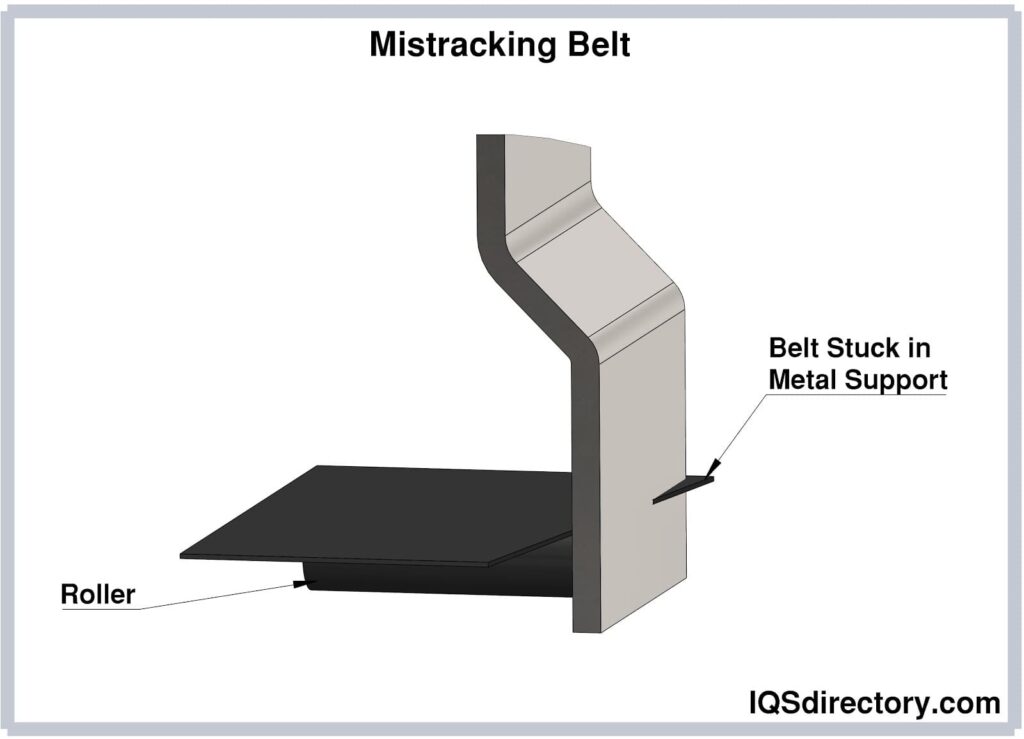
Mistracking, or belt drift, is a belt that no longer runs down the centre of the conveyor. It wears unevenly, frays against the frame, and can damage or unseat whatever it is carrying. Left alone it will destroy a belt that would otherwise have lasted years.
The causes are usually mechanical rather than mysterious: a frame that is out of square, a pulley that is not perpendicular to the direction of travel, uneven tension across the width, material building up on a pulley face, or product loaded off centre so the belt is pulled to one side.
Seized rollers
A roller that has stopped turning drags instead of rolling. It wears a flat on itself, scuffs the belt above it, and adds load the drive was never sized for. Seized rollers and mistracking often appear together, because a roller that will not turn pulls the belt off line.
They are also a safety issue. A dragging steel roller can develop a sharp edge, and the extra friction generates heat where none is expected. Rollers are consumable items — checking that each one still spins by hand is one of the quickest and most useful inspections on a conveyor.
Belt slippage
Slippage is the belt not moving with the drive pulley. Too little tension and there is not enough grip to transmit the drive; too much and the belt stretches, bearings load up, and the problem moves elsewhere. A worn or contaminated lagging on the drive pulley produces the same symptom with correct tension.
Slippage tends to be self-worsening: the belt polishes the pulley, grip drops further, and heat builds at the interface. Tension is worth setting to the belt manufacturer’s figures rather than by feel.
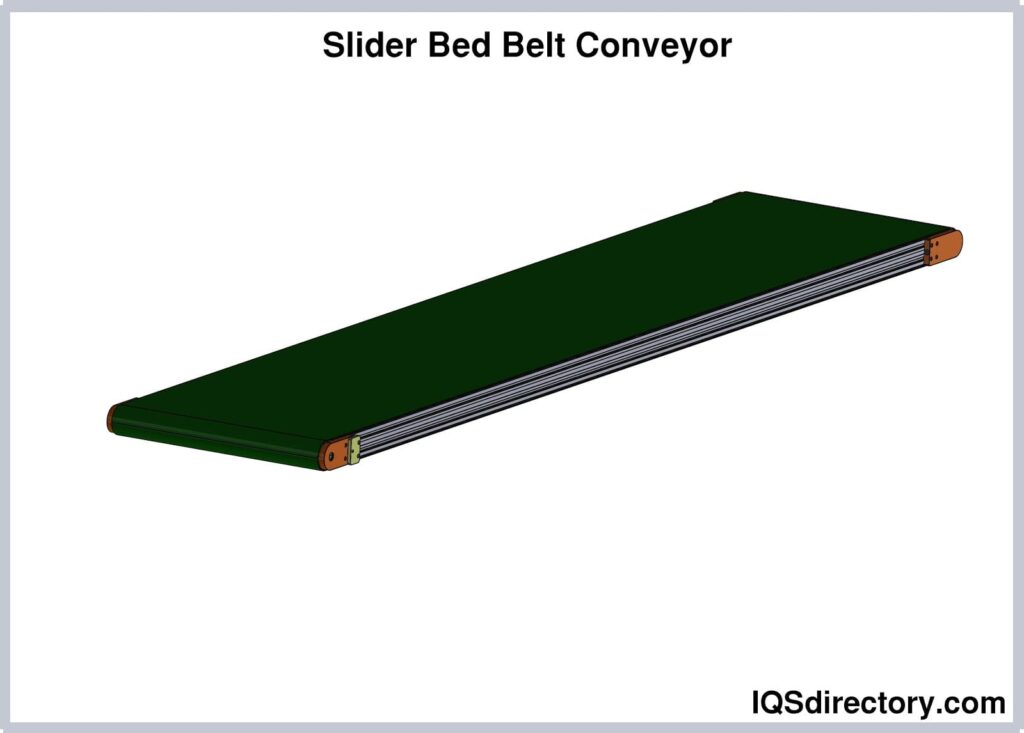
Carryback
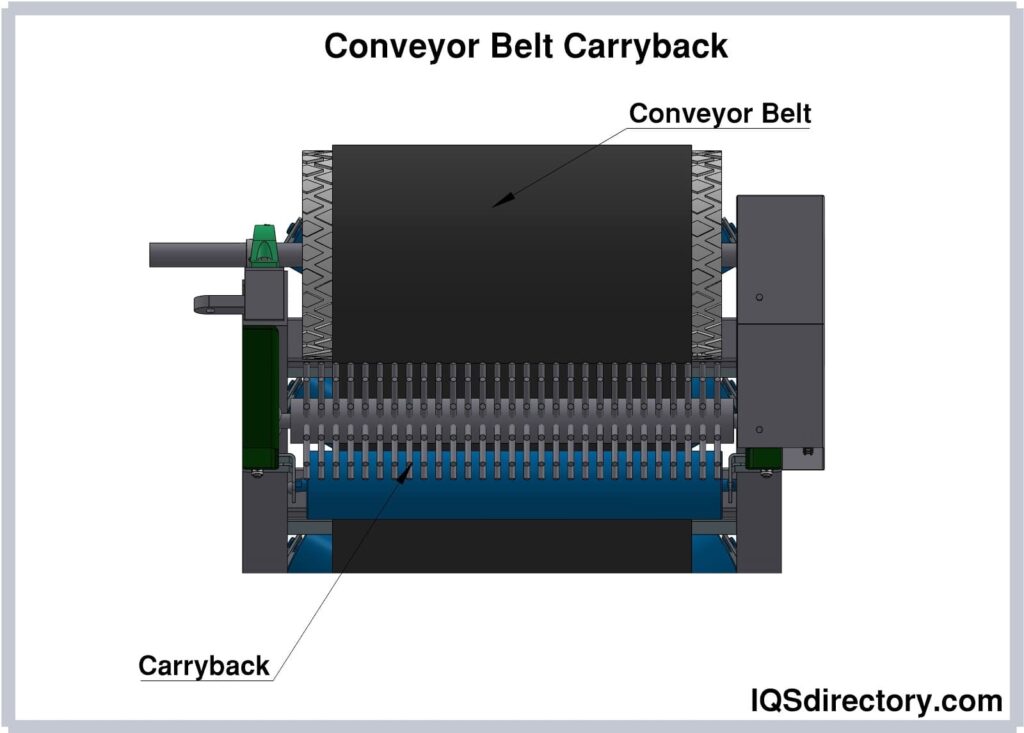
Carryback is material that sticks to the belt past the discharge point and drops off somewhere it should not. It is most common with damp, fine or sticky product. What lands underneath the conveyor then contaminates the return run, packs around rollers and idlers, and becomes a housekeeping and hygiene problem as well as a mechanical one.
Belt scrapers at the discharge pulley are the usual answer, and they need checking and adjusting as they wear rather than fitting and forgetting.
Spillage
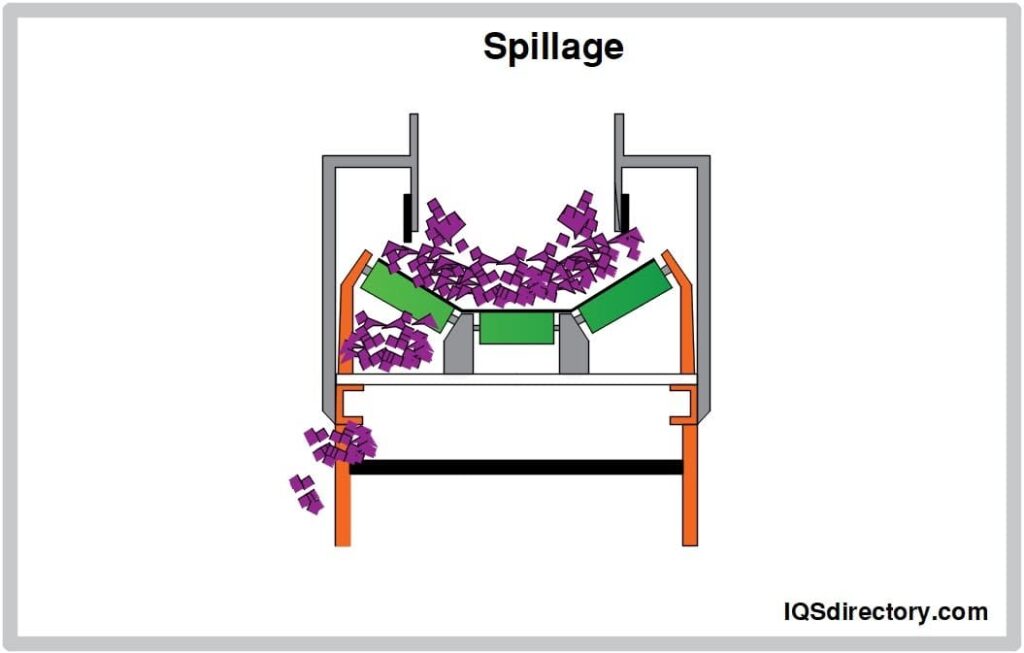
Spillage is product leaving the sides of the belt. Overloading is the obvious cause, but it is often a symptom of something upstream: a feed that surges rather than runs steadily, product loaded off centre, skirting that has worn away, or a transfer point that was never quite right.
Treating spillage as an operator problem usually misses the actual fault. If a line spills in the same place every day, the place is the problem.
Blockages and transfer points
Blockages on the line
A conveyor that stops because product has jammed is doing what it should. The concern is what caused the jam and what the stoppage does to everything either side of it. Blockages usually happen where product changes direction, changes level, or merges with another stream — the points where control over its position is weakest.
Clearing a blockage is also when people put hands into machines, which is why isolation matters as much as the fix itself. That is covered in our article on conveyor safety requirements.
Discharge and chute blockages
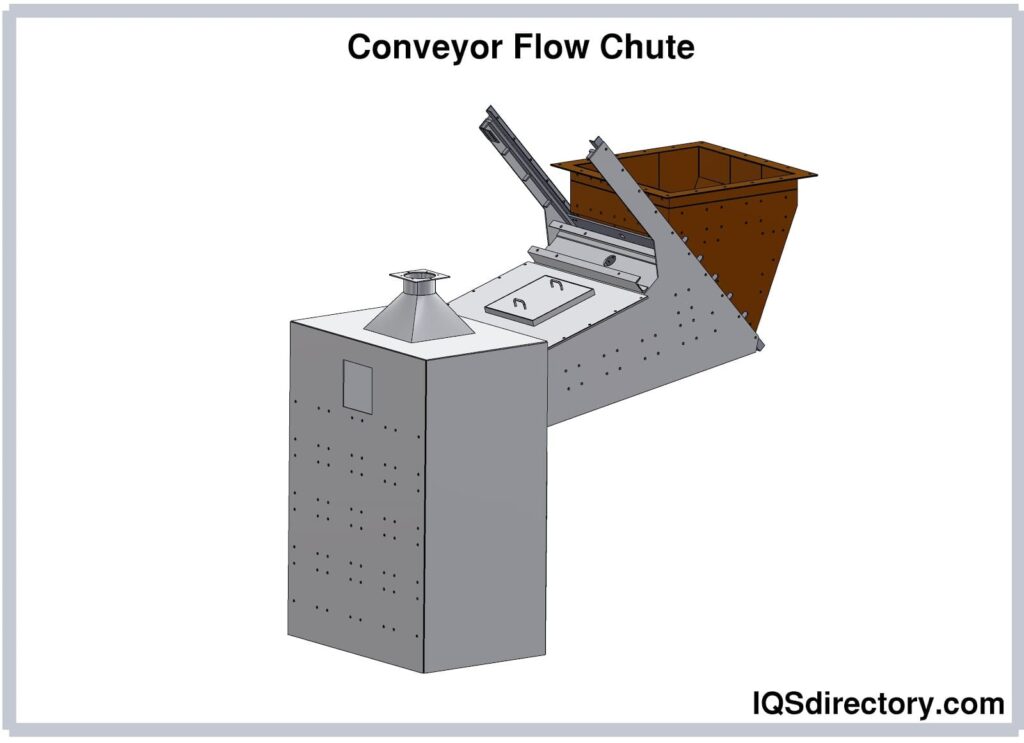
If material does not flow away cleanly at the discharge, it backs up onto the conveyor and the whole line stops. Chute geometry, the angle material has to turn through, moisture content and the condition of the chute lining all affect whether product keeps moving or bridges across the opening.
Faults on other conveyor types
Pneumatic conveying
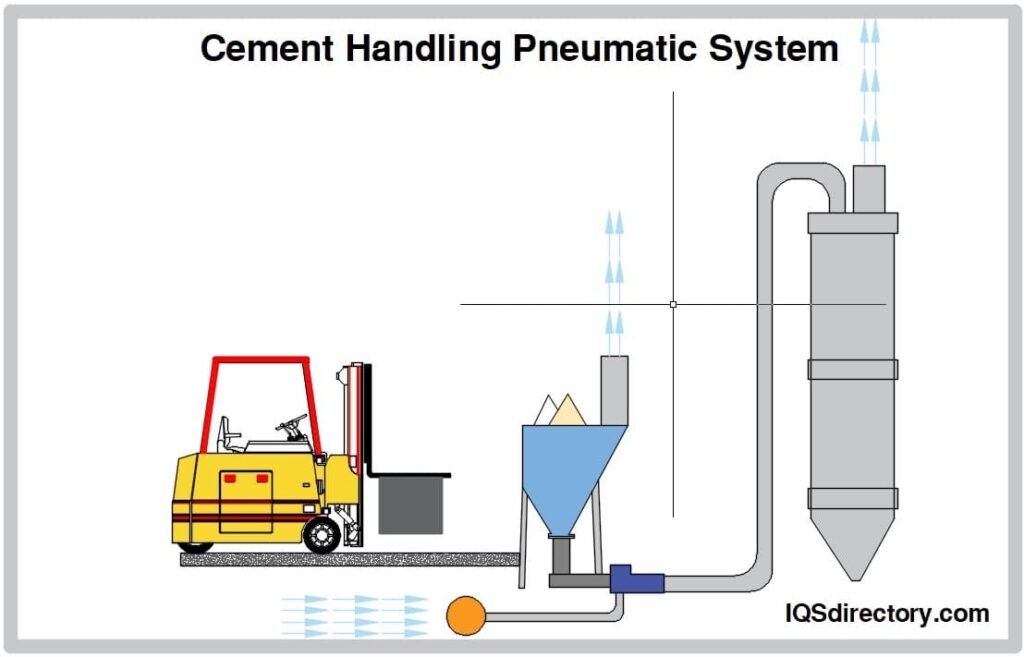
Pneumatic systems are reliable and will run for long periods without attention, but like any equipment they do fail, and the first warning is almost always a change in system pressure. A pressure reading that has drifted from normal points to a restriction, a leak or a feed problem somewhere in the loop.
On most pneumatic systems there are five places to look: the blower package, the conveying line, the bin vents, the filter, and the airlocks. Build-up inside the line is a common cause and narrows the bore until pressure rises and throughput falls.

Screw conveyors
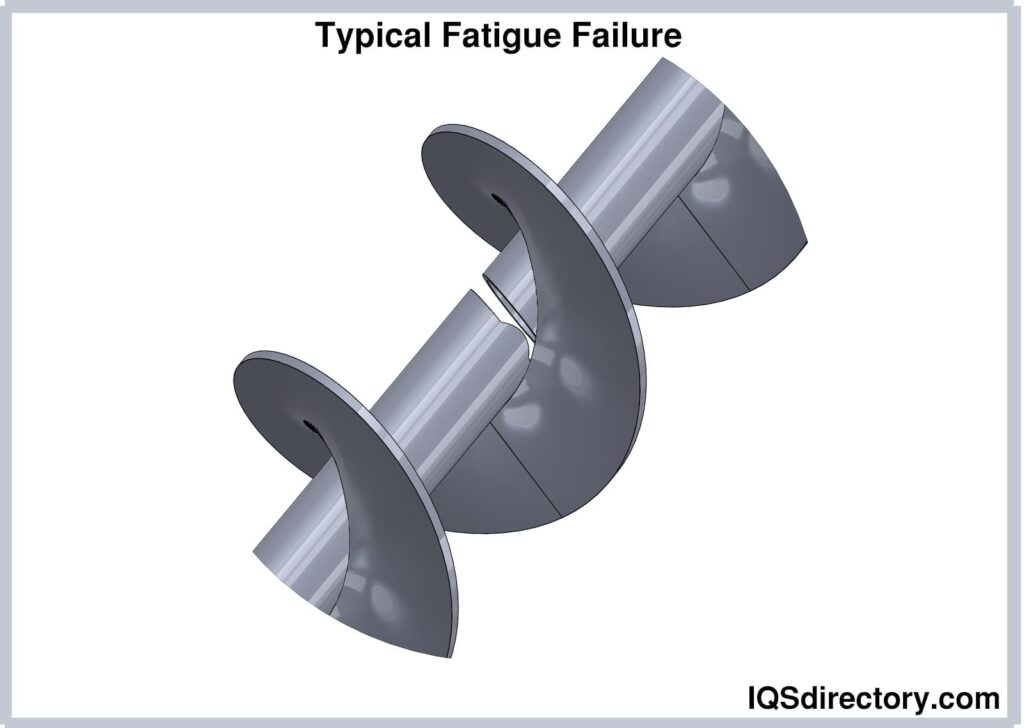
There is always a clearance between the screw flight and the trough or pipe wall. Material collects in that gap and hardens. Usually the turning screw breaks it up and carries it away, but where it consolidates instead, the screw has to work against it. That extra load puts strain on the shaft and, over time, produces fatigue at the centreline.
Maintaining a conveyor system
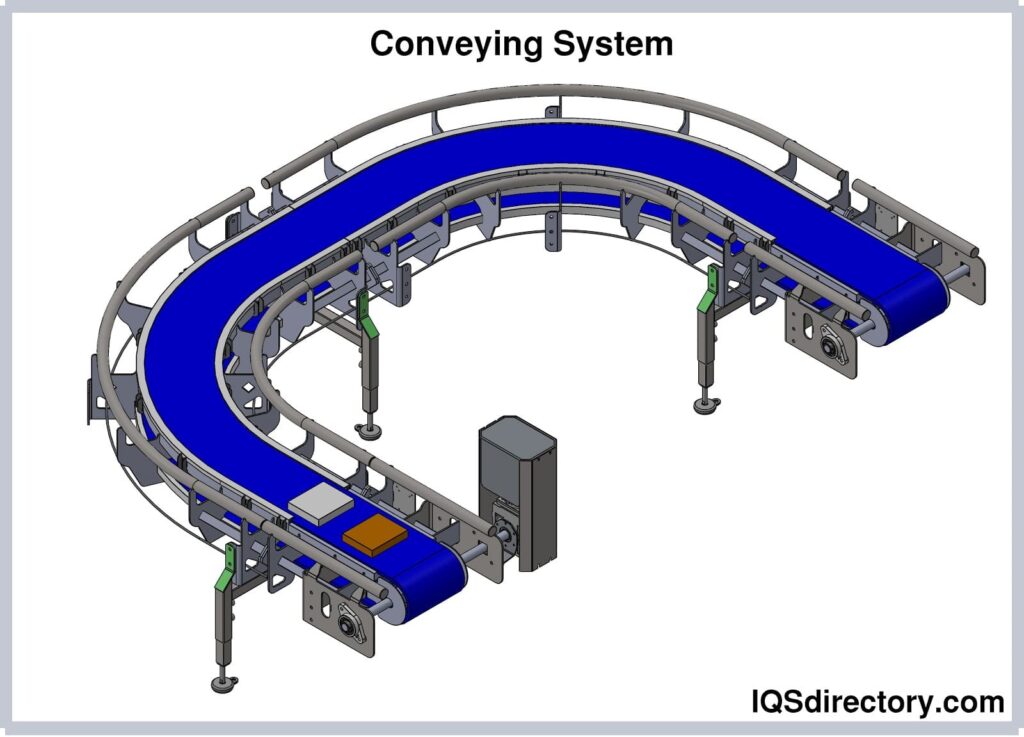
A conveyor looks like one machine but behaves like several. Frame, belt, rollers, drive, bearings, controls and guarding each fail in their own way, and a maintenance schedule works best when it treats them separately rather than as one item on a list.
Repair or replace
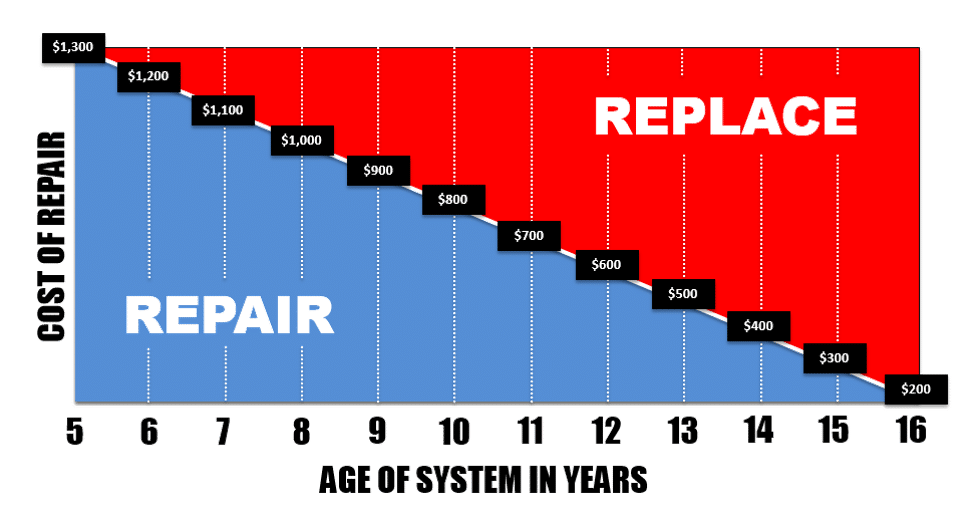
The decision is rarely just the price of the part. Downtime while the line is stopped, lead time on the component, and whether a specialist is needed to fit it usually outweigh the component cost. The same calculation is what makes planned maintenance cheaper than reactive maintenance: a roller changed during a shutdown costs a fraction of the same roller changed mid-shift.
Holding the parts that fail most often is part of that, which is why we supply spare parts and accessories for the systems we build.
Drive motors
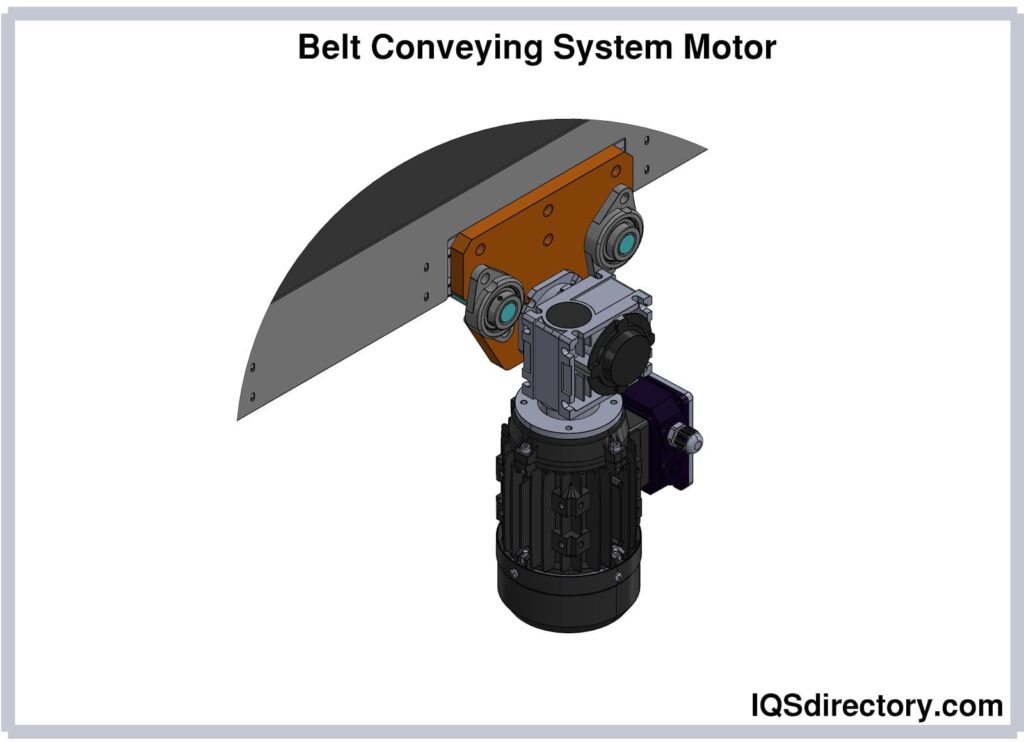
Most motor failures come back to bearings, and most bearing failures come back to lubrication — too little, too much, or the wrong type. Running temperature is the signal worth watching: a motor consistently hotter than its rating is telling you something before it fails. Where a motor is failing repeatedly, the question is usually whether it was correctly sized for the load in the first place, which is what motor sizing and selection addresses.
Pulley and roller bearings
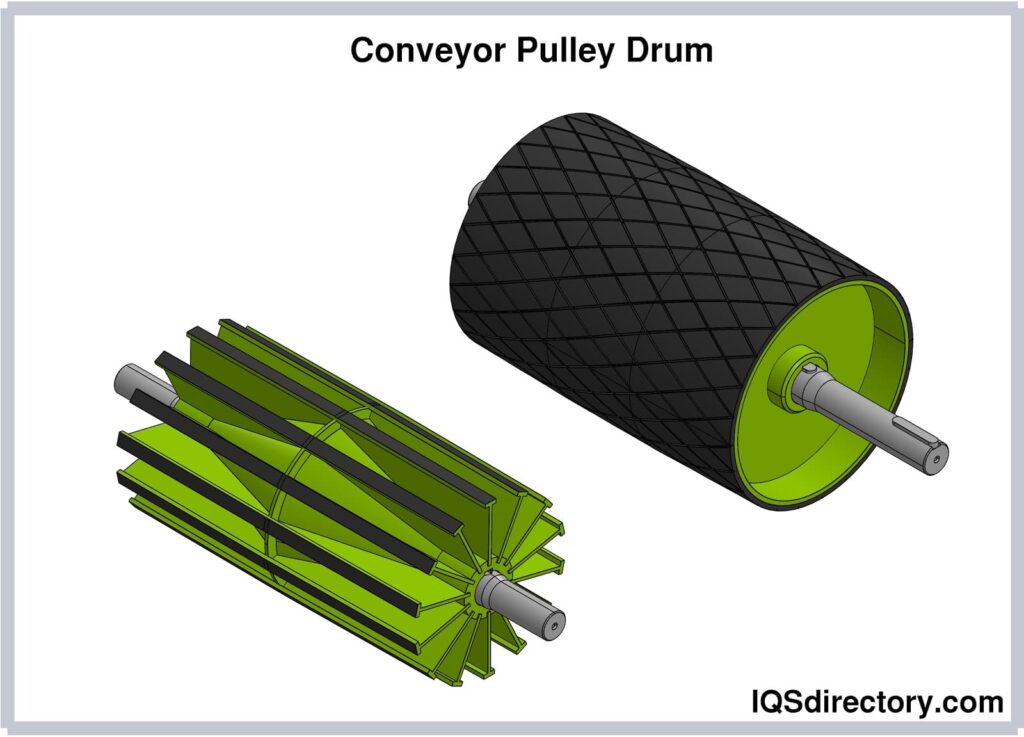
Conveyor pulley bearings are generally sealed and filled to keep water and contaminants out. Where they are maintained on a schedule matched to how hard the system runs, they last a long time. Where they are ignored until they are noisy, the bearing is rarely the only thing that needs replacing by then.
Cleaning
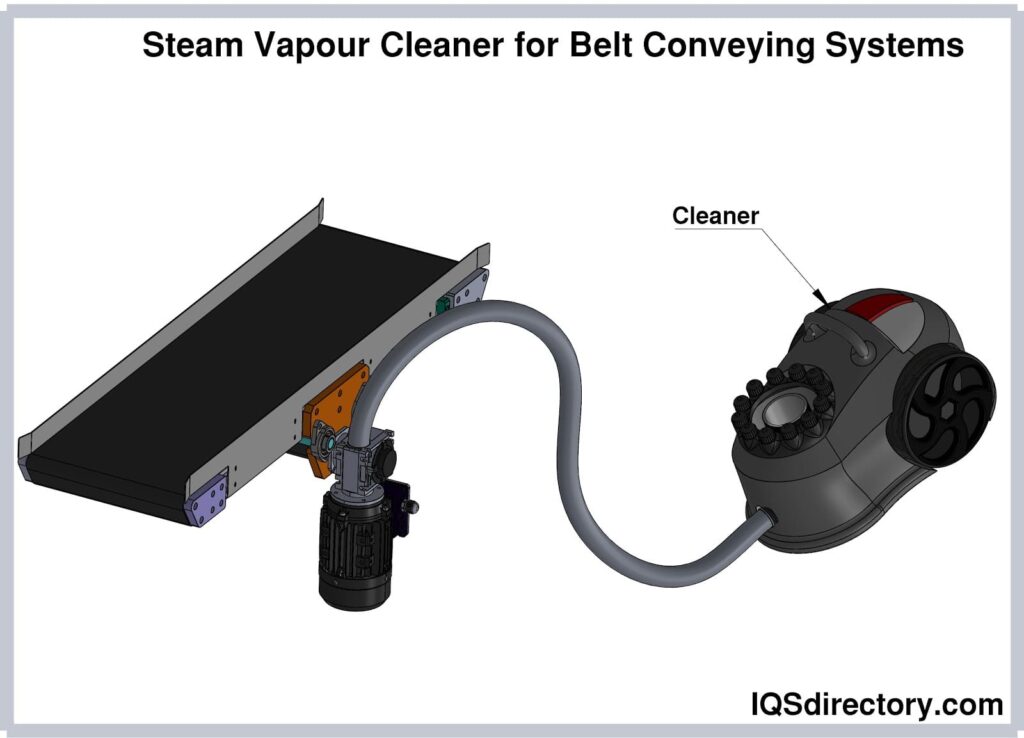
Belts, rollers, chains, slats and drive units all work better clean. It matters most where product carries a coating, a dressing or moisture that transfers onto the conveyor and then attacks it. On food and pharmaceutical lines cleaning is a hygiene requirement as well as a mechanical one, and the cleaning method itself has to suit the construction — wash-down rated equipment exists for exactly this reason.
Belt tracking checks
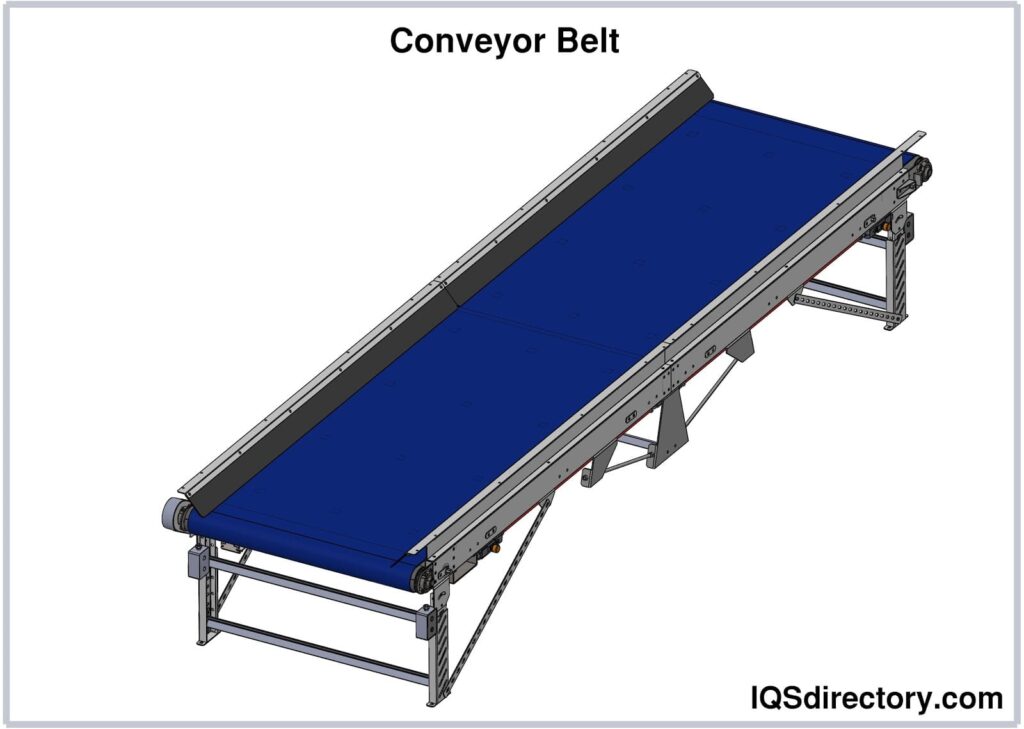
Tracking is worth checking every time a belt is run rather than at intervals, because a belt that has begun to drift will damage itself quickly. Poor tracking usually traces back to installation, the environment, or maintenance that has slipped rather than to the belt itself. When a belt does need replacing, belt replacement is straightforward if the underlying alignment problem is corrected at the same time.
Pneumatic pressure
Where a system has pneumatic components, pressure, flow control and regulator settings all form part of routine maintenance. Line pressure should sit at the system specification: running high does not make anything work better and shortens the life of the components downstream.
Earthing and stray voltage
Conveyors accumulate static and can carry stray voltage, which is a risk to the control system as well as to people. Proper earthing prevents it. Where a system is behaving unpredictably rather than failing outright, electrical faults of this kind are often behind it, and fault finding is the quickest route to the cause.
Common questions
Why does my conveyor belt keep running off to one side?
Almost always alignment, tension or loading rather than the belt itself. A frame out of square, a pulley not perpendicular to the direction of travel, uneven tension across the width, build-up on a pulley face, or product loaded off centre will all pull a belt off line. Fitting a new belt without finding the cause simply damages the new belt.
How often should a conveyor be inspected?
It depends on how hard it runs and what it carries, so the honest answer is that the schedule should follow the duty rather than the calendar. What is consistent is that tracking is worth a look every time the belt runs, and that anything carrying moisture, dust or a coating needs attention more often than a clean dry application.
What is carryback and why does it matter?
Material that sticks to the belt past the discharge point and falls off underneath. It packs around return rollers, contaminates the belt underside, and creates a cleaning problem beneath the conveyor. Scrapers deal with it, provided they are adjusted as they wear.
Is it cheaper to repair or replace a worn component?
The part is usually the smallest number in the calculation. Downtime, lead time and whether a specialist is needed to fit it generally decide it. That is also the argument for planned maintenance: the same component costs far less to change during a shutdown than mid-shift.
What causes a conveyor motor to fail?
Bearings, most often, and lubrication behind that. Running temperature above the motor’s rating is the warning sign. A motor that fails repeatedly is usually undersized for the load it is being asked to move rather than faulty.
Can these faults be designed out?
Many can be reduced. Transfer points, feed arrangement, belt choice, roller pitch and access for cleaning all get decided at design stage, and they are what determine how much maintenance a system needs later. That is part of what conveyor system design is for.
Keeping a system running
LVP Automation designs, builds and maintains conveying systems. Where a fault needs attention on site we provide on-site repair and maintenance, and we supply the spare parts and belting that keep a line running between visits.
We are based in Finglas, Dublin 11 and work with manufacturers across Ireland. If something on your line keeps failing and nobody has established why, get in touch.